Cheerful Laundry Room Colors That Make Wash Day Fun
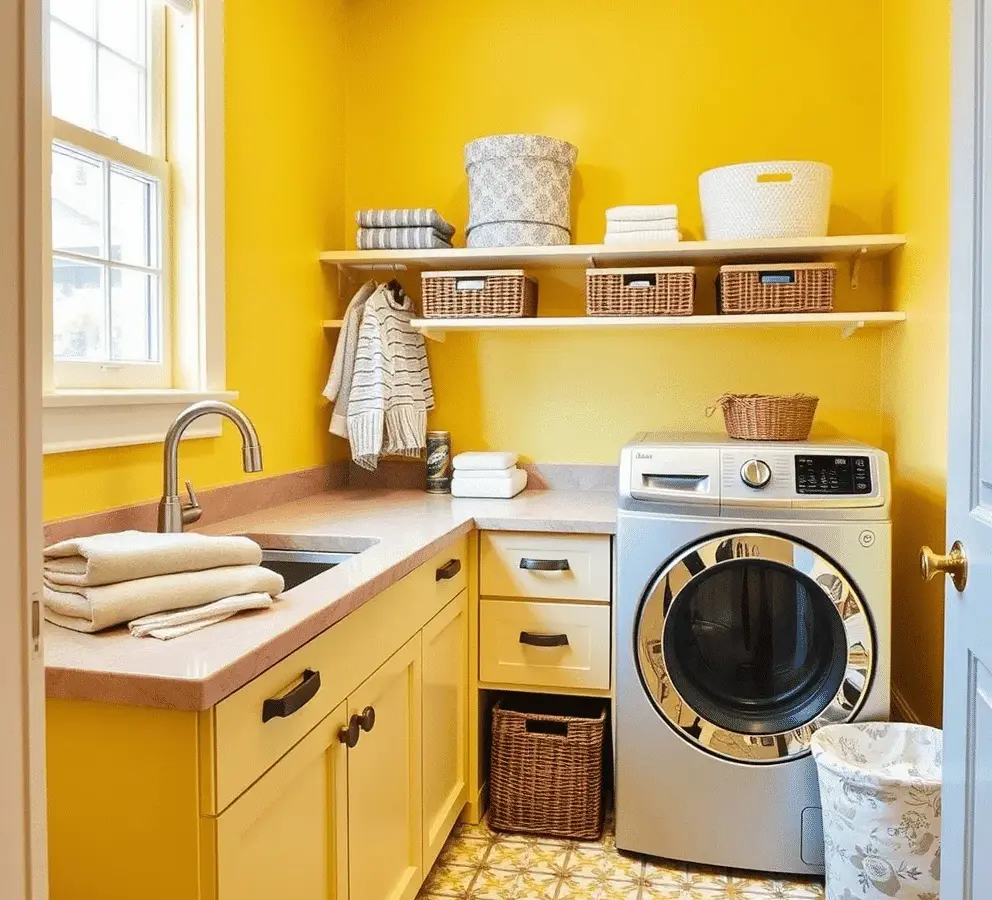
Painting a laundry room cheerful sounds simple until you're standing in a windowless 6×8 nook staring at fifty yellow swatches. The right color depends entirely on your space. A sunny yellow that sings in a bright mudroom turns to mustard in a basement with one dim bulb.
Get the conditions right first, and the color almost picks itself.
In our research across manufacturer color data and lighting specs, Light Reflectance Value (LRV) is the number most people ignore. LRV measures how much light a color bounces back, on a scale from 0 (black) to 100 (pure white). As of 2026, most cheerful laundry palette picks land between 60 and 85.
Below that, and a dark room swallows the color whole.
laundry room cheerful color
Laundry room cheerful color means choosing warm, light-bouncing shades like buttery yellow, soft peach, mint, or sky blue. Pick based on your light, not the swatch alone. Aim for an LRV between 60 and 85.
Warm tones lift mood. High-LRV colors make small rooms feel brighter and bigger.
The Real Problem With Most Laundry Room Colors
Most people pick a cheerful color from a screen, not from their actual room. That's the whole problem. A paint chip looks one way under store lights and completely different under the two warm bulbs in your basement laundry.
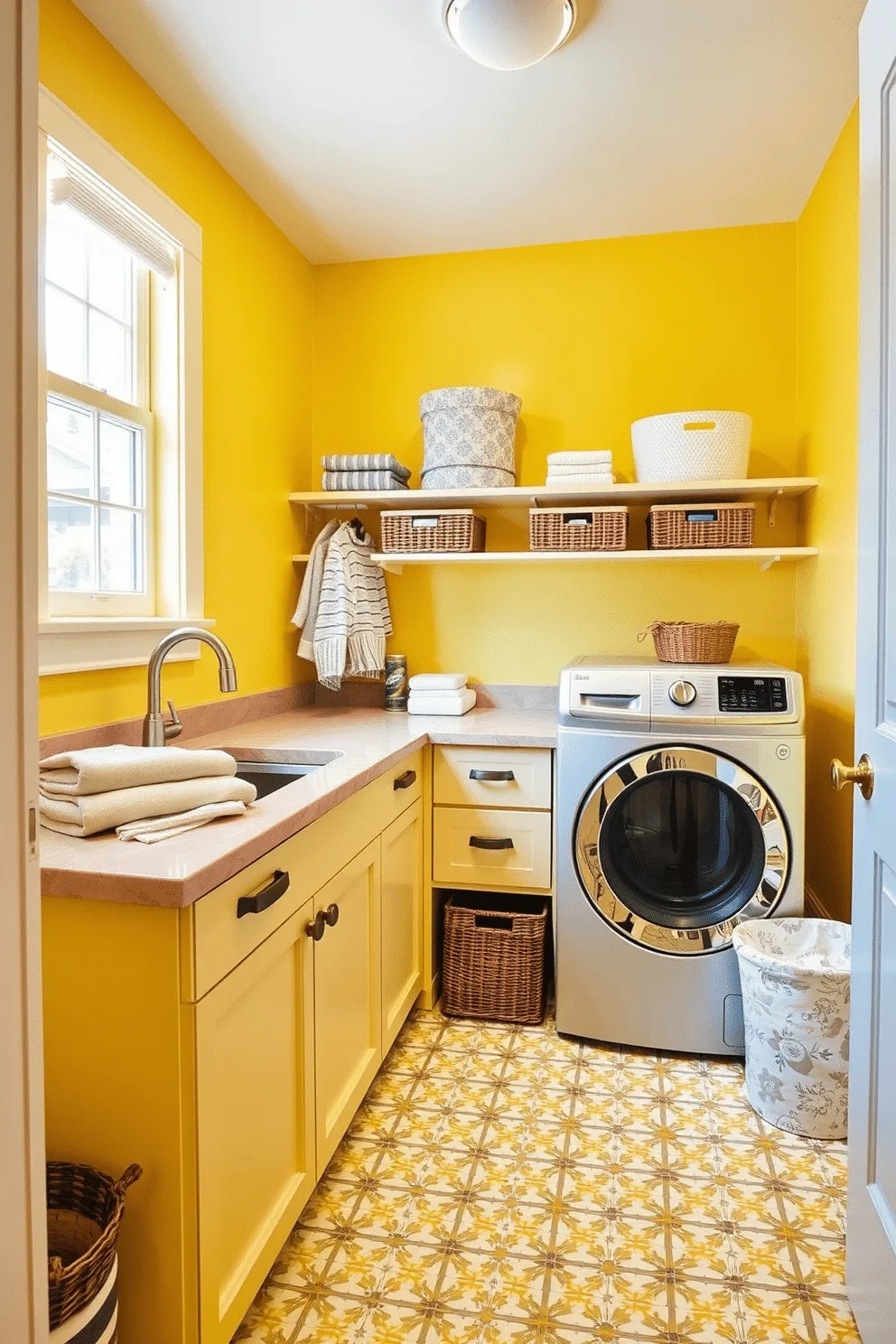
Image source: Bing (Web (fair-use with source credit))
Laundry rooms are also the most ignored space in the house. They're small, they're often windowless, and they get slapped with leftover paint from other projects. But a laundry room is where you spend real time every week.
If it feels like a punishment cell, chores drag. If it feels cheerful, the whole task gets lighter.
Here's the trap. Cheerful colors are usually warm, and warm colors are usually light. In a dim room with low LRV flooring and dark appliances, that warmth goes muddy.
Manufacturer specifications indicate that the same butter-yellow paint can read creamy in one room and sickly in another, depending purely on the light bouncing off surrounding surfaces.
So before you buy a single sample pot, you need to know four things about your specific space. Light. Size.
What's already there. And whether you're allowed to paint at all. Those four conditions drive every color decision that follows.
If that sounds like more work than picking a color, it is. It's also the difference between a room you love and a repaint in six months. Let's walk through each condition.
The Four Conditions That Decide Your Color
Every color choice comes down to four variables. Change one, and the right answer changes. This is why "best cheerful laundry room colors" lists fail.
There's no best. There's only best for your room.
How Much Natural Light You Actually Get
Count the windows first. Natural light changes everything about how a color reads.
If you get strong daylight most of the day, you can go bolder. Saturated coral, seafoam, or sunflower yellow hold their punch in bright rooms. In our research on color rendering, daylight around 5000K keeps blues and greens true while warm tones stay warm.
If you get one small window or none at all, you're working with artificial light only. That's the harder game. Cool fluorescent bulbs around 4100K pull yellow toward green.
Warm white bulbs around 2700K make everything look slightly orange.
The fix is simple. Match your color to your bulbs, or change the bulbs. Then push your LRV up to 70 or higher so the room fights back against the gloom.
How Small or Cramped the Room Really Is
Small rooms need light colors for one reason: reflection. A light wall bounces light around a tight space and makes it feel bigger. A dark wall absorbs it and shrinks the room fast.
Most US laundry rooms run between 35 and 100 square feet. If you're at the bottom of that range, think high LRV, low saturation. Soft mint, pale butter, blush pink.
Skip anything deep.
What's Already in the Room (Cabinets, Floors, Appliances)
Your walls don't exist in a vacuum. Cabinets, floors, and appliance finishes all throw color back at them.
If you have warm wood cabinets or beige tile, cool colors like mint and aqua create nice contrast. If your floors are cool gray vinyl plank, warm peach or coral balances them out.
Undertones are the quiet dealbreaker. A green-tinged yellow next to cool gray cabinets looks dirty. Test the wall color against the actual surfaces, not in your head.
Who Owns the Walls, You or a Landlord
Renters, this one's for you. You can't always paint, and repainting at move-out costs money.
If your lease allows paint, check whether you must return the walls to original. If it bans paint outright, peel-and-stick wallpaper and removable decals are the move. A pastel peel-and-stick panel behind the machines gives you the cheerful hit without losing your deposit.
Note the limits too. Even if you own the place, some HOAs restrict bold colors on exterior-visible walls. Inside laundry rooms are rarely an issue, but check before you commit.
Your Decision Branches: Match the Color to Your Situation
Now we put the four conditions to work. Find your room below, follow the branch, and you'll land on a color family that actually fits.
Windowless or Basement Laundry Rooms
Windowless rooms play by their own rules. Light comes from one overhead fixture, often a single cool bulb.
If your room is windowless, then high LRV wins. Choose buttery yellow, warm cream, soft peach, or pale aqua, all at LRV 70 or above. These bounce the little light you have and make the space feel open.
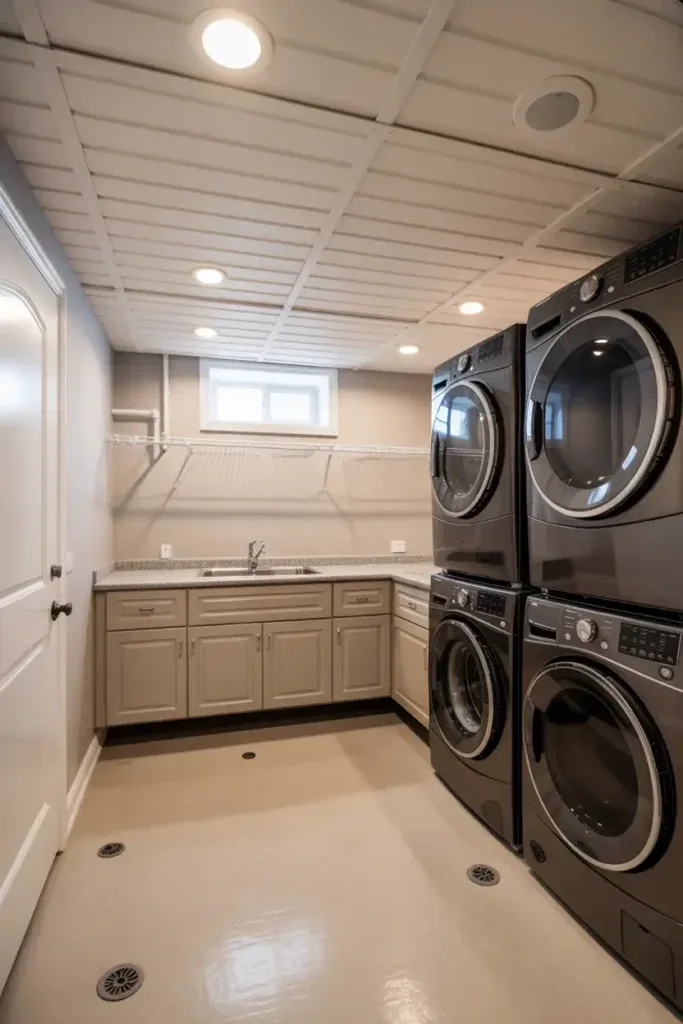
Image source: Bing (Web (fair-use with source credit))
Avoid deep teal, charcoal, navy, and saturated olive. They soak up light and make a cave feel like a cave. If you want a darker tone, use it as a tiny accent, not the main wall.
Pair the paint with a bulb swap. Move from cool 4100K to warm 2700K or neutral 3500K. That one change does as much for the mood as the paint does.
Small Laundry Closets and Nooks
Closets and nooks are the tightest branch. Under 40 square feet, you're designing for reflection alone.
If the space is tiny, then go light and low-saturation. Sky blue, soft mint, and blush pink keep things airy and bright. These colors also photograph well, which matters if you ever sell or rent the place.
Skip jewel tones here. A rich emerald might be cheerful in a big room, but in a closet it feels heavy and closed-in. Save the drama for a bigger space.
Bright Mudroom-Laundry Combos
Got real windows and decent square footage? You've won the color lottery. This branch lets you play.
If you have strong daylight and space, then go bolder. Coral, seafoam, sunflower yellow, and peach all hold up beautifully in bright rooms. Saturation reads as energetic here instead of overwhelming.
This is also the branch where an accent wall works well. Paint three walls a soft neutral and one wall a cheerful color. You get personality without drowning the room.
Rental-Friendly Cheerful Options
Renting means working around the paint rule. Your branch is about removable cheer.
If you can't paint, then use peel-and-stick wallpaper, removable decals, or a colorful tension rod and bins. A pastel peel-and-stick panel, a bright laundry hamper, and a pop of color on the shelving give you the mood shift without touching the walls.
If your lease allows paint but requires restoration, choose the cheapest-to-fix option. A light pastel over white primer is far easier to paint back than a saturated color that needs three coats to cover.
The 2-3 Color Palette That Ties It Together
One color rarely carries a room. Cheerful rooms use a small palette.
Aim for three layers: a base wall color, a trim and ceiling color, and one accent. The base is your cheerful tone, usually the lightest. Trim and ceiling stay white or near-white to frame it.
The accent, in accessories or one wall, adds the spark.
For example, a windowless basement might run soft butter walls, white trim, and peach accents. A bright mudroom might pair coral walls, white trim, and seafoam accents. Keep the base and accent in the same warm or cool family so nothing fights.
Sample, Test, and Paint: The Workflow That Prevents Regret
You've picked a branch and a palette. Now you test before you commit. This step is where most people skip the work and regret it later.
Buying Samples and Reading LRV
Buy sample pots, not gallons. Most brands sell 8-ounce samples that cover about a 2×2 foot area. That's enough to test properly.
Check the LRV on each color before you buy. It's printed on the label or listed on the manufacturer's site. For a laundry room, aim for 60 to 85.
Lower than 60 gets heavy in small or dark spaces.
Painting over a previous bold color? Use a tinted primer matched to your new shade. A gray-tinted primer under cool colors and a warm-tinted primer under yellows saves you a coat.
Testing Swatches Morning, Midday, and Night
Paint your samples directly on the wall, not on poster board. Wall paint picks up the room's real light, and the surrounding surfaces affect how you see it.
Watch each swatch at three times: morning, midday, and evening with the lights on. A color that reads cheerful at noon can look flat and gray at night. You want one that holds up in all three.
Leave the swatches up for a few days. Colors grow on you, and they also wear on you. Three days is usually enough to know.
Picking the Right Sheen for Humidity
Laundry rooms get humid. Washer and dryer cycles can push indoor humidity toward 40 to 60 percent. That matters for your paint finish.
Eggshell and satin are the sweet spot. They resist moisture and wipe clean without looking glossy. Flat paint looks nice but soaks up humidity and shows every splash.
Semi-gloss wipes best but magnifies wall flaws, so save it for trim.
If the room is below grade or prone to damp, look for mold- and mildew-resistant additives. Many brands offer them in the same color line.
Prep, Prime, and Paint Order
Good paint jobs are 70 percent prep. Skip it and the finish fails, especially in a humid room.
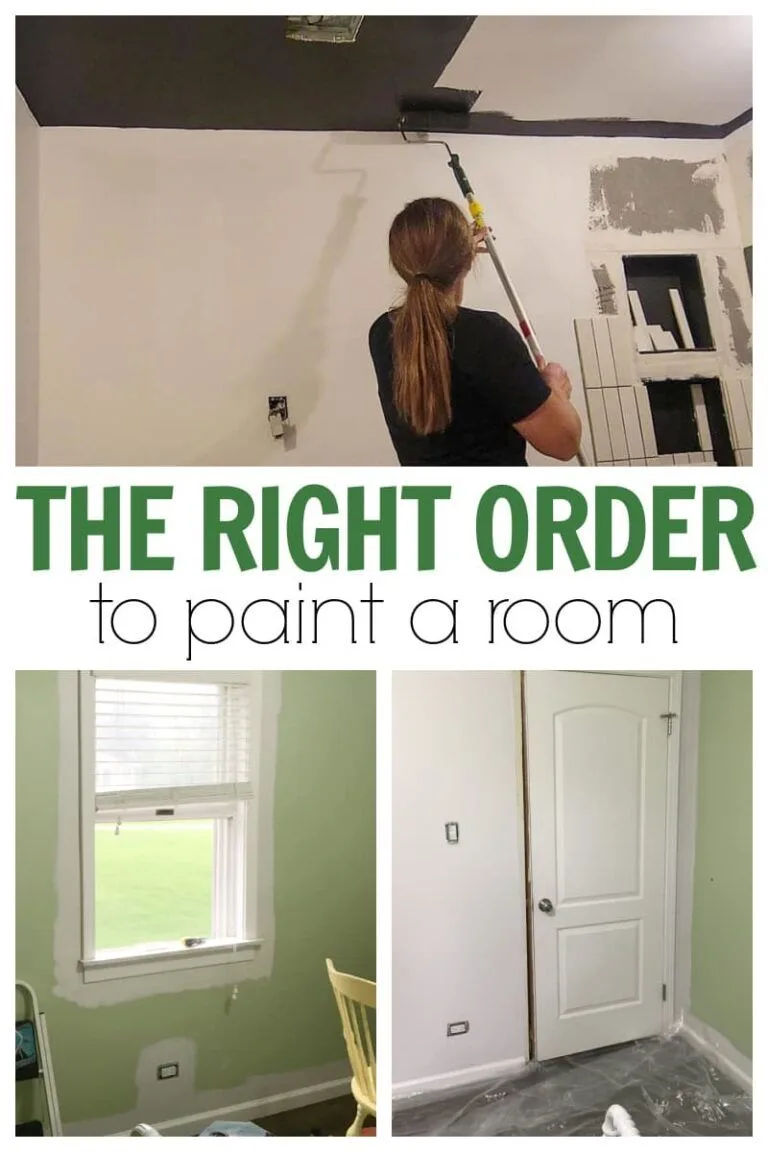
Image source: Bing (Web (fair-use with source credit))
Here's the order that works:
- Clear the room and cover floors and appliances.
- Clean walls with a degreaser. Laundry rooms collect lint, dust, and detergent film.
- Patch nail holes and cracks, then sand smooth.
- Degloss any glossy surfaces so paint sticks.
- Prime with a tinted primer matched to your color family.
- Paint the ceiling first, then trim, then walls.
- Cut in edges with a brush, roll the field, and apply two coats.
Let each coat dry per the label, usually 2 to 4 hours for latex. Full cure takes 7 to 30 days, so avoid scrubbing the walls for the first week. Reinstall appliances only after the paint is fully dry to the touch.
Ventilation matters too. Open a window and run a fan while you paint. Low-VOC and zero-VOC paints are worth the upgrade in a small, closed laundry room.
The EPA Safer Choice program lists certified low-emission options if you want a verified pick.
Mistakes That Turn Cheerful Into Regretful
The biggest mistake is picking a color from a screen instead of your actual wall. Screens distort hue. A butter yellow on a phone can show up green on your wall.
Always trust a physical swatch over a digital one.
Mustard yellow under cool fluorescent light is the classic failure. If your laundry room runs a cool 4100K bulb, that sunny yellow turns dull and brownish. Swap to a warm 2700K bulb or pick a warmer-leaning yellow to fix it.
Washed-out pastels in dark rooms come next. A pale mint with an LRV under 60 disappears in a windowless space. Push the LRV higher or add a second light source before you paint.
Clashing undertones ruin more palettes than bad color choices. A green-tinged yellow beside cool gray cabinets looks dirty. Always test against the real surfaces, not in your head.
Finally, skipping prep in a damp room. Laundry rooms hit 40 to 60 percent humidity during cycles. Paint over a glossy or dusty wall and it peels within months.
Clean, degloss, and prime first.
Quick Reference: Which Cheerful Color for Which Room
This table condenses everything into one scan. Find your situation on the left, and the color family on the right. If you're between two rows, favor the one that matches your light level, not your room size.
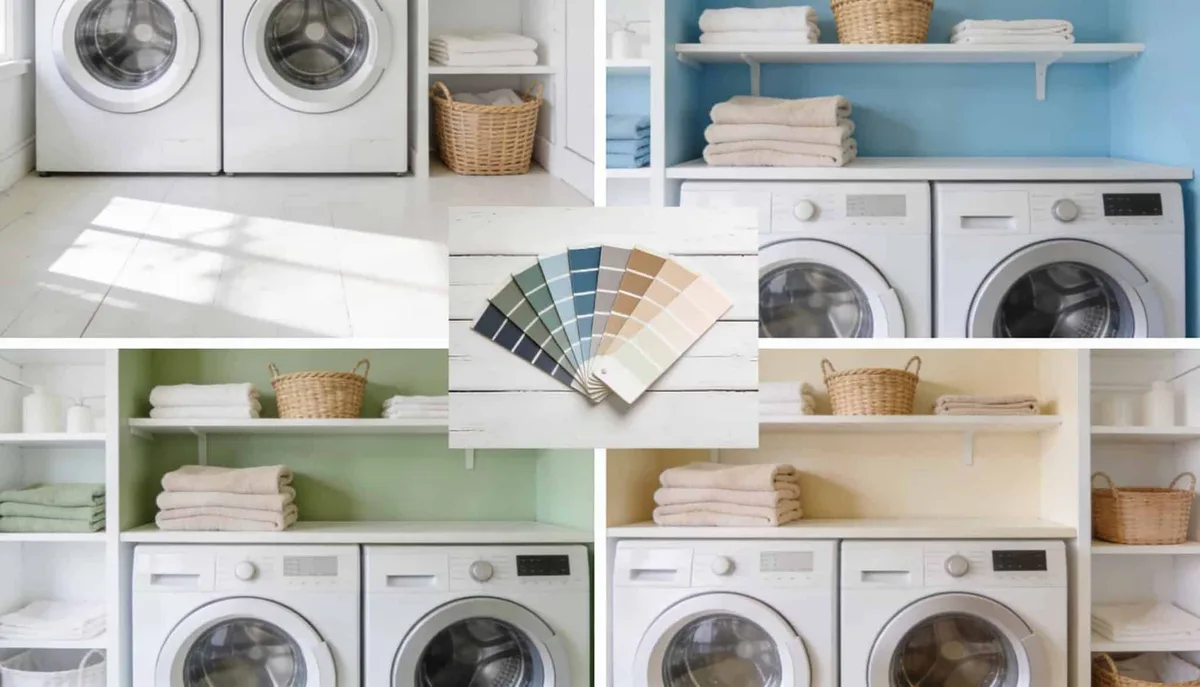
Image source: Bing (Web (fair-use with source credit))
| Your Situation | Best Cheerful Colors | Colors to Avoid |
|---|---|---|
| Windowless basement | Buttery yellow, warm cream, soft peach | Deep teal, charcoal, saturated navy |
| Tiny laundry closet | Sky blue, mint, blush pink | Dark jewel tones, muddy greens |
| Bright mudroom-laundry | Coral, seafoam, sunflower yellow | Washed-out whites, pale grays |
| Rental (removable) | Peel-and-stick pastel wallpaper, accent decals | Anything requiring permanent paint |
| Warm-flooring room | Cool mint, aqua, soft sage | Yellow, orange, warm reds |
| Cool-flooring room | Warm peach, coral, butter yellow | Cool blues, grays, icy greens |
One rule applies to every row. Keep the base wall color in the same warm or cool family as your accent. Mixed temperatures cancel each other out and the cheer goes flat.
Costs, Paint Specs, and What to Expect
Budget for paint first. As of 2026, a gallon of quality interior paint runs $25 to $90 depending on brand tier. A typical 100-square-foot laundry room needs about 1.5 gallons for two coats, so you're looking at roughly $60 to $150 in paint.
Samples cost $5 to $12 each. Buy three or four, and the total stays under $50. That's money well spent versus repainting a whole room.
If you hire a pro, expect $1 to $3 per square foot for labor and materials. A small laundry room usually lands between $200 and $600 total. DIY saves the labor but costs you a full weekend.
Here's the spec sheet that matters most:
| Spec | Value |
|---|---|
| Recommended LRV | 60 to 85 |
| Recoat window (latex) | 2 to 4 hours |
| Full cure time | 7 to 30 days |
| Coverage per gallon | 350 to 400 sq ft |
| Sample pot size | 8 oz |
| Ideal sheen | Eggshell or satin |
Keep cure time in mind before you reinstall appliances or scrub walls. Most paint feels dry in hours but isn't fully hard for a week or more.
Frequently Asked Questions
What is the most cheerful color for a laundry room?
Buttery yellow tops the list for most rooms. It reads warm and sunny, and it holds up well in both bright and dim spaces. Soft peach and sky blue are strong runners-up.
The best pick always depends on your light and existing finishes.
What color makes a dark laundry room look brighter?
Go with a high-LRV color at 75 or above. Warm cream, pale butter, and soft aqua bounce the most light. Pair the paint with a warm 2700K or neutral 3500K bulb.
Skip deep or saturated tones, which absorb light and shrink the room.
Is yellow a good laundry room color?
Yes, if you match it to your bulbs. Warm yellows work great under warm white light. Green-tinged yellows turn muddy under cool fluorescent bulbs.
Test a sample in your room at night with the lights on before you commit to a full gallon.
Should I paint my laundry room white instead?
White is safe but rarely cheerful on its own. A warm white is a better base than a stark white. Layer in a cheerful accent on one wall, the trim, or the cabinets.
That gives you the brightness of white without the sterile feel.
Can I use bold colors in a small laundry room?
You can, but keep the bold tone to an accent wall. Full-room saturated color overwhelms a small space. Paint three walls a light cheerful shade and one wall a bolder version.
That delivers personality without closing the room in.
What sheen should I use in a humid laundry room?
Eggshell or satin is the sweet spot. Both resist moisture and wipe clean without a glossy look. Flat paint soaks up humidity and shows every splash.
Semi-gloss wipes best but highlights wall flaws, so reserve it for trim.
Final Decision Guide: Picking Your Cheerful Color in Five Minutes
Here's the whole process compressed into five steps. Run through them in order, and you'll have your color before the paint aisle gets busy.
- Check your light. Strong daylight means bolder colors are fair game. Dim or windowless means high LRV, low saturation.
- Check your size. Under 40 square feet, stay light and airy. Larger rooms can take more saturation.
- Check what's staying. Match warm or cool undertones to your floor and cabinets.
- Check your rules. Renters, stick with peel-and-stick or light pastels that restore easily.
- Sample and test. Buy two or three pots, paint the wall, and watch the swatches morning, midday, and night.
If you only remember one thing, remember the light rule. Every color decision bends to how much light that room gets. The same cheerful yellow that feels sunny in a bright mudroom reads flat in a basement.
Match the color to the light, and everything else falls into place.
One last tip. Cheerful doesn't have to come from the walls alone. A bright laundry hamper, colorful bins on open shelving, or a striped peel-and-stick backsplash can carry the mood without a repaint.
Paint is the big lever, but it's not the only one. Pick your color, prep the room properly, and give it the two coats it deserves. A laundry room that feels good to walk into makes a chore you dread into one you barely notice.