Bedroom Feature Wall Textiles: Ideas & Inspiration
Choosing bedroom feature wall textiles is one of those decisions that feels simple until you're standing in a fabric shop with forty swatches and no clue which one belongs on your wall. Photos lie. Screens lie.
A swatch that looked warm and moody online can end up cold and flat the moment it's hung.
That's why the swatch stage matters more than the buying stage. Per Color Affects, an interior design and colour consultancy, colour perception shifts significantly based on lighting temperature and surface finish. Manufacturer specifications also indicate that pile direction on velvets and mohair can change apparent tone by up to two shades under the same lamp.
So how do you actually narrow it down?
bedroom feature wall textiles
Bedroom feature wall textiles are soft wallcoverings used to create a focal wall behind a bed. They include upholstered panels, fabric wallcoverings, tapestries, and drapery-style hangings. They add warmth, texture, and acoustic dampening.
Unlike paint or wallpaper, they change dramatically under different light.
Why Fabric Walls Read Differently on the Screen Than in the Room
A fabric wall never looks the same twice in a day. Morning light hits it one way, your bedside lamp hits it another, and by evening it can read completely differently again. This is why ordering swatches isn't optional, it's the whole decision.
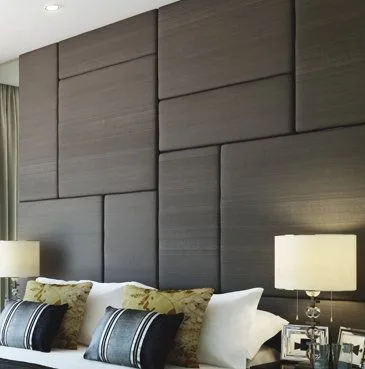
Image source: Bing (Web (fair-use with source credit))
The nap problem
Velvet, mohair, and chenille have a pile direction. Brush the pile one way and it looks light. Brush it the other way and it looks dark.
Installers working with these fabrics need to keep pile direction consistent across every panel, or you'll see visible bands under certain angles of light.
Metamerism, explained in one line
Metamerism is when two fabrics match under one light source but not another. Per Color Affects' lighting research, daylight, halogen, and LED sources each pull different wavelengths out of the same dye lot. That's why a swatch that looked perfect in the shop turns green under your bedroom lamps.
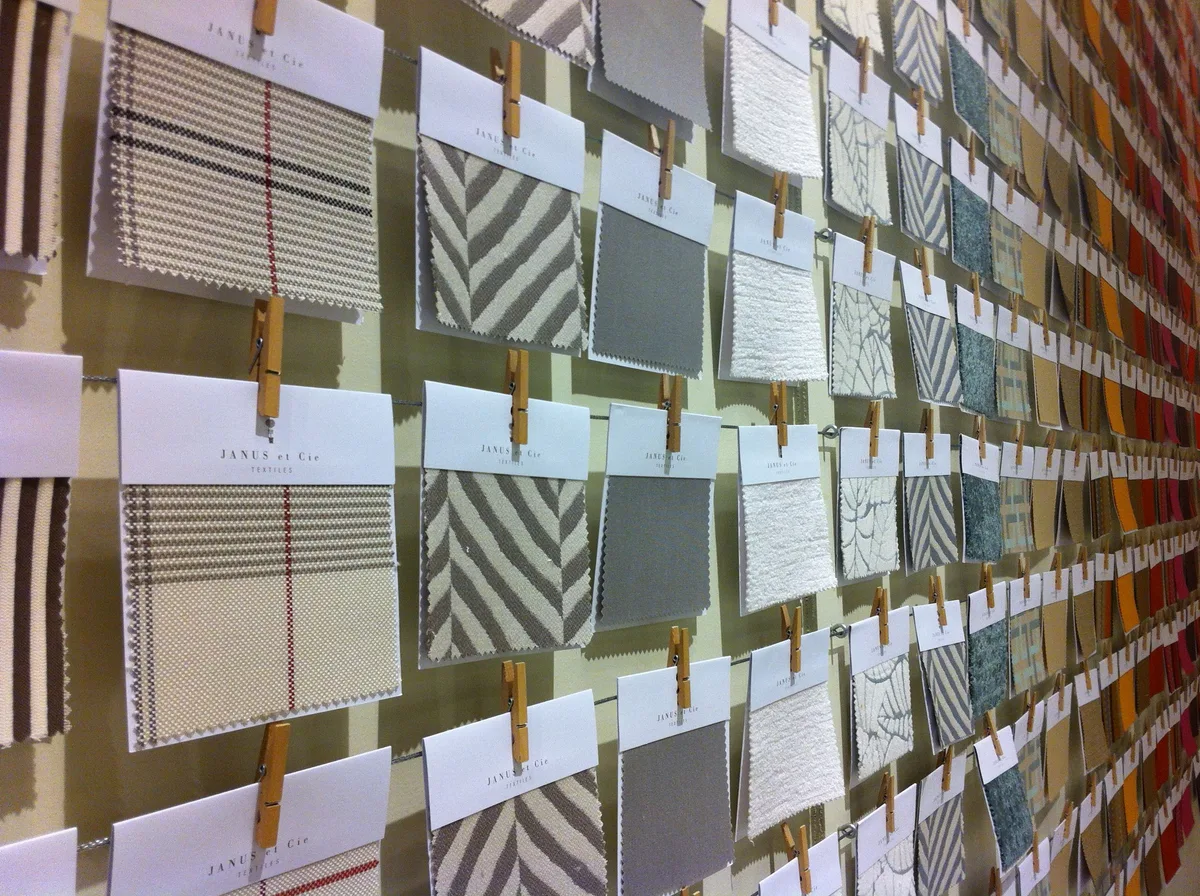
Image source: Bing (Web (fair-use with source credit))
What photos can't show
Flat-lay photos hide drape. They hide sheen. They hide how a bouclé's loops catch light from the side while looking matte from the front.
If you want to sense-check a textile wallcovering, look for reviews with real rooms, side-lit photos, and no flash.
The Main Textile Options for a Bedroom Feature Wall
There are four realistic routes, and each one suits a different room, budget, and skill level. Knowing which route fits you before you shop saves months of second-guessing.
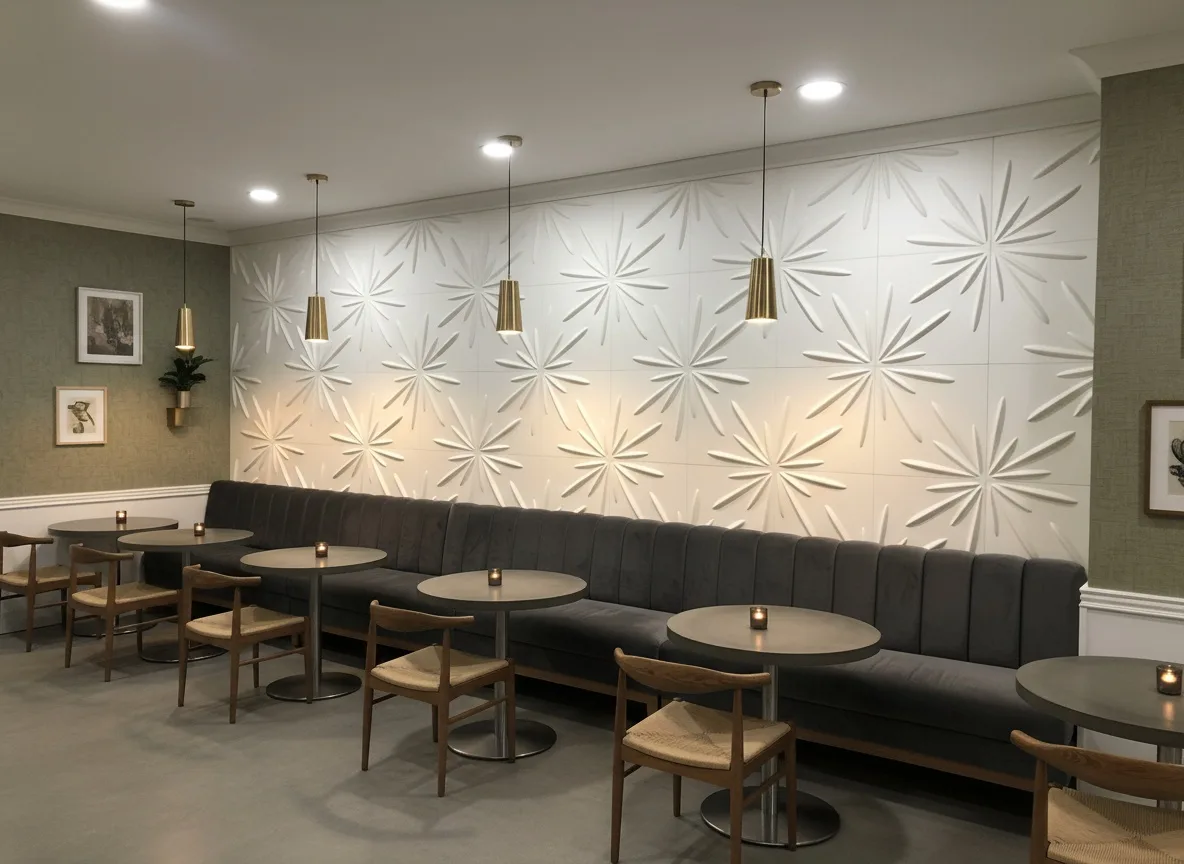
Image source: Bing (Web (fair-use with source credit))
Upholstered headboard walls and full-wall upholstery
If you want hotel-style polish, this is the route. It's usually built on a batten frame with foam padding and fabric stretched over the top. Best for people who can hire a fitter.
Not a weekend DIY project.
Fabric wall panels and modular padded tiles
These come pre-made in set widths, usually sold in packs. If you rent, or you're not sure you'll love it in three years, choose modular. They fix with adhesive strips or Velcro battens and lift off without wrecking the wall.
Textile wallcoverings, grasscloth, and peel-and-stick fabrics
If you want full-wall coverage with a flatter finish, textile wallcovering is the way. Grasscloth adds natural texture. Peel-and-stick fabric is the renter's favourite, though adhesion drops on textured or freshly painted walls.
A quick breakdown of how the main options compare:
| Option | Best for | Reversible | Typical install time |
|---|---|---|---|
| Upholstered wall | Statement bedrooms | No | 1 to 3 days (fitter) |
| Modular panels | Renters, DIY | Yes | 2 to 4 hours |
| Textile wallcovering | Full-wall coverage | No | 4 to 8 hours |
| Tapestry / hanging | Instant refresh | Yes | 30 minutes |
Tapestries, hangings, and drapery-as-wall-treatment
If you want impact without commitment, a tapestry or fabric drape hung behind the bed does the job in half an hour. Fixing weight is the trap here. Heavy textiles need proper wall anchors, especially on plasterboard.
Texture, Weight, and Finish: How to Match Fabric to Your Room
Match the fabric to the room's light and use, not just its look in a photo. A bedroom that only gets indirect light needs a fabric with visible texture. A bright, south-facing room needs one with high lightfastness.
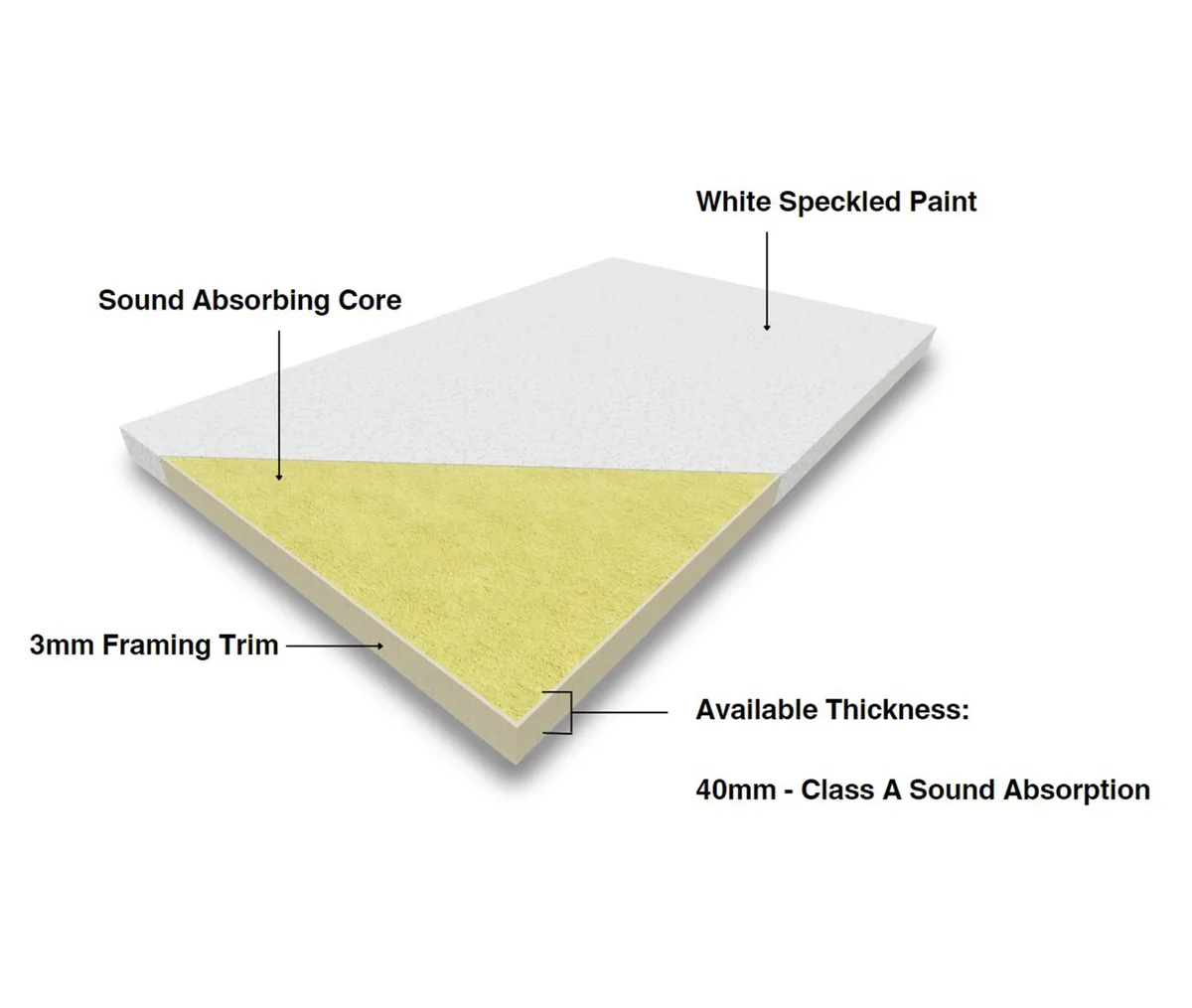
Image source: Bing (Web (fair-use with source credit))
Natural vs synthetic: the honest trade-off
Linen and cotton breathe and feel beautiful, but they crease, fade, and hold odour. Synthetics and blends resist fading and clean easily, but can feel plasticky and build static in dry rooms. Bouclé and velvet sit at the luxury end, with the price tag to match.
Weight, drape, and GSM
Fabric weight is measured in GSM (grams per square metre). Anything under 200 GSM drapes softly but shows every wall imperfection. Above 300 GSM, the fabric hides bumps but gets heavy enough to need stronger fixings.
| Fabric | Typical GSM | Rub count (Martindale) | Watch out for |
|---|---|---|---|
| Linen | 180 to 260 | 15,000 to 25,000 | Creasing, fading |
| Bouclé | 300 to 450 | 25,000 to 40,000 | Dust and pet hair |
| Velvet | 250 to 400 | 30,000 to 50,000 | Pile direction, shading |
| Grasscloth | 200 to 350 | N/A (not upholstery) | Moisture, staining |
Acoustic value is the quiet bonus
Textiles absorb sound. Per ASTM C423 testing, thicker fabric panels mounted away from the wall reach an NRC (Noise Reduction Coefficient) of 0.6 to 0.85. In echoey rooms, features walls work as much as décor as sound dampening.
Cost Bands, Specs, and What You're Actually Paying For
Prices swing wildly because you're paying for three different things: the fabric, the backing, and the labour. Understanding that split stops you from overpaying on one and underpaying on another.
Price per metre vs price per square metre installed
High-street fabric sits at £15 to £40 per metre. Designer fabric runs £60 to £150 per metre. Couture houses push past £200 per metre.
Wall panel kits land around £40 to £120 per square metre. Fully installed bespoke upholstered walls run £150 to £400 per square metre.
Rub counts, fire ratings, and lightfastness explained
- Martindale rub count, per ASTM D4966, tells you how many abrasions a fabric withstands. 15,000 is light domestic. 40,000-plus is heavy.
- Fire ratings in the UK follow BS 5852. In the US, NFPA 701 covers wall hangings. Crib 5 is required for most UK contract settings.
- Lightfastness is measured on the blue wool scale, usually 1 to 8. For a sun-facing wall, aim for 5 or higher.
Fitting, Prep, and Installation Flow
Good installs are 80% prep. Skip the prep and you'll fight bubbles, sagging, and peeling within a year.
Measuring around sockets, skirting, and radiators
Measure the wall's full width and height first. Then mark every socket, switch, skirting edge, and radiator position on a rough sketch. Add 5 cm to each panel's width for trimming over sockets cleanly.
Order 10% extra fabric for pattern matching and waste.
Fix methods, and how to choose
- Paste-the-wall: best for textile wallcoverings and grasscloth. Needs smooth, primed walls.
- Adhesive strips or Velcro: best for modular panels and renters. Reversible, but weight-limited.
- Batten frame: best for full-wall upholstery. Strongest, permanent, needs a fitter.
- Rod or rail: best for tapestries and drapery. Cheapest, easiest, most reversible.
Work centre-out when installing panels. Roll every seam flat as you go. Trim around fixtures last, using a sharp blade against a plastic edge.
Adhesives typically need 24 to 72 hours to cure fully.
Mistakes That Wreck a Fabric Feature Wall
Most fabric wall failures trace back to a handful of avoidable calls. Spotting them early is what separates a wall that still looks good in five years from one you're ripping out in twelve months.
Colour surprise and the swatch trap
Colour surprise is the number one complaint in verified buyer feedback. A swatch viewed on a phone screen in daylight can shift two or three shades once it's under bedside lamps. Always order the full-size sample, not the postage stamp.
Hold it against the wall at 7am, 2pm, and 10pm before you commit.
Sagging panels and adhesive failure
Sagging happens when the adhesive or paste isn't rated for the fabric's weight. Peel-and-stick products typically cap at around 200 GSM before they start to peel at the corners. On freshly painted walls, most adhesives need the paint to cure for at least 7 days, sometimes 30, before they'll bond properly.
Seam mismatches under side light
Pattern-matched seams look invisible under direct overhead light. Side light exposes everything. This is why installers work centre-out and match the pattern repeat on every join.
If your fabric has a large repeat, order 15% to 20% extra to allow for wastage.
Mould, fading, and dust magnets
Mould appears behind fabric on cold external walls where warm interior air condenses. Check for cold bridging before you cover anything. Sun fading hits the window-facing side first, so rotate or replace panels if you can.
Bouclé and velvet trap dust, and a brush-head vacuum once a month keeps them from going grey.
Safety, Rentals, and Listed Buildings
Fabric wallcoverings carry real regulatory weight in some settings, and getting it wrong can void insurance or breach a tenancy. Check the rules before you spend a penny.
Fire regulations and what they actually require
In the UK, the Furniture and Furnishings (Fire Safety) Regulations set strict fire performance requirements for domestic upholstered textiles. Contract-rated fabrics meeting BS 5852 Crib 5 are mandatory in HMOs, rentals, and commercial spaces. In the US, NFPA 701 covers wall hangings and large textiles.
If you're covering more than a small feature area, verify the fabric's certificate before ordering.
VOC off-gassing in small bedrooms
Adhesives release volatile organic compounds as they cure, and a small, poorly ventilated bedroom concentrates them. Choose low-VOC or water-based adhesives where you can. Keep windows open for the first 48 to 72 hours after installation, and sleep in another room for the first night if the smell is strong.
Reversible options for renters and period properties
If you rent, or live in a listed or period property, choose the reversible route. Velcro battens, tension rods, or framed panels lift off without touching the original surface. Listed building consent is often needed for permanent fixings on historic plaster, timber, or decorative surfaces.
Always check with the local conservation officer first.
Care, Cleaning, and Long-Term Performance
A fabric wall needs less attention than a carpet but more than a painted wall. A ten-minute routine every few weeks keeps it looking sharp.
Routine cleaning by fabric type
- Vacuum monthly with a brush head on low suction. Velvet and bouclé need this most.
- Linen and cotton: spot-clean with a mild detergent solution and a clean white cloth. Blot, don't rub.
- Grasscloth: dust only. Water stains it permanently.
- Upholstered panels: professional dry cleaning every 3 to 5 years for heavy-use rooms.
Long-term wear and when to refresh
Expect 5 to 7 years from a light domestic install and 10-plus with careful maintenance. Watch for pile flattening in high-touch zones, usually near the pillow line. Sun-facing panels fade first, so rotate them if your design allows.
Small fixes before big replacements
Loose corner? Reheat the adhesive with a hairdryer on low and press it back. Small bubble?
Prick it with a pin and smooth the fabric flat. Loose seam? A fabric-safe adhesive pen does the job in seconds.
Only replace a panel when the backing has failed, not when it's a small cosmetic issue.
Frequently Asked Questions
How much does a bedroom feature wall in fabric cost?
Expect £40 to £120 per square metre for modular panel kits, and £150 to £400 per square metre for a fully installed bespoke upholstered wall. Fabric alone runs £15 to £150 per metre depending on brand. Add 10% to 20% extra for waste and pattern matching.
Can I install fabric on my bedroom wall myself?
Yes, if you stick to modular panels, peel-and-stick fabric, or a hanging textile. Full-wall upholstery with foam and batten frames is best left to a fitter. DIY-friendly options usually take 2 to 4 hours for a standard wall behind a double bed.
Do fabric feature walls actually reduce noise?
They do. Per ASTM C423 testing, thicker textile panels mounted away from the wall reach an NRC of 0.6 to 0.85. That's meaningful absorption in an echoey room.
Thin wallcoverings directly glued to plasterboard absorb far less.
What fabric is best for a south-facing bedroom wall?
Pick something with a lightfastness rating of 5 or higher on the blue wool scale. Synthetics and solution-dyed fabrics hold colour best under strong sun. Linen and untreated natural fibres fade fastest, so avoid them on bright, sun-facing walls.
Is fabric on bedroom walls safe for renters?
Only if it's fully reversible. Velcro battens, tension rods, and framed panels lift off without damaging the wall. Skip paste-the-wall products and strong adhesives.
Always check your tenancy agreement before fixing anything to the wall.
How long does a fabric feature wall last?
Five to seven years in normal domestic use, ten-plus with careful maintenance. Longevity depends most on fabric quality, sun exposure, and whether the wall behind it stays dry. Mould and adhesive failure shorten lifespan more than any other factor.
Final Recommendation: How to Choose the Right Textile for Your Bedroom Wall
Start with the wall, not the fabric. Cold external wall, high sun exposure, or historic plaster all narrow your options before you've looked at a single swatch.
If you rent or want flexibility, go modular panels or a hanging textile. If you own the place and want hotel-grade polish, upholstered wall or textile wallcovering delivers more impact.
Match the fabric to the light. Bright south-facing rooms need lightfastness 5 or higher. Dim north-facing rooms need visible texture so the wall doesn't disappear into shadow.
Order full-size samples. Hold them against the wall at three points in the day. Check pile direction on velvet, chenille, and mohair before you buy.
Check fire ratings and fixings before you order. BS 5852 Crib 5 in the UK, NFPA 701 in the US, and low-VOC adhesives for small rooms.
Budget for the full job, not the fabric. Panels, adhesive, fixings, and fitting often cost more than the textile itself.
Finally, plan the exit. If reversibility matters, choose a method that lifts off cleanly. A wall you can undo is a wall you'll feel good about.

Similar Posts