Palette Ideas That Work With Black Hardware
The palette for black hardware comes down to undertones, not color names. If your black pulls and fixtures lean cool and your walls lean warm, they fight. Get the undertones aligned and almost any color works.
This guide walks through which palettes actually hold up, and why.
In our research, the biggest variable is Light Reflectance Value, or LRV. It's a 0 to 100 scale that measures how much light a paint color bounces back. Pure white sits near 85 to 90, greige around 50 to 65, and charcoal close to 10.
Once you know where your black hardware sits on that tonal map, choosing a palette gets a lot simpler.
palette for black hardware
A palette for black hardware pairs black fixtures with colors that share or deliberately contrast their undertones. Whites, creams, greiges, warm woods, and muted blues or greens all work well. The key is matching undertone direction.
Cool black hardware wants cool-leaning colors. Warm black hardware wants warm-leaning colors.
Why This Comparison Matters (and Why It Goes Wrong So Often)
Most black hardware regrets come down to one thing: undertone mismatch. Black isn't a single color. It carries a lean, and that lean changes how every other surface in the room reads.
Warm Black vs. Cool Black Hardware
Warm black hardware has a brown or bronze base. Think oil-rubbed bronze, aged iron, and many "matte black" finishes sold at big-box stores. Under warm light, it pulls brown.
Cool black hardware is closer to true jet black or gunmetal. It has a blue or gray base. It stays hard and flat even in warm bulb light.
Manufacturer finish charts usually don't call this out. You have to look at the piece in daylight to see it.
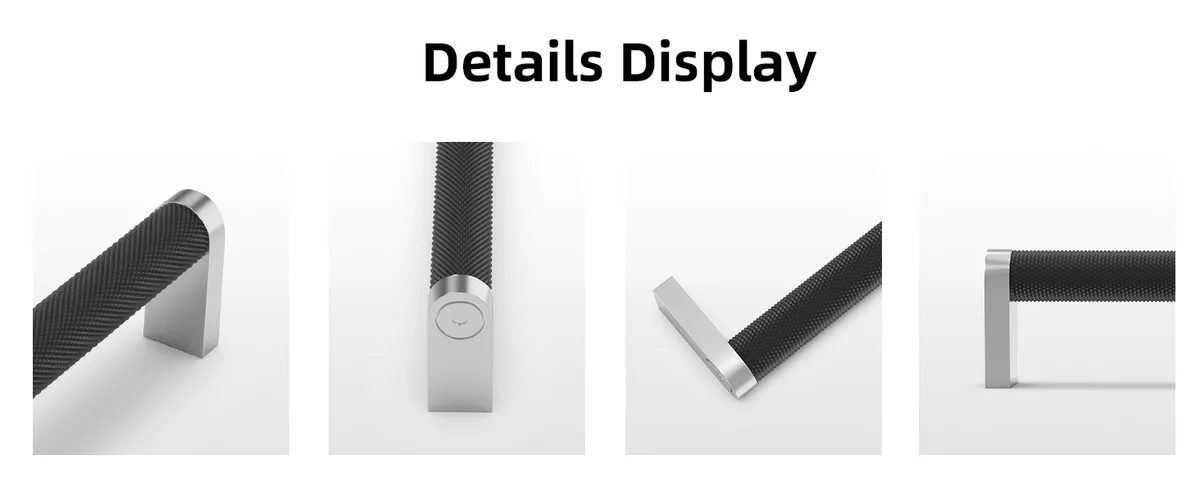
Image source: Bing (Web (fair-use with source credit))
Undertones 101: The Real Reason Colors Clash
An undertone is the subtle color hiding beneath a paint's main color. A "gray" wall can secretly be blue-gray or green-gray. A "white" cabinet can secretly be blue-white or cream.
Here's the rule that saves most palettes: match undertone direction, not color family. Warm black with warm whites and warm woods. Cool black with cool grays and cool stones.
Per ASTM D523 testing, paint sheen and gloss are measured separately from color. That matters because a satin finish bounces more light and can make a cool black read almost blue.
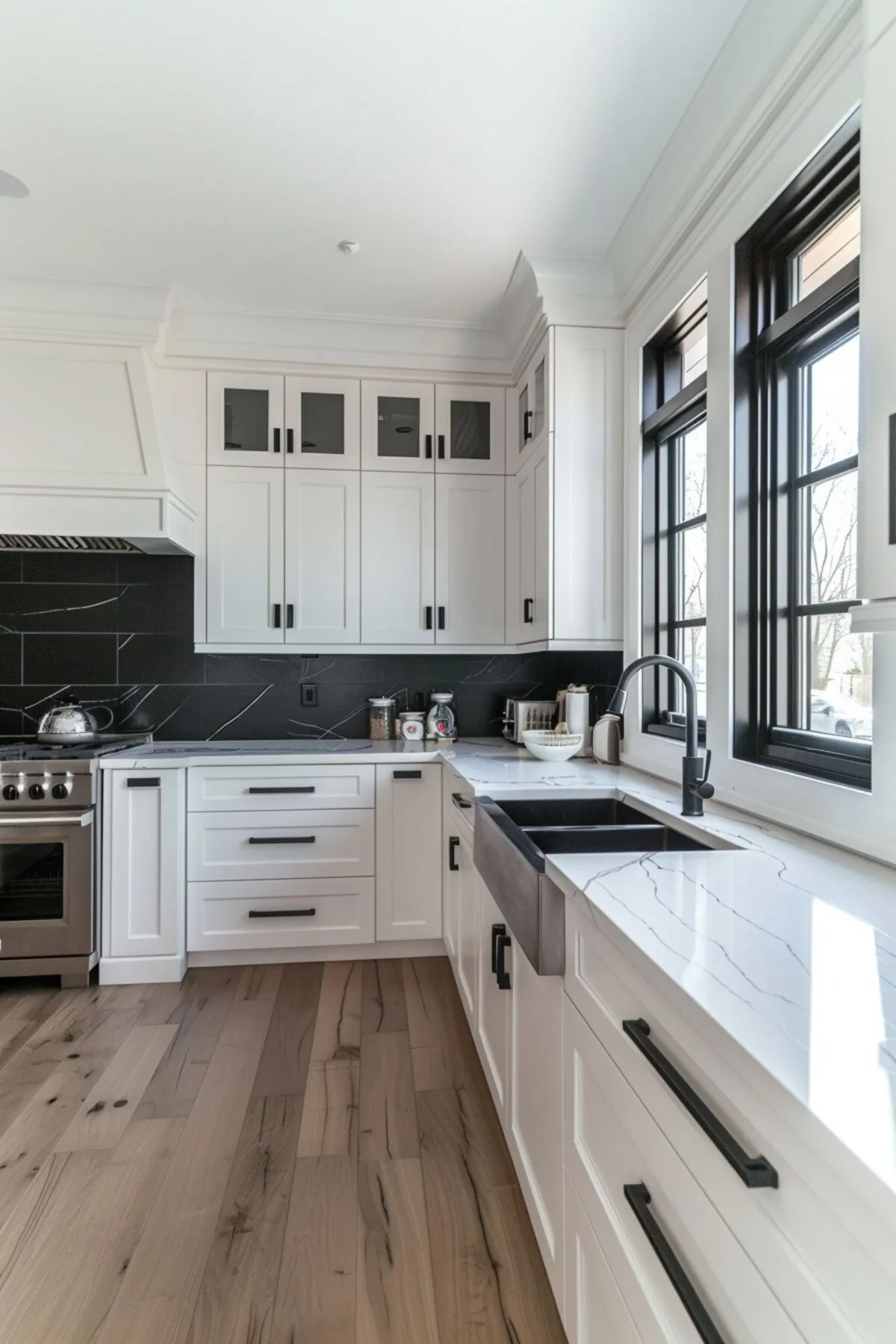
Image source: Bing (Web (fair-use with source credit))
The Palettes, Broken Down Side by Side
Each palette below works, but for different rooms and different hardware. Use the "best for" line to narrow fast.
Whites and Creams
Warm cream and off-white cabinets with warm black hardware is the safest high-contrast pairing. It reads classic and it ages well. Cool white with cool black is sharper and more modern.
Best for: kitchens and baths where you want maximum contrast and easy resale.
Grays and Greiges
Greige (gray plus beige) is the trickiest family here. A green-leaning greige next to warm black can look sickly. A blue-leaning gray next to warm black can look cold.
Test greige samples against your actual hardware pull. Don't trust the chip alone.
Best for: transitional kitchens and mudrooms.
Blues and Greens
Muted blues and greens are the strongest pairing with black hardware right now. Navy, slate blue, sage, and forest green all hold black beautifully.
The trick is saturation. Soft, dusty versions feel calm. Deep, saturated versions feel moody and deliberate.
Best for: islands, butler's pantries, and bathroom vanities.
Wood Tones
Warm oak, walnut, and espresso all pair well with black. Cool gray-stained wood wants cool black to keep the scheme cohesive.
Natural wood plus black hardware is one of the most forgiving combinations you can pick. Wood has its own undertone range, and black has enough contrast to anchor it.
Best for: rustic, Scandinavian, and modern-farmhouse looks.
Bold and Moody Cabinets
Charcoal, black, and deep ink cabinets with black hardware is a monochrome move. It works only if the hardware finish differs from the cabinet finish. Matte black hardware on satin black cabinets reads well.
Same finish on same finish disappears.
Best for: powder rooms, bars, and accent islands.
The Metal Mix Question
The old rule was one metal per room. That rule is dead. The current approach is two or three metals, with one clearly dominant.
Black plus brass plus a touch of nickel works if black leads. The mistake is giving all three equal visual weight.
Best for: anyone who wants a collected, layered look instead of a showroom look.
Best Palette for Each Use Case
Different rooms carry different lighting and different tolerance for risk. Here's how the palettes map to real spaces.
Kitchen
Warm white or cream cabinets with warm black hardware and warm oak floors is the lowest-risk combo. It's forgiving and it photographs well.
If you want more drama, go deep green or navy on the island only. Keep the perimeter lighter.
Bathroom
Cool white or soft gray with cool black hardware reads clean and modern. Bathrooms usually run cooler light, so warm black can look muddy there.
Anchoring the scheme with a warm wood vanity balances it out nicely.
Doors, Trim, and Exterior
Black hardware on interior doors pairs with almost any trim color. The one caveat is trim with a strong undertone. A pink-leaning white fights cool black.
Exterior doors do best with a bold color: black, deep green, or navy. The hardware just needs to match the door's temperature.
Furniture and Rentals
Renters can't repaint cabinets. Swapping hardware is the whole play.
Matte black knobs on existing light wood or white furniture is a near-universal upgrade. Warm black on warm wood, cool black on white.
How to Test a Palette Before You Commit
Testing takes an afternoon. Skipping it costs a repaint.
The Sample Door Method
Buy one pull and one knob first. Tape or screw them to an actual cabinet door. Then hold paint chips beside them.

Image source: Web (Bing) / fity.club (Web image (fair-use with source credit))
Don't judge a palette from a fan deck in a store. Store lighting is close to 4000K and flattens everything.
Lighting Check: Morning, Noon, Night
Look at your samples three times in one day. Morning light is cool. Midday is neutral and bright.
Evening bulb light is warm and yellow.
If the palette holds at all three, it's right. If it only works at noon, it's wrong. The room lives in the other hours too.
The U.S. Department of Energy publishes guidance on lighting color temperature that's worth a look if you're swapping bulbs at the same time. Cool bulbs make black hardware harder and colder.
Warm bulbs soften it.
Mistakes to Avoid With Black Hardware
The most common mistake is picking hardware before picking paint. That's backwards. Lock your paint and stone first, then match the black to their temperature.
Another one: treating all black hardware as interchangeable. Matte, satin, and polished black are three different finishes with three different moods. Aggressive mixing within one room reads unfinished.
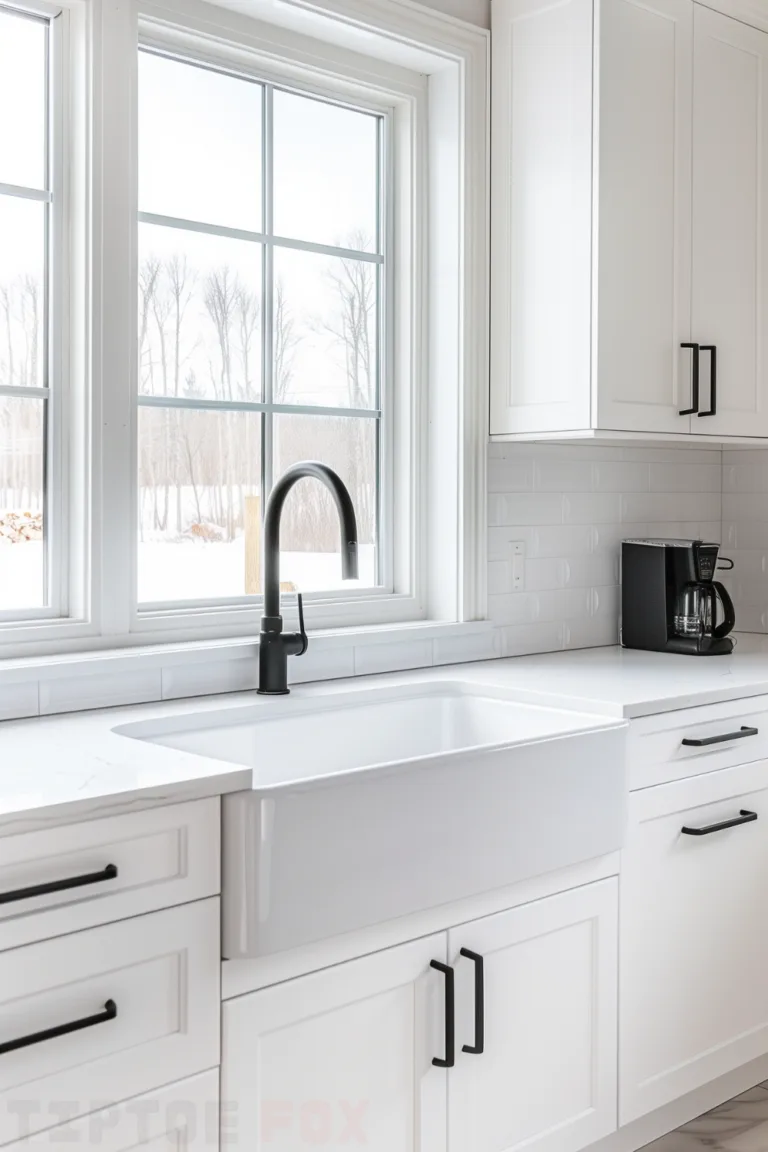
Image source: Bing (Web (fair-use with source credit))
What about matching hardware to cabinet color?
Match temperature, not exact tone. Black hardware on black cabinets only works when the finishes differ. Matte pulls on satin doors, or brushed hinges on gloss panels.
Identical finish on identical finish vanishes.
Does black hardware make small rooms feel darker?
Not by itself. Hardware is a small visual element. What darkens a room is the wall and cabinet color, plus how much natural light it gets.
If a small bathroom feels heavy after the swap, it's the palette, not the pulls.
Should you match black hardware across every room?
Yes, within sight of each other. Open-plan kitchens and living rooms should run the same finish family. Closed-off bedrooms can break the rule.
Can you mix black hardware with warm metals?
Yes, and it's one of the easiest upgrades. The trick is dominance: let black lead, brass or bronze support. Equal weight on both looks confused.
Keep the mix to two or three metals maximum across a single sightline.
Why does your black hardware look brown in some light?
Warm bulbs, usually 2700K, push warm-leaning black hardware toward brown. Cool black stays black under the same light. This is a finish issue, not a product defect.
Costs, Specs, and Practical Numbers
Budgeting for a hardware swap isn't complicated, but the range is wide. Here's what our analysis of current listings and manufacturer specs shows as of 2026.
Per-pull pricing varies hugely by brand, material, and finish. Big-box store brands sit at the low end. Boutique and specialty hardware brands run higher, especially solid brass or hand-finished pieces.
| Item | Typical Range | Notes |
|---|---|---|
| Cabinet pull or knob | $3 to $25 each | Matte and satin finishes often cost less than polished or hand-finished |
| Full kitchen rehardware | $150 to $900 | Assumes 30 to 45 doors and drawers |
| Bathroom vanity swap | $40 to $120 | Typically 4 to 8 pieces |
| Interior door knob or lever set | $25 to $150 per door | Grade 2 or Grade 3 hardware |
| Hardware-only rental refresh | $60 to $250 | No painting needed |
Standard pull center-to-center sizes run 3 inches up to 12 inches. Knob diameters sit around 1 to 1.5 inches. Measure your existing hole spacing before ordering.
Cabinet paint needs 7 to 30 days to cure, depending on product and humidity. Don't reinstall hardware onto wet paint. It'll chip.
LRV matters here too. A cabinet color at LRV 15 with matte black hardware reads as one continuous dark mass. Add trim at LRV 80 to break it up.
How to Plan a Full Room Palette
Start with the fixed elements: flooring, countertop, and any stone you can't change. Those set the temperature for everything else.
Then pick your paint color to work with them. The hardware comes last, matched to the paint's undertone.
Build the palette in a 60-30-10 split. Sixty percent dominant (cabinets or walls), thirty percent secondary (counters, floors), ten percent accent (hardware, lighting, small pieces).
What order should you pick things in?
Fixed surfaces first, then paint, then hardware. That's the order that keeps you out of repaint territory.
What if you're only swapping hardware?
Match the new black to the existing paint undertone. If the cabinets are warm white, go warm black. Cool white, go jet or gunmetal.
Where does lighting fit into the plan?
Lighting changes how every color reads, so treat bulbs as part of the palette. Warm bulbs (2700K) flatter warm blacks and woods. Cool bulbs (3500K+) suit cool stones and jet black hardware.
The EPA has guidance on low-VOC and zero-VOC paints if you're repainting during the same project, which many hardware swaps become.
Those certifications matter for indoor air quality, and they're easy to check on the label.
Frequently Asked Questions
What color cabinets look best with black hardware?
Warm white, cream, greige, muted green, navy, and natural wood are the safest cabinet colors for black hardware. The deciding factor is undertone direction, not the color name itself. Warm-leaning colors pair with warm black.
Cool-leaning colors pair with jet black or gunmetal.
Can you mix matte black and satin black hardware?
Yes, and it's a smart move in one room. The two finishes read differently under light, which adds depth without breaking the scheme. Keep them in the same undertone family so the mix looks intentional rather than accidental.
Is black hardware going out of style in 2026?
Our analysis of design and remodeling trends shows black hardware holding steady as of 2026. It's no longer a trend piece. It's closer to a default, similar to how brushed nickel sat a decade ago.
Matte black is the most common finish sold today.
What wall colors clash with black hardware?
Wall colors with a strong opposite undertone clash most. A pink-leaning white next to cool black looks off. A green-leaning greige with warm black can look muddy.
Test a chip against the actual hardware before committing to paint.
How do you keep matte black hardware from looking dusty?
Matte finishes show dust and water spots more than satin or polished. A dry microfiber cloth once a week handles most of it. Avoid abrasive cleaners, which can dull the finish and void some manufacturer warranties.
Does black hardware work in small kitchens?
Yes, and it often helps. Black hardware creates contrast against light cabinets, which gives small kitchens more visual definition. The risk isn't size.
It's pairing black hardware with a dark palette in a low-light room, which flattens the whole space.

Similar Posts