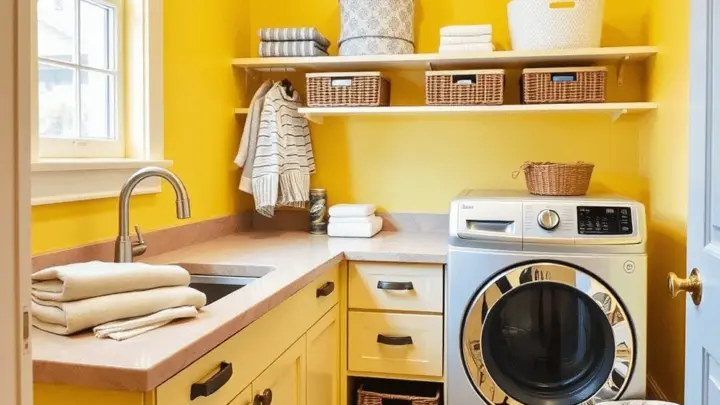
Folding Station with Open Shelves: Smart Laundry Setup
A folding station with open shelves works best when you need fast, visible access to folded linens and don't mind dusting once a week. It's a practical pick for small laundry rooms, mudrooms, and over-washer setups where cabinets would feel cramped or cost too much. But open shelves aren't automatically better.
They're a trade-off, and the right call depends on your room, your habits, and how much clutter you can tolerate on display.
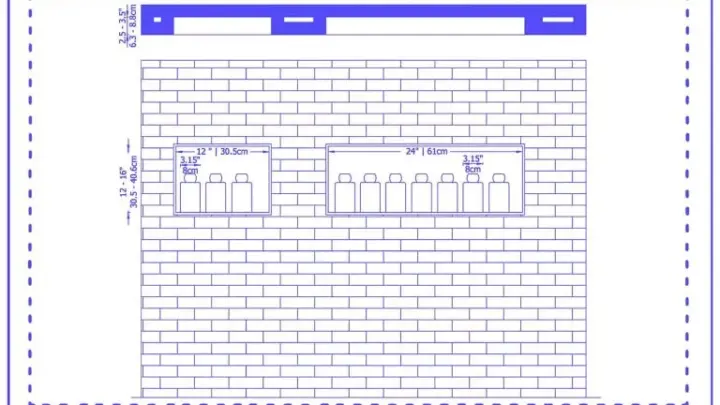
Here's what the specs actually say. A standard laundry counter sits at 36 inches high and runs 18 to 24 inches deep, which fits most baskets. Open shelf tiers typically space 12 to 16 inches apart.
Get those numbers wrong and the whole setup fights you every single day.
folding station with open shelves
A folding station with open shelves is a counter for folding clothes with exposed shelving above or below it. It offers fast access to towels, sheets, and supplies. Open shelves cost less than cabinets and keep items visible.
They also collect dust and show clutter, so they suit tidy, low-humidity laundry rooms best.
Why Open Shelves Change the Whole Decision
Open shelves aren't just a style choice. They change how you use the station and how much upkeep it demands. Cabinets hide mess.
Open shelves expose it. That single difference drives almost every trade-off in this guide.
Think about airflow first. In a damp laundry room, open shelves let folded linens breathe instead of trapping moisture behind a door. That matters in humid climates and basements, where mildew is a real risk.
Then there's cost. Open shelving uses far less material than a cabinet box. Per manufacturer specs for flat-pack systems, an open shelf tower runs roughly $80 to $400, while a comparable closed cabinet often doubles that.
The catch is visibility. Everything you stack on an open shelf stays visible. If your laundry room doubles as a drop zone for mail, keys, and random clutter, open shelves will show it all.
Dust is the other honest downside. Open tiers collect lint and dust faster than closed units. Plan on a quick weekly wipe-down, especially in dry, dusty regions.
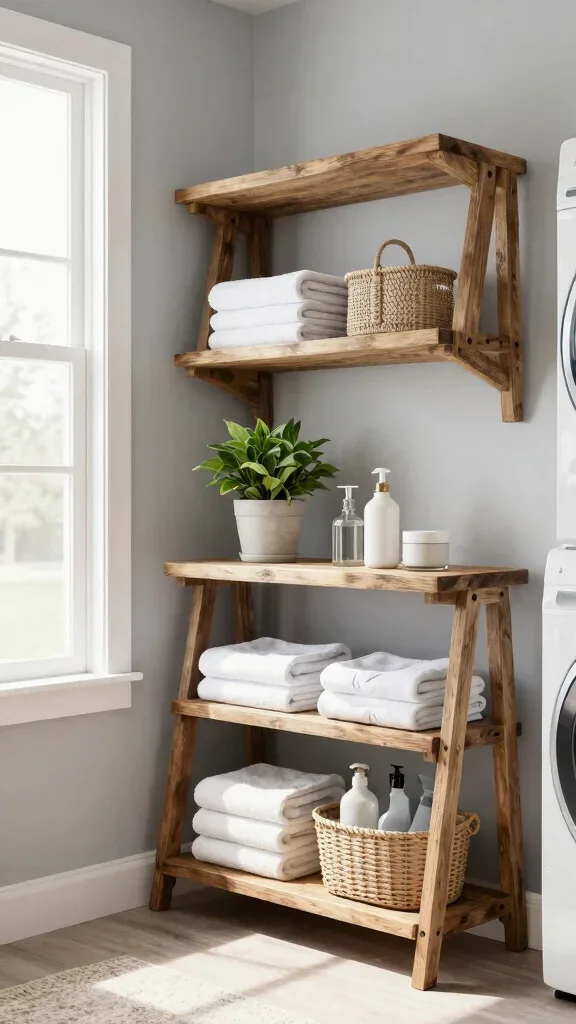
Image source: Bing (Web (fair-use with source credit))
The Main Options, Broken Down
There's no single open-shelf folding station. There are four common builds, and each fits a different room. Let's walk through them.
Wall-Mounted Over-Washer Bridge Shelf
This is a shelf-and-counter unit that spans across the top of your washer and dryer. It's ideal when floor space is tight.
You anchor it to wall studs and set the counter at 36 inches high. That clears most top-loading lids and front-loading doors. Just confirm your appliance specs before you drill.
It's the go-to for apartments and small utility rooms. Storage is limited to the span above the machines, so it suits light laundry loads, not a family of five.
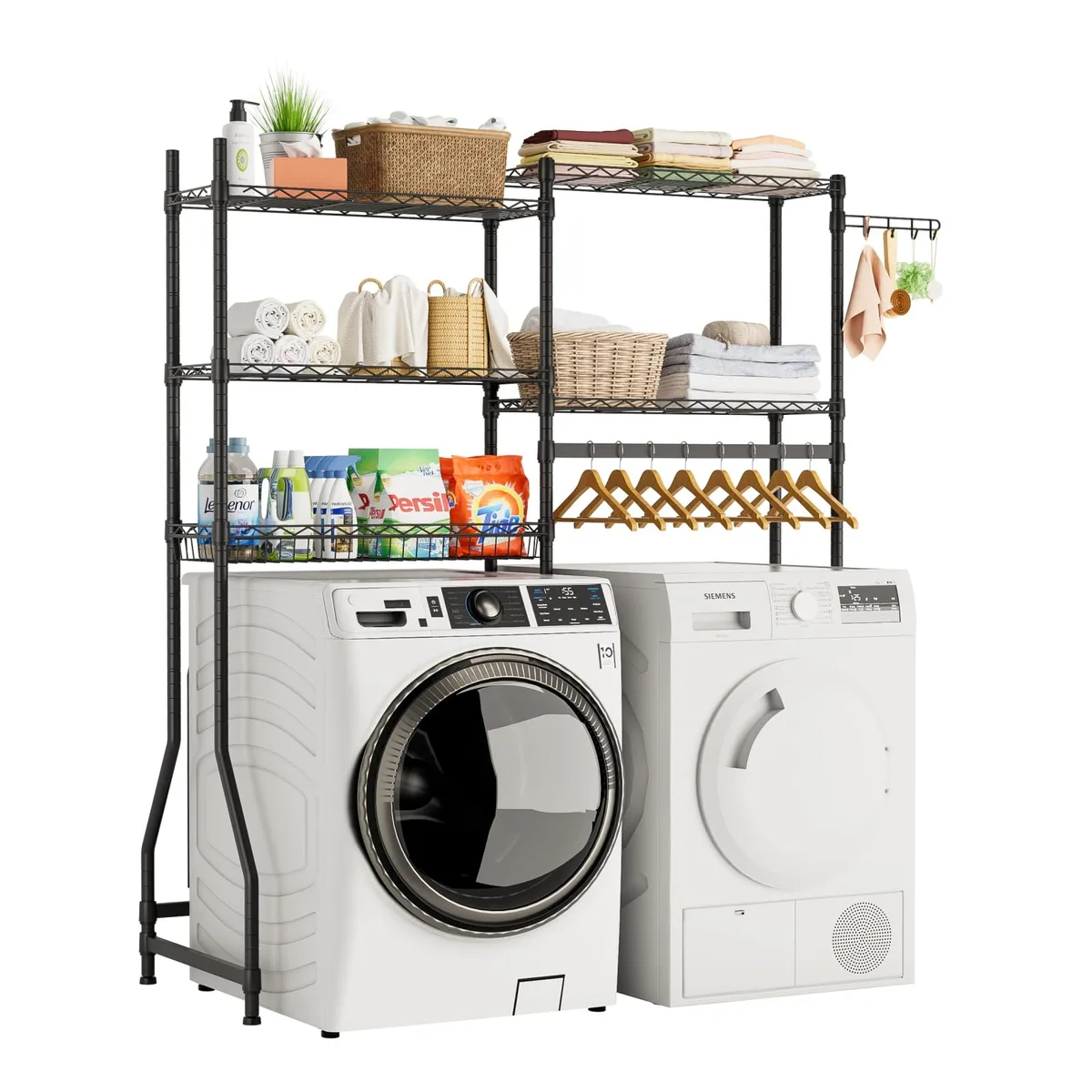
Image source: Bing (Web (fair-use with source credit))
Freestanding Folding Table With Shelf Base
This is a table or bench with open shelves built underneath. It stands on its own, so you can move it if needed.
The base shelves hold baskets, detergent, and folded stacks. The top gives you a full-width folding surface. Load ratings on residential units typically run 25 to 100 pounds per shelf.
It's the best pick for renters, garage laundry corners, and anyone who wants flexibility without wall damage. Casters make it even easier to reposition.
Custom Built-In Counter With Open Shelving
This is a carpenter-built or fully custom unit that fits your exact wall. You choose the depth, shelf count, and finish.
It's the premium option, running roughly $600 to $2,500 or more depending on size and materials. In return, you get a perfect fit and full control over shelf spacing.
It's best for homeowners doing a permanent laundry room or mudroom. If you're staying put for years, the fit and finish are worth it.
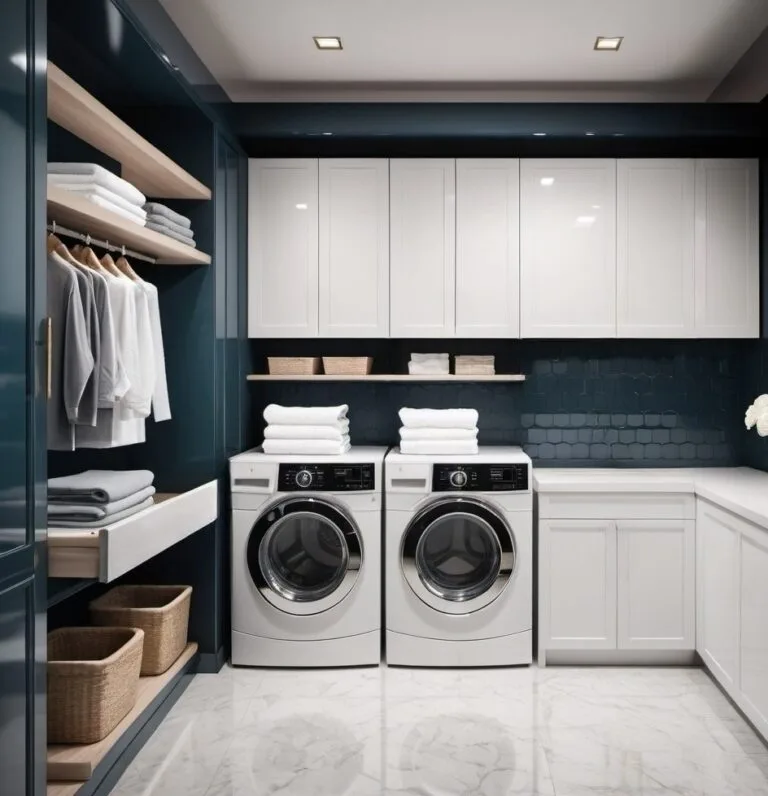
Image source: Bing (Web (fair-use with source credit))
Cube Organizer + Countertop Combo
This is a flat-pack cube shelving unit with a countertop laid across the top. It's the cheapest and fastest route.
You get open cubbies for bins and baskets, plus a folding surface up top. It's modular, so you can add cubes as your needs grow.
It's best for budget builds, craft rooms, and quick weekend setups. Just anchor it to the wall, because tall cube towers can tip.
Side-by-Side Comparison: Cost, Space, Load, and Upkeep
Here's how the four options stack up. Numbers reflect typical residential specs and aggregate pricing as of 2026.
| Option | Typical Cost | Best Space | Shelf Load | Upkeep |
|---|---|---|---|---|
| Over-washer bridge shelf | $80–$250 | Tight, small rooms | 25–50 lbs | Weekly dust |
| Freestanding table + shelf | $100–$400 | Rentals, garages | 25–100 lbs | Weekly wipe |
| Custom built-in | $600–$2,500+ | Dedicated rooms | 50–100+ lbs | Weekly wipe |
| Cube organizer combo | $80–$200 | Budget setups | 25–50 lbs | Weekly dust |
A few patterns stand out. Custom builds cost the most but fit the best. Flat-pack options are cheap but lighter on load.
Over-washer designs save the most floor space.
Pick based on your priority. If space is tight, go over-washer. If budget leads, go cube combo.
If you want it to last, go custom.
Best Setup for Your Situation
The right setup depends on your room, your household size, and whether you rent or own. Here's how to match them.
Small Apartments and Stacked Units
Go with an over-washer bridge shelf. It uses vertical space you're already paying for. Keep the counter at 36 inches and confirm your stacked unit's clearance first.
Family Laundry Rooms and Mudrooms
Go custom or freestanding. A family of three to five generates serious volume. You'll want deeper shelves (18 to 24 inches) and a full-width counter for stacking.
Garages, Basements, and Damp Rooms
Choose moisture-resistant materials like melamine or sealed plywood. Open shelves help airflow, which fights mildew. Seal every cut edge to stop swelling.
Renters vs. Homeowners
Renters should favor freestanding or removable over-washer designs. Homeowners can invest in built-ins that raise resale value.
Mistakes That Ruin an Open-Shelf Folding Station
Most problems come down to a few predictable errors. Fix these before you build or buy, and you'll skip the worst headaches.
The biggest one is skipping the stud anchor. Drywall anchors alone won't hold a loaded shelf. Manufacturer specs and CPSC tip-over guidance both call for anchoring into studs at 16-inch centers.
The second mistake is ignoring appliance clearance. If your shelf blocks the washer lid or dryer door, you'll hate the setup within a week. Measure the swing arc before you commit to a height.
Depth is the third trap. A 10-inch shelf looks fine online but won't fit a laundry basket. Baskets run about 15 x 22 inches, so anything under 18 inches deep forces awkward stacking.
Finally, don't build open shelves in a damp basement without sealing the edges. Swollen MDF is a one-way trip.
Sizing, Materials, and Load Limits That Actually Matter
Get the numbers right and the station works for years. Get them wrong and you'll rebuild it.
Counter height sits at 36 inches for most adults, though 34 to 38 inches covers the comfort range. Shelf tiers typically space 12 to 16 inches apart. That gap holds folded stacks but stops tall baskets from clearing.
Materials matter as much as dimensions. Here's a quick comparison.
| Material | Humidity Resistance | Cost | Best For |
|---|---|---|---|
| Melamine | Good | Low | Budget, damp rooms |
| Sealed plywood | Very good | Mid | DIY builds |
| Solid wood | Fair unless sealed | High | Dry rooms |
| Powder-coated steel | Excellent | Mid | Garages, basements |
| Wire shelving | Excellent | Low | Airflow, towels |
Load ratings vary too. Residential shelves commonly hold 25 to 100 pounds per tier. Higher ratings come from deeper brackets and closer stud spacing.
Per ANSI/BIFMA furniture stability standards, tall freestanding units need anti-tip hardware. Don't skip it.
Setup, Anchoring, and Long-Term Care
Setup is a weekend project at most. A DIY plywood build takes roughly four to eight hours. Flat-pack assembly is faster, often two to three hours.
Start by measuring your footprint and appliance clearances. Locate the studs and mark your bracket heights. Level the counter, then anchor the shelves into the studs.
Seal every cut edge with moisture-resistant paint or edge banding. Add a hanging rod if you air-dry delicates. Route power for an iron or steamer before you close up the wall.
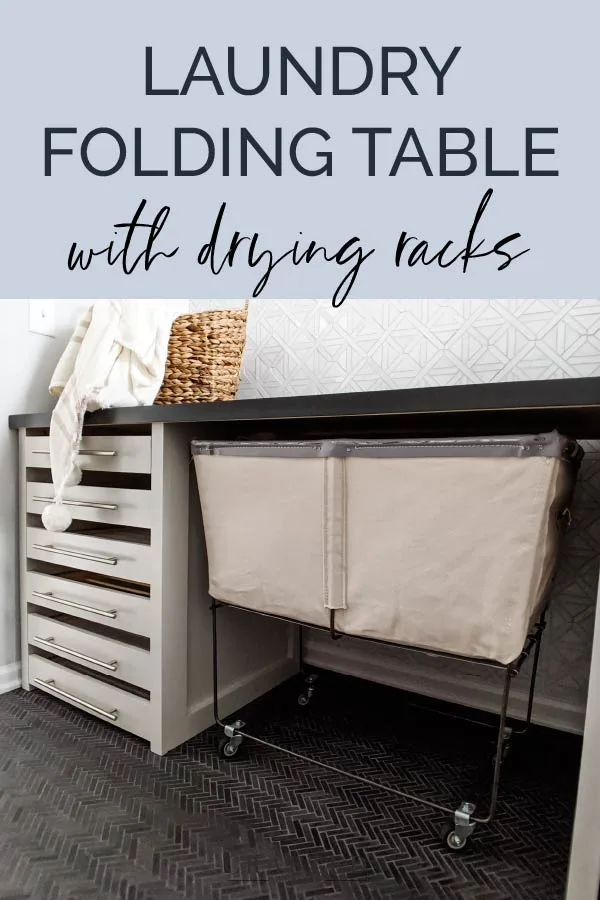
Image source: Bing (Web (fair-use with source credit))
Once it's up, upkeep is simple. Wipe shelves weekly to control lint and dust. Tighten brackets every few months.
If a shelf swells or sags, replace it before it fails.
Safety and Code Basics You Can't Skip
A few safety rules aren't optional, especially around appliances and children.
Keep clear space around the dryer vent. Never box a vent behind shelving, because restricted airflow is a fire risk. NFPA guidance treats lint buildup as a leading cause of dryer fires.
Store detergent pods and chemicals out of reach of kids and pets. If you add hardwired lighting or outlets, follow local building codes and pull a permit where required.
Anti-tip straps belong on every tall freestanding unit. The CPSC reports that furniture tip-overs send thousands of children to emergency rooms each year. It's a five-minute fix with a huge payoff.
FAQs
What is the ideal counter height for a folding station?
Most adults fold comfortably at 36 inches. The wider comfort range runs 34 to 38 inches, so match it to your height. Shorter users do better closer to 34.
Taller users prefer 38 or above.
How deep should open shelves be?
Go 18 to 24 inches if you store laundry baskets. Baskets run about 15 x 22 inches, so anything shallower forces awkward stacking. For folded towels and sheets only, 10 to 16 inches works fine.
Are open shelves a bad idea in a humid laundry room?
Not bad, just fussier. Open shelves improve airflow, which helps linens dry. But moisture can swell bare MDF edges fast.
Seal every cut edge and choose melamine or powder-coated steel.
Do I need to anchor a wall-mounted folding station into studs?
Yes, always. Drywall anchors alone won't hold a loaded shelf. Anchor into studs at 16-inch centers, then follow the manufacturer's load limit for each bracket.
How much weight can an open shelf hold?
Residential shelves typically hold 25 to 100 pounds per tier. Deeper brackets and closer stud spacing push that number up. Tall freestanding units always need anti-tip hardware.
Can I build a folding station with open shelves myself?
Absolutely, and it's one of the easier weekend builds. A plywood station takes roughly four to eight hours. You'll need a saw, drill, level, and moisture-resistant sealant for the edges.
Final Verdict: Pick Open Shelves Only If These Three Things Are True
Open shelves aren't the universal answer, so here's the honest test.
First, your laundry room needs to stay dry. If humidity runs high and you won't seal the materials, closed cabinets win.
Second, you need to be okay with visible clutter. Open shelves show everything. If your laundry room doubles as a drop zone, that's a daily frustration.
Third, you want fast access over hidden storage. If grabbing towels and sheets without opening a door matters most, open shelves deliver.
If all three fit, go open. If not, a hybrid setup with open shelves up top and closed cubbies below gives you the best of both.
When Open Shelves Beat Closed Cabinets
Open shelves win when access speed and airflow matter more than hiding clutter. Closed cabinets win when the room is damp, dusty, or shared with non-laundry stuff.
If you fold daily and grab towels constantly, open shelving saves you from swinging a door shut every time. If your laundry room also stores holiday decor and cleaning gear, cabinets keep that chaos out of sight.
Cost leans open too. An open shelf tower runs roughly $80 to $400. A comparable closed cabinet often doubles that, per aggregate flat-pack pricing as of 2026.
What It Costs to Build or Buy in 2026
Budget separates the four options cleanly. Here's the realistic range.
| Route | Material Cost | Time to Build |
|---|---|---|
| Flat-pack kit | $80–$400 | 2–3 hours |
| DIY plywood | $120–$300 | 4–8 hours |
| Over-washer shelf | $80–$250 | 2–4 hours |
| Custom built-in | $600–$2,500+ | Days to weeks |
Labor drives the custom price. A carpenter handling measurement, cutting, and finishing pushes it well past $1,500 in most markets.
DIY sits in the middle. You trade time for savings, and a plywood build lands under $300 in materials if you already own basic tools.
Renters should factor in reversibility. A removable over-washer shelf protects your deposit better than a built-in you can't take with you.

Similar Posts