Modern Lamps in Historic Homes: A Style Guide
Walking into a room of your 1920s bungalow and flicking on a brand-new chrome floor lamp can feel like inviting a stranger to a family dinner. The reason is rarely the lamp itself. It's almost always the light it throws, how tall it stands, and how it sits against original trim that was carved a century before the fixture was designed.
Styling a historic home with modern lamps is really the art of matching contrast on purpose rather than by accident. To get it right, you have to think like a lighting designer: read the room, choose your color temperature first, and treat the cord like part of the composition. Here's how that works, step by step.
historic home with modern lamps
Pair modern lamps with original architecture by matching light quality first, then scale, then finish. Choose warm bulbs around 2700K to flatter old woodwork. Match fixture height to ceiling height.
Keep metal finishes close to your existing hardware. Hide cords along baseboards. Layer ambient, task, and accent light instead of flooding one source.
Done deliberately, the modern lamp reads as a signature, not a mistake.
Why This Is Really a Visual Problem, Not a Shopping One
Every decision in this article starts with your eyes, not your credit card. Photograph the room at night with the lamps off, then again with them on. That single comparison shows you exactly what a modern lamp is doing to the space before you spend anything.
Here's the trap. Most buyers search for "vintage-style lamp" and end up with a reproduction that copies a period shape but misses the proportions of the actual room. That's how you get a Victorian "look" in a Craftsman parlor.
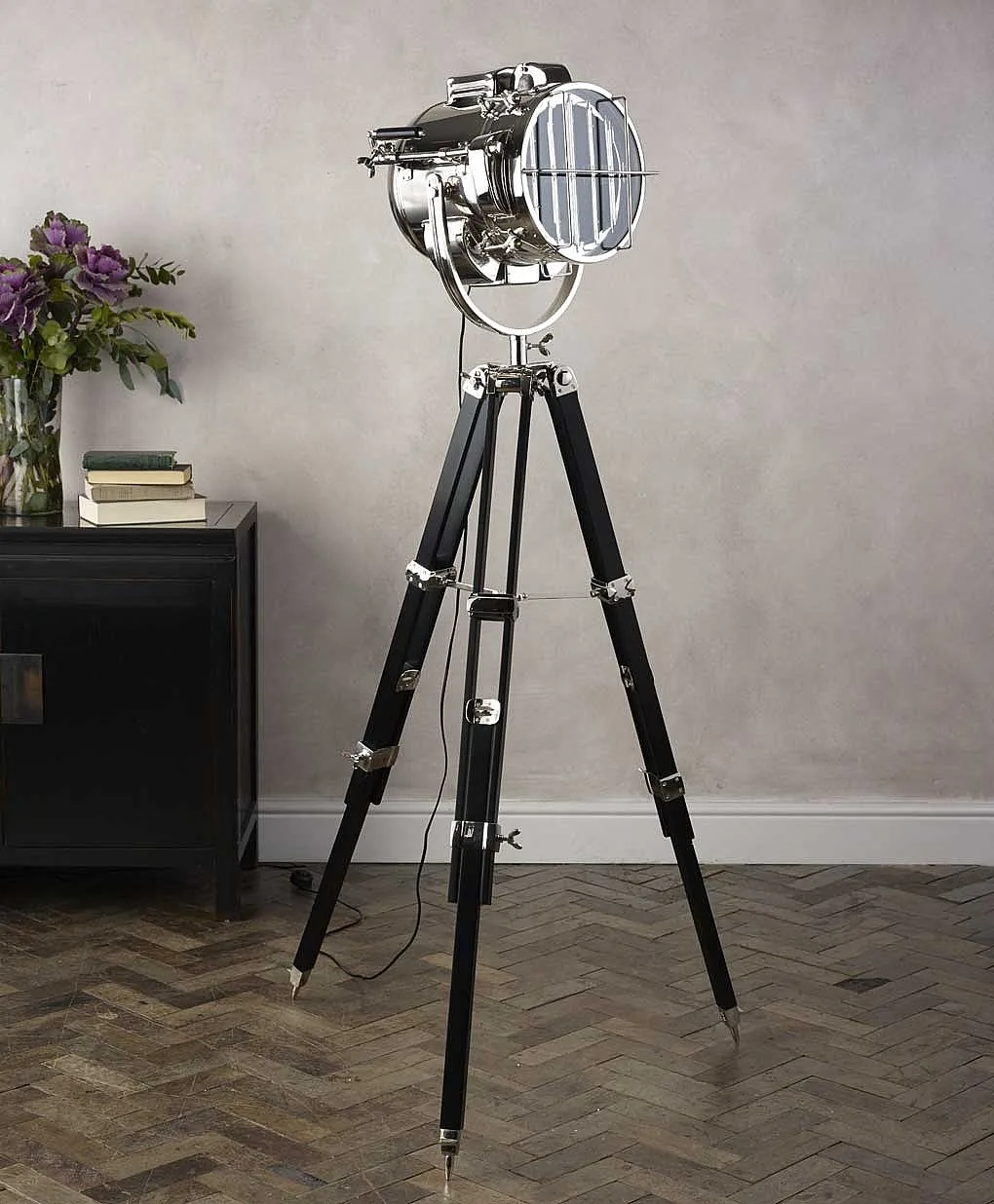
Image source: Bing (Web (fair-use with source credit))
A modern lamp in a historic room works when it's clearly, confidently modern. The contrast reads as a design choice. A modern lamp that's pretending to be old just reads as a compromise, and that's the visual problem nobody warns you about.
The 2700K Ceiling Nobody Talks About
Warm light is the invisible variable that makes or breaks every other decision. Above 3000K, original woodwork goes grey and tired. Below 2700K, colors start reading almost candlelit.
For most period interiors, 2700K is the sweet spot, with 2200K reserved for moody dining and bedside settings.
Why "Vintage-Style" Lamps Are Usually the Wrong Answer
Reproduction lamps copy an era's silhouette without its enduring scale. Many are undersized for 10-foot Victorian ceilings. A clean modern floor lamp at the right height, finish, and color temperature solves the problem better.
Aggregate user reviews across lighting retailers consistently flag reproduction pieces as "looks better online," which is a scale problem, not a style problem.
The Visual Cues That Decide Whether It Works
Four visual variables do almost all the work. If you control these, the lamp fits. If you miss one, the whole room feels off, even if you can't say why.
Color Temperature: The Single Biggest Visual Variable
Color temperature, measured in Kelvin (K), is the warmth or coolness of a light source. It is the one variable you should lock down before shopping for a fixture.
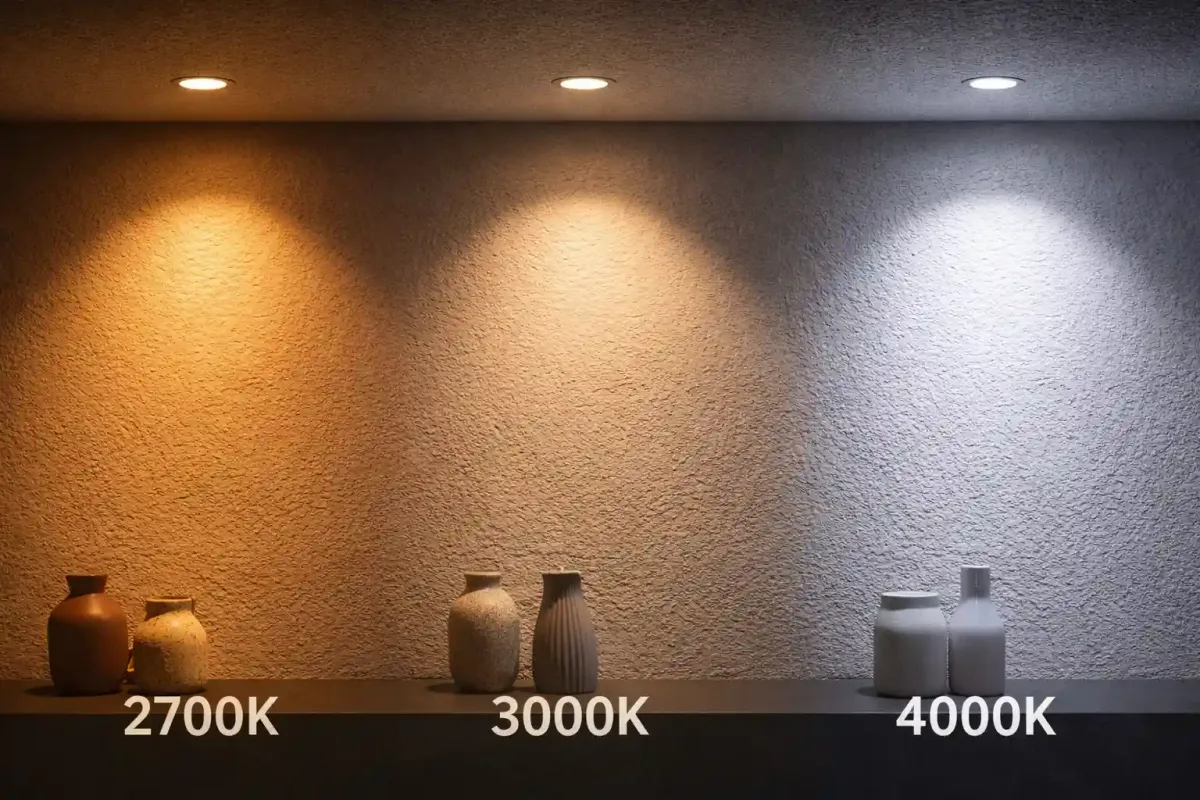
Image source: Bing (Web (fair-use with source credit))
| Kelvin | Warmth Read | Best For |
|---|---|---|
| 2200K | Candlelight | Bedside, dining, mood rooms |
| 2700K | Warm white | Living rooms, woodwork, art |
| 3000K | Soft white | Kitchens, task areas |
| 4000K+ | Cool white | Avoid in period interiors |
The other number that matters is CRI (Color Rendering Index). Manufacturer specs confirm that CRI 90 or higher keeps original oil paintings, textiles, and stained wood reading true. CRI 80 bulbs will make a walnut sideboard look flat and slightly green.
Scale and Proportion Against Old Ceilings and Trim
Measure your ceiling height before you buy. Period homes often sit between 8 and 10 feet. Victorian parlors sometimes run 10 to 12 feet.
A modern table lamp should sit roughly 20 to 32 inches tall, with a shade diameter of 14 to 18 inches. A floor lamp typically lands between 50 and 65 inches. If the lamp's top shade edge sits higher than your window head height, it will look out of scale.
Shade Shape, Metal Finish, and How They Read Next to Period Detail
Shade shape is your fastest visual tell. Modern drum shades read as contemporary. Empire or tapered shapes nod gently to period silhouettes without pretending to be antiques.
A paper or linen drum paired with brass works beautifully in a Craftsman bungalow. The same drum against polished chrome in a Colonial Revival reads cold.
Metal finish should echo existing hardware. Unlacquered brass, aged bronze, and matte black are forgiving. Chrome and bright nickel are hard to place against warm interiors.
Cord Visibility and Light Layering
A visible cord cuts across the visual line of an old room faster than almost anything else. We'll cover cord management in detail later, but the principle starts here: a lamp that requires a cord should be sited where a cord can disappear.
Light layering is the final visual cue. Historic rooms were designed for gas or early electric light, which was dim and pooled in small areas. Flooding the room with one bright modern fixture fights that intention.
Where Modern Lamps Actually Earn Their Place in an Old House
Not every room needs the same treatment. Some spaces reward a modern lamp as a clear stylistic anchor. Others want it tucked out of the visual conversation entirely.
Table Lamps: Bedside, Reading Nook, Console
Table lamps are the safest place to introduce a modern piece. A sculptural table lamp on a console, or a mushroom-style beside a period bed, creates an intentional moment. Just confirm the base footprint fits the surface, and the top of the shade sits near eye level when you're seated.
Floor Lamps: Corners, Low-Ceiling Rooms, No-Outlet Zones
Floor lamps shine in rooms where a ceiling fixture is missing or too dim. Corners work especially well because the cord can run along the wall behind furniture. In low-ceilinged rooms, an arc lamp is usually wrong.
Choose a straight column or tripod design instead.
Plug-In Sconces and Picture Lights
Plug-in sconces solve the oldest problem in historic homes: no wall box, no permission to cut into plaster. Picture lights do similar work for art, highlighting original paintings without requiring new wiring.
Accent and Sculptural Pieces as Deliberate Contrast
A modern sculptural lamp can be the visual reward of a room. Put it where it will be seen: a hallway landing, an empty corner, or an entryway console. One statement lamp per room is plenty.
Two starts arguing with each other.
The Styling Process, Step by Step
Six steps, in this order. Skipping ahead almost always costs you a return label.
Step 1: Assess the Room and Its Existing Light Sources
Walk the room at night with overhead lights off. Note where natural light lands during the day and where shadows pool at night. Identify every existing fixture: ceiling, sconce, window.
Write it down. You're mapping where you actually need new light.
Step 2: Choose Kelvin and CRI Before You Choose the Fixture
Pick your light quality first. For most period interiors, 2700K at CRI 90+ is the target. Confirm dimmability against your dimmer or smart-plug setup before buying anything.
If you don't have a dimmer, buy a plug-in one. Historic rooms live on dim light.
Step 3: Test Placement Before You Commit
Use masking tape on the floor to mark the lamp footprint. Better still, move an existing lamp into the spot and live with it for a night. Film the room on your phone with the lamp on.
Almost every scale error is obvious in a photo and invisible in person.
Step 4: Manage Cords Like They're Part of the Design
Cord management is a styling decision, not an afterthought. Fabric-wrapped cord covers, cable clips, and low-profile raceways along baseboards are the standard solutions. Historic preservation guidance discourages drilling into original trim, so favor adhesive clips in inconspicuous spots.
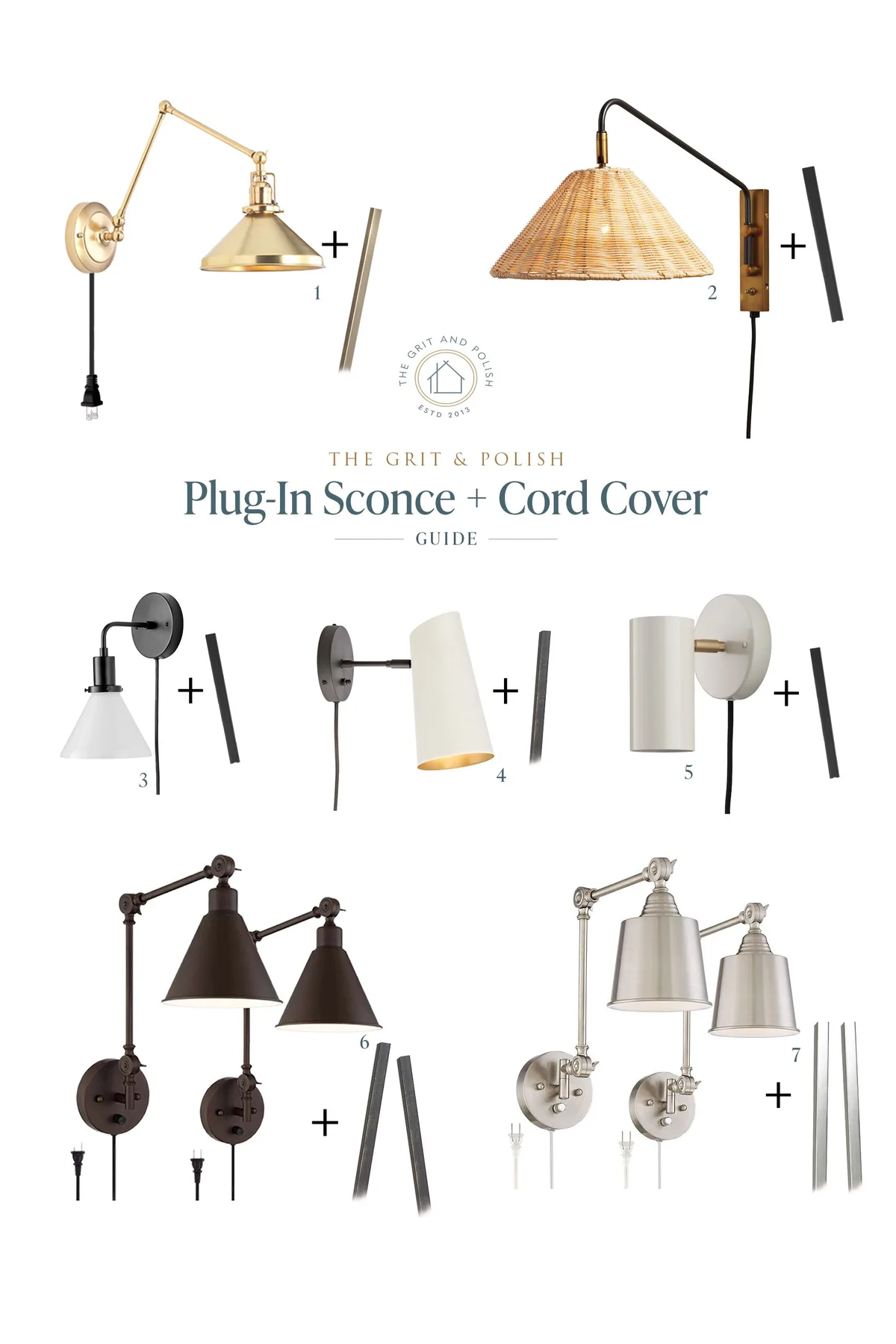
Image source: Bing (Web (fair-use with source credit))
Plug-in sconces are the cleanest visual fix of all. You get wall-mounted light with a cord that tucks behind furniture.
Step 5: Layer Ambient, Task, and Accent — In That Order
Ambient light comes first. That's the base glow, usually from a floor lamp or a pair of table lamps. Task lighting comes second: reading, cooking, or desk work.
Accent lighting comes last, aimed at art, plants, or architectural detail. Building in this sequence prevents the "one bright lamp" mistake.
Step 6: Photograph the Room and Adjust
Take one shot with the lamp off, one with it on. Compare against a wider shot from the doorway. If the lamp disappears into the room, it's right.
If it jumps out as "the new thing," either move it or swap the bulb to a warmer temperature.
Common Visual Mistakes That Give the Game Away
Most of the lamps that end up looking wrong failed on one visual variable, not five. Here are the ones our research keeps surfacing, plus the fix for each.
Cold White Bulbs Killing Original Woodwork
The most common offender is a bulb above 3000K. Flip the switch on a 4000K LED in a room with original oak trim and the whole scene goes grey and flat. The fix costs a few dollars.
Swap to 2700K at CRI 90 or higher and the room warms back up instantly.
Oversized Fixtures in Low-Ceilinged Rooms
If the top of the shade sits above your window head height, the lamp is too tall. Period homes often have low ceilings, especially upstairs bedrooms and hallways. Pull the lamp down or pick a shorter fixture.
Tragedy avoided.
Chrome and Matte Black Against Warm Brass Hardware
Cool metals fight warm interiors. If your original doorknobs, hinges, and light plates are brass or bronze, a chrome or matte-black lamp reads as a mismatch. Choose unlacquered brass, aged bronze, or blackened steel instead.
Too Many Lamps Flattening the Mood
Light layering exists because historic rooms were designed for dim, pooled light. Stacking four lamps in one room at full brightness flattens the mood and destroys shadow. Aim for one ambient source, one task source, one accent.
That's plenty.
Dragging Cords Across Original Floors
A cord snaking across a 100-year-old hardwood floor is the fastest visual tell of an unfinished job. Route cords along baseboards, behind furniture, or through fabric covers. If you can see the cord from the doorway, you're not done styling.
Old-House Wiring, Outlets, and Historic District Rules
Old wiring changes the decision tree. Before you plug anything in, know what your outlets can safely carry and what your district allows.
Knob-and-Tube, Ungrounded Outlets, and Safe Plug-In Loads
Knob-and-tube wiring has no ground wire and wasn't rated for modern loads. It's still legal to leave in place in many jurisdictions, but adding high-draw equipment to those circuits is risky. New LED lamps draw very little (often 8 to 15 watts), which is usually fine.
Heaters, vintage incandescent lamps, and anything over 100 watts should not go on an ungrounded circuit.
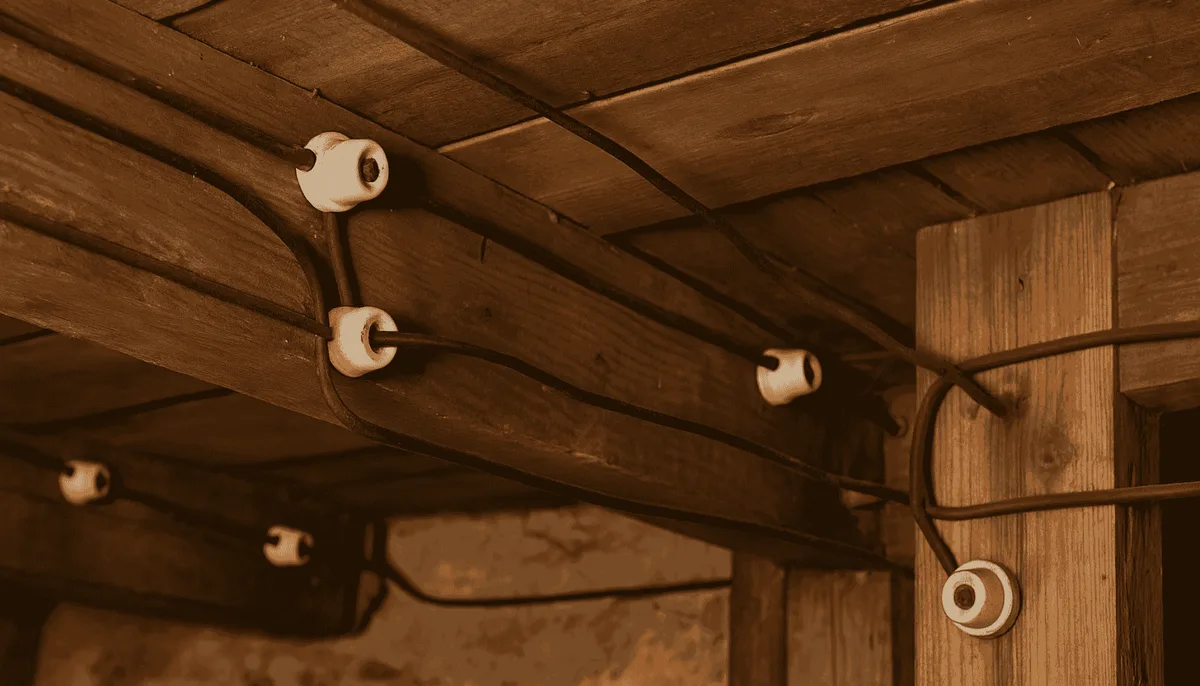
Image source: Bing (Web (fair-use with source credit))
Two-prong outlets are common in homes built before the 1960s. Adapters exist, but they only help if the outlet box itself is grounded. Never defeat the ground prong on a three-prong plug.
When to Call an Electrician
Call one if a breaker trips when you plug in a lamp. Call one if you smell burning at an outlet or see scorch marks. Call one before using a GFCI adapter on knob-and-tube.
Per NFPA 70 (the National Electrical Code), GFCI protection is required in certain locations, and an electrician can tell you whether your older circuits can support it.
What Landmark Commissions Actually Regulate
Local historic district rules focus on exterior and visible changes. Interior lamp choices are almost always outside their scope. Exterior porch lights, visible conduit, and new outdoor outlets usually need review.
The Secretary of the Interior's Standards for Rehabilitation are the benchmark many commissions use, and they favor reversible, non-damaging changes.
Frequently Asked Questions
What color temperature works best in a historic home?
2700K is the target for most period interiors. It flatters original woodwork, brass, and oil paintings without going as dim as candlelight. Reserve 2200K for bedside and dining mood lighting.
Avoid anything at 4000K or above.
Can I use a modern lamp if I can't rewire?
Yes. Plug-in table lamps, floor lamps, and plug-in sconces are all reversible and require no wall work. Use fabric cord covers or raceways along baseboards.
This is the standard approach for renters and preservation-restricted homes.
Will a modern lamp hurt my home's resale value?
Not if it reads as intentional. A well-scaled modern lamp with warm bulbs and period-adjacent finishes adds a layer of personality. Poorly scaled or cold-lit pieces read as "leftover," which buyers notice.
Style it deliberately and it helps.
How do I hide lamp cords without drilling into original walls?
Use adhesive cable clips, canvas cord covers, and low-profile raceways. Route cords behind furniture or along the gap between baseboard and floor. Preserve original plaster and trim whenever possible.
Is a modern lamp in a Victorian room ever a good idea?
Yes, when it's clearly modern and clearly deliberate. The failure mode is a modern lamp pretending to be antique. Pick one clean, sculptural piece, pair it with warm light, and let the contrast speak for itself.
How many lamps should one historic room have?
Three is usually the right number. One ambient source, one task source, and one accent light. More than that flattens the mood and erases the shadow play old rooms were designed around.
Fewer than two leaves the space feeling underlit at night.
Do smart bulbs work in old-house circuits?
They do, with one caveat. Smart bulbs need a minimum current draw to stay powered, so avoid pairing them with a dimmer that drops below that threshold. Lutron Caseta and Philips Hue both publish compatibility data.
For ungrounded outlets, smart bulbs are safer than dimmers because they draw so little.
Final Verdict: Modern Lamps Belong in Historic Homes, On Purpose, Not by Accident
The rule that governs everything here is deliberate contrast. A modern lamp that reads clearly as modern honors the room. A modern lamp dressed up as a fake antique insults it.
Start with light quality. Lock in 2700K at CRI 90 or higher before you look at a single fixture. Then match scale to your ceiling height, finish to your existing hardware, and shade shape to the room's mood.
Layer ambient, task, and accent in that order and stop when the room feels finished.
If you're in a historic district, check your landmark commission rules before any exterior change. Inside the walls, plug-in lamps and cord management keep you reversible and safe. If the wiring looks questionable, call an electrician.
That's not a styling decision, it's a safety one.
Done right, the modern lamp becomes the room's signature, not its mistake.

Similar Posts