Nairobi Townhouse Interior Ideas: Style Your Home
Nairobi townhouse interior ideas start with one hard truth: most show units are staged for photos, not for how you'll actually live in the space. Narrow footprints, shared walls, and equatorial light make these homes feel very different once the cameras leave. Get the bones right and the pretty stuff falls into place.
In our research across Nairobi's townhouse belts, the average unit runs 120 to 200 square metres across two or three floors. Per Kenya Bureau of Standards (KEBS) guidance, you want wipeable, matte finishes rather than textured ones, because Nairobi's dry-season dust settles fast. Let's start with what actually makes these homes different.
nairobi townhouse interior ideas
Nairobi townhouse interior ideas work best when they suit your space, your lease, and your budget. Start with paint, lighting, and floor protection first. Add furniture and custom joinery second.
Match finishes to Nairobi's dust and long rains. Keep every choice renter-friendly if you don't own the unit.
What Makes a Nairobi Townhouse Different From Any Other Home
A Nairobi townhouse is a multi-level home with shared side walls, usually inside a gated compound. That distinguishes it from a maisonette, which is semi-detached with its own entrance. The layout difference matters the moment you start planning interiors.
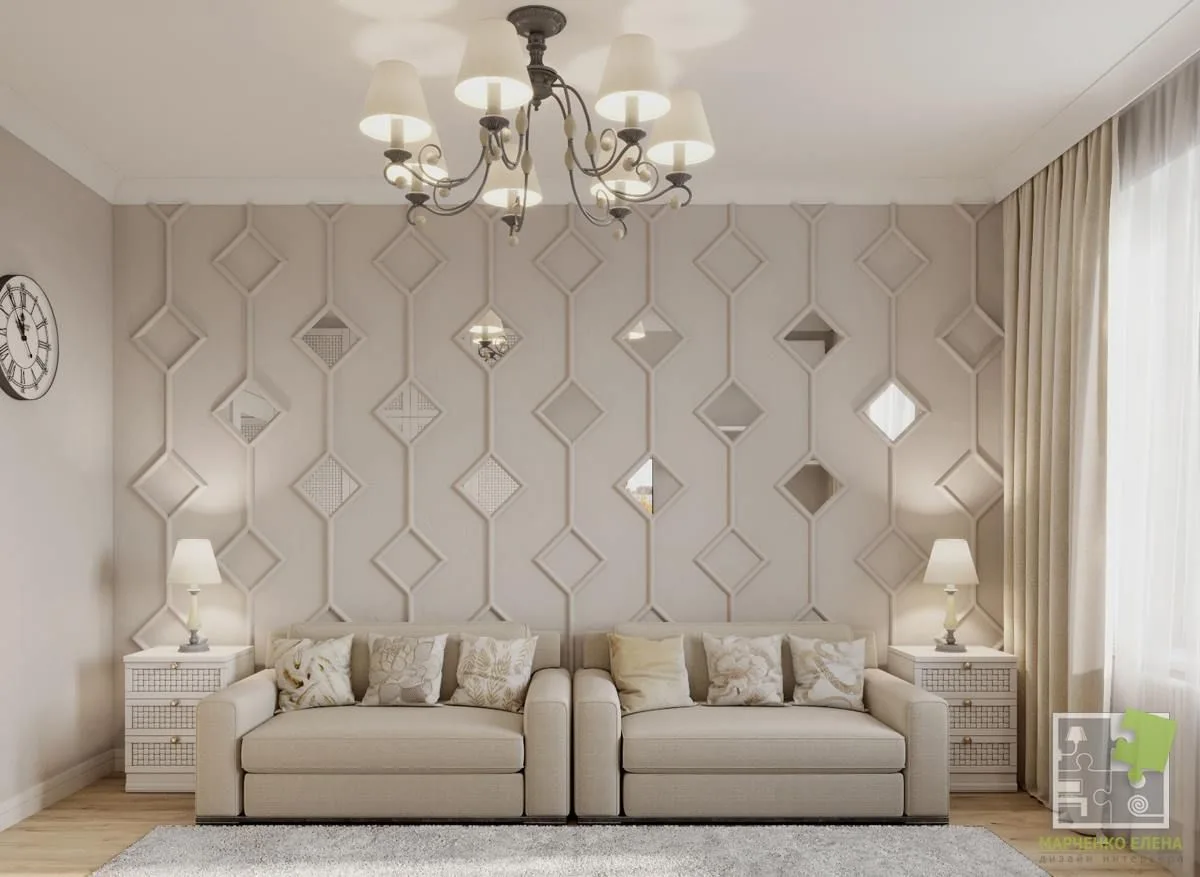
Image source: Bing (Web (fair-use with source credit))
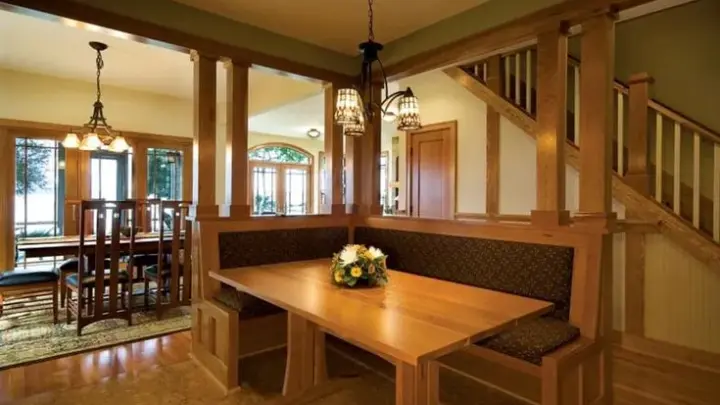
Middle units often have light only at the front and back. Your living room gets strong morning light on one side and heavy shade on the other. That split forces you to plan lighting in layers, not as a single overhead fixture.
Shared walls also mean limited options for niches or recessed shelving. You can't cut into a party wall, and most tenancy agreements ban it outright. Freestanding and surface-mounted storage become your friends.
Then there's the climate. Nairobi sits almost on the equator, so you get two rainy seasons and two dusty dry spells. Your finishes need to survive both.
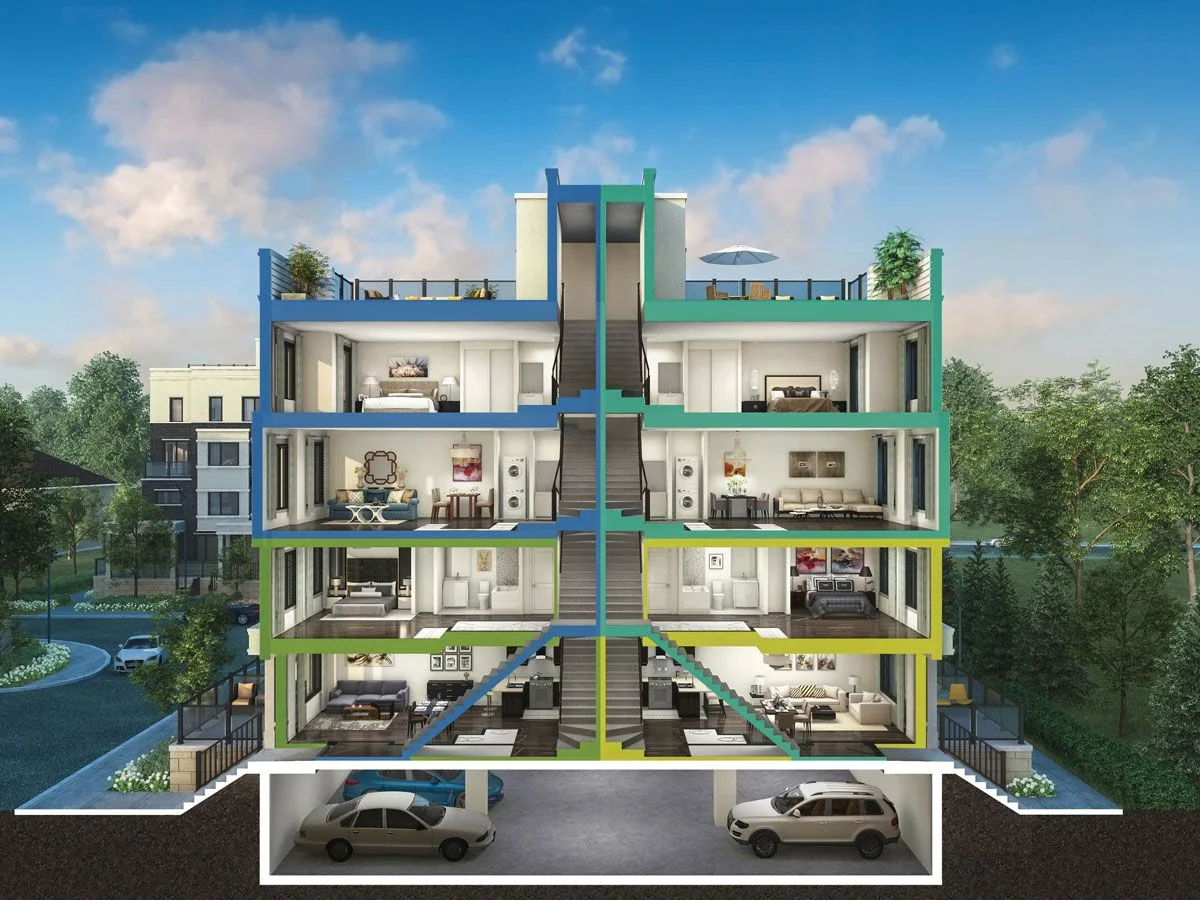
Image source: Bing (Web (fair-use with source credit))
Here's how the common Nairobi home formats compare:
| Home type | Walls | Light | Best for |
|---|---|---|---|
| Townhouse | Shared both sides | Front and back only | Compact urban living |
| Maisonette | Semi-detached | Three sides | Families wanting more light |
| Bungalow | Detached | All four sides | Single-floor living |
Knowing which one you're in shapes every decision that follows.
The 6 Zones Every Nairobi Townhouse Has (And How to Treat Each One)
Treat each zone by function first, style second. A townhouse has six distinct areas, and each one faces different light, moisture, and traffic. Get these right and the whole home feels intentional.
Living Room — The Room Everyone Sees First
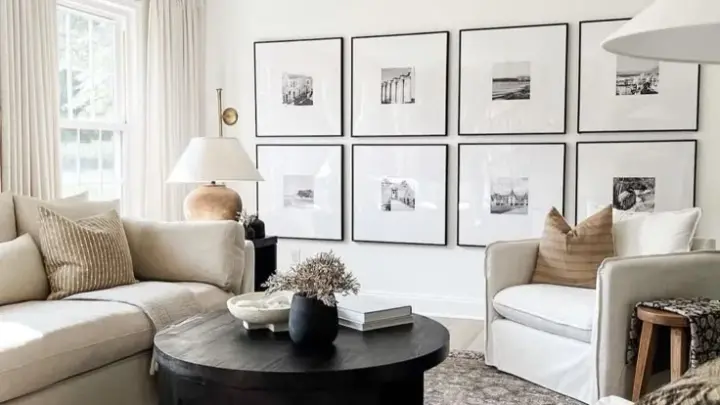
The living room does the heaviest social work. Anchor it with one statement piece, usually the sofa or a rug, then keep everything else quiet. If your unit is narrow, choose a slim TV console and wall-mount where your lease allows.
Kitchen — Where Dust, Grease, and Long Rains Meet
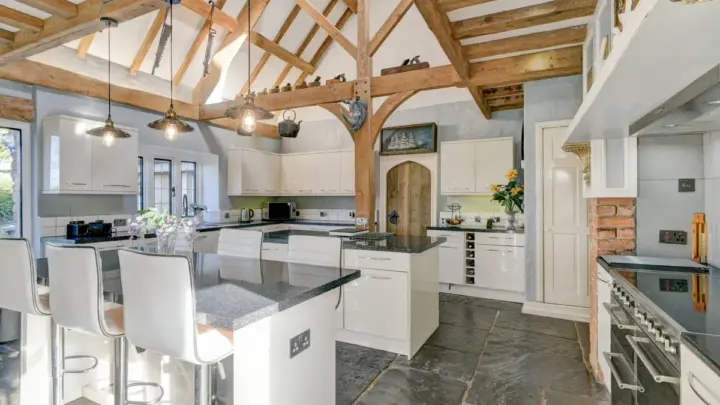
Moisture and grease are the two enemies here. Choose water-resistant counters and wipeable cabinet finishes. A breakfast counter earns its keep in narrow townhouses, doubling as dining and prep space.
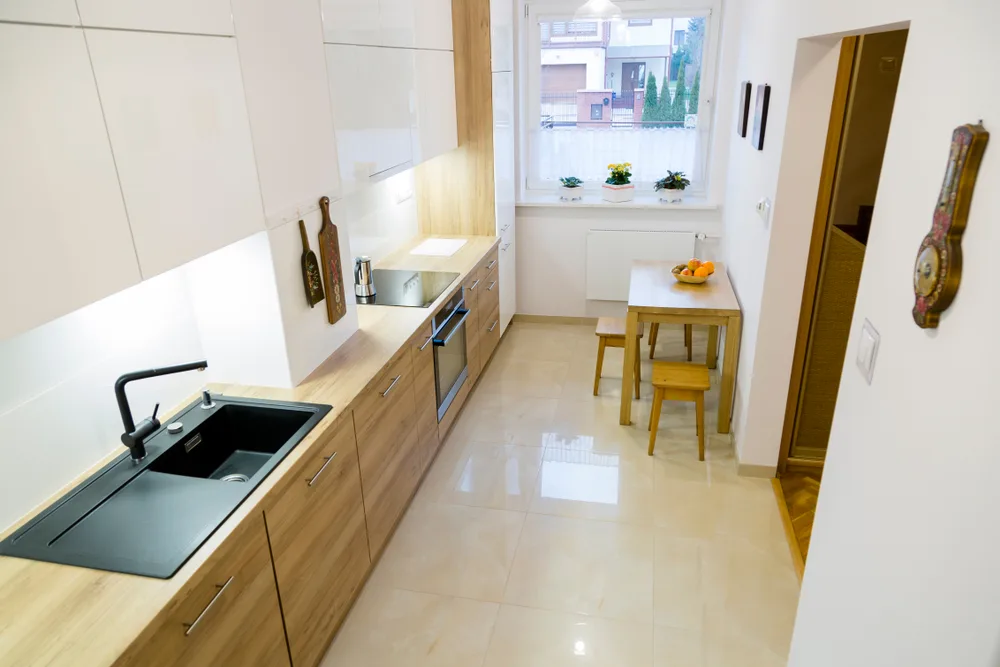
Image source: Bing (Web (fair-use with source credit))
Bedrooms — Light Control and Storage First
Bedrooms need blackout curtains and built-in storage. Nairobi's east-facing windows flood rooms early, which helps you wake up but ruins sleep-ins. Full-height wardrobes recover vertical space that floor units waste.
Bathrooms — Small, Humid, and Easy to Get Wrong
Bathrooms are small and steamy. Skip wallpaper, choose anti-mould paint, and add an extractor fan if there isn't one. Moisture spreads fast during the long rains.
Staircase, Landing, and Under-Stair Space
That dead zone under the stairs is prime real estate. Fit a compact desk, shoe storage, or a pantry nook. Light the treads with a simple strip or low-level LEDs for safety.
Balcony, Verandah, and Courtyard
Outdoor space needs weatherproof materials. Choose UV-resistant fabrics, treated timber, and easy-drain planters to handle both sun and rain.
Renter vs. Owner: Which Ideas You Can Actually Pull Off
If you rent, your scope is smaller than you think. If you own, you can go structural. Match your plan to your lease before you spend a shilling.
Renter-friendly moves:
- Peel-and-stick wallpaper and vinyl tiles
- Freestanding furniture and modular shelving
- Floor lamps and plug-in pendants
- Rugs and curtains for colour and light control
- Removable adhesive hooks instead of drilled fixings
Owner-only moves:
- Gypsum ceilings and built-in wardrobes
- Tile or vinyl flooring replacement
- Feature walls and textured plaster
- Recessed lighting and additional sockets
- Custom kitchen cabinetry
Read your tenancy agreement first. Most Nairobi leases require landlord approval for any drilling or permanent change, and breaching that can cost you your deposit.
Materials That Survive Nairobi Light, Dust, and Rain
Materials decide how long your interior stays looking good. Nairobi's climate punishes the wrong ones fast. Here's how the main options stack up.
Floors — Porcelain, Ceramic, Vinyl, Laminate
Porcelain wins on durability and moisture resistance. Ceramic is cheaper but softer. Vinyl handles spills well and feels warmer underfoot.
Laminate looks great but hates water, so avoid it in kitchens and bathrooms.
Walls — Paint, Texture, Wallpaper, Panels
Matte emulsion is the practical default, and it hides wall imperfections better than gloss. Crown Paints and Basco are the local names you'll see on most shelves. Textured plaster and PVC panels work well behind kitchen counters.
Wallpaper should stay out of humid rooms entirely.
Ceilings and Lighting — Gypsum, Cove, and Backup Power
A gypsum drop ceiling with cove lighting gives you control and hides wiring. LED colour temperature matters, so pick 3000K for warmth in living spaces. Add solar or inverter backup if you want the lights to stay on during outages through EPRA-regulated supply.
What It Costs to Refresh a Nairobi Townhouse (Real Numbers)
Costs depend on scope, not style. A paint-and-lighting refresh costs a fraction of a full renovation. Below is what our research suggests you budget.

Image source: Web (Bing) / nobroker.in (Web image (fair-use with source credit))
| Item | Unit | Typical cost (KES) |
|---|---|---|
| Emulsion paint | Per litre | 350–900 |
| Porcelain tiles | Per sqm | 700–2,500 |
| Vinyl flooring | Per sqm installed | 1,200–2,800 |
| Gypsum ceiling | Per sqm installed | 1,200–2,000 |
| Custom BIC wardrobe | Per unit | 35,000–90,000 |
Budget tiers break down simply. Under KES 100k covers paint, lighting, and textiles. Between 100k and 300k adds flooring and some furniture.
Above 300k unlocks custom joinery and full-room rebuilds. Most homeowners overspend on the living room and underspend on bedrooms, which leaves the home feeling unfinished.
Visual Mistakes That Make Townhouses Feel Smaller and Darker
Wrong proportions shrink a room faster than wrong colours. In our research, the most common culprits are oversized furniture, single overhead lights, and heavy dark curtains. Each one eats space your townhouse can't spare.
Oversized sofas are the biggest offender. A three-seater that looks modest in a showroom can swallow a narrow living room whole. Measure your wall run before you buy.
Leave at least 60 centimetres of walking space around every piece.
Single ceiling lights flatten a room and cast harsh shadows. Layer your lighting instead with a ceiling fixture, floor lamp, and a warm accent light. This is especially important in middle units with limited daylight.
Heavy dark curtains block the light you do get. Choose lighter sheers for daytime and layer blackout behind them for privacy. Hang curtain rails close to the ceiling to make rooms feel taller.
Too many small décor pieces create visual clutter. Group three items of different heights instead of scattering ten. Keep walls at least 60 percent clear so your eye has somewhere to rest.
Where to Source Furniture, Tiles, and Fabrics in Nairobi
Nairobi has distinct sourcing hubs, and each one fits a different budget. Know what you're walking into before you go.
Ngara is the go-to for furniture, fabrics, and custom upholstery. You'll find independent workshops and can negotiate on the spot. Quality varies, so inspect joinery and fabric before paying.
Gikomba suits budget buyers. Expect secondhand and imported pieces at low prices. Inspect for damage, damp, and pests, and don't pay until you've physically checked the item.
Kamukunji handles wholesale and hard-to-find items. Bring exact measurements and be ready to bargain. Industrial Area is where you'll find tiles, sanitaryware, and paint close to source.
Tile & Carpet Centre, Crown Paints, and Basco are reliable retail names. They're pricier than open markets but give you warranties and consistent stock. For smaller budgets, M-Pesa payment plans with local suppliers are common across these hubs.
FAQs About Nairobi Townhouse Interiors
Can I decorate a Nairobi townhouse if I rent?
Yes, with limits. Stick to peel-and-stick finishes, freestanding furniture, and plug-in lighting. Get written landlord approval before any drilling.
Permanent changes usually forfeit your deposit.
How much does it cost to refresh a 3-bedroom townhouse in Nairobi?
A paint-and-lighting refresh runs KES 50,000 to 100,000. Adding flooring and furniture pushes it to KES 150,000 to 600,000. Custom joinery is the biggest single cost.
What flooring works best for Nairobi's dust and rain?
Porcelain tile handles both best. It wipes clean, resists moisture, and won't warp in humid rooms. Vinyl is the next practical choice, especially in bedrooms.
How do I make a narrow townhouse living room feel bigger?
Choose slim furniture, layer your lighting, and hang curtains close to the ceiling. Keep walls mostly clear and use one large rug instead of several small ones.
Do I need a professional interior designer in Nairobi?
Only for full renovations or custom joinery. Paint, lighting, and furniture placement you can handle yourself. For anything structural, hire someone with verifiable references.
How long does a typical townhouse refresh take?
Paint takes 3 to 5 days. Tiles take 5 to 10 days per zone. Custom wardrobes run 2 to 4 weeks.
Plan around Nairobi's long rains from March to May.
Final Word: Design for Your Lease, Your Light, and Your Dust
Every good decision in a Nairobi townhouse comes back to three things. Your lease sets what you can change. Your light direction tells you where to add warmth.
Your dust tells you which finishes will survive.
Start with paint, lighting, and floor protection. Add furniture and joinery once the bones feel right. Source locally where it makes sense, and inspect everything before you pay.
Get those basics right and your townhouse will feel calm, finished, and genuinely yours. Not staged for a photo, but built for how you actually live.

Similar Posts