Rangpur Family Home Interior Ideas: Cozy & Modern
Many families in Rangpur start with a Pinterest board and end up with rooms that feel hot, cramped, and wrong for how they actually live. If you've been searching for rangpur family home interior ideas, you already know the problem. Pretty pictures rarely account for monsoon damp, narrow plots, or three generations sharing one roof.
The fixes are simpler than the mood boards suggest.
Our research into hot-humid housing points to one rule: ventilation and moisture control come before color and decor. Per Bangladesh National Building Code (BNBC) guidance, habitable rooms need cross-ventilation and natural light as a baseline requirement, not an upgrade. Get those two right, as of 2026, and every other decision gets easier.
Here's how that plays out, room by room.
rangpur family home interior ideas
rangpur family home interior ideas start with climate-first choices, not trends. Prioritize cross-ventilation, moisture-resistant materials, and flexible multi-generation layouts. Use jali screens and fans before air conditioning.
Pick anti-skid flooring and anti-fungal paint. Keep prayer corners and guest seating built in. Match every finish to Rangpur's humid, monsoon-heavy climate.
What Actually Works in a Rangpur Home (And What Just Looks Good on Pinterest)
Some ideas survive Rangpur's climate. Others look great for one dry season and then peel. In our research, the difference usually comes down to three things: airflow, moisture, and whether a room can flex for a joint family.
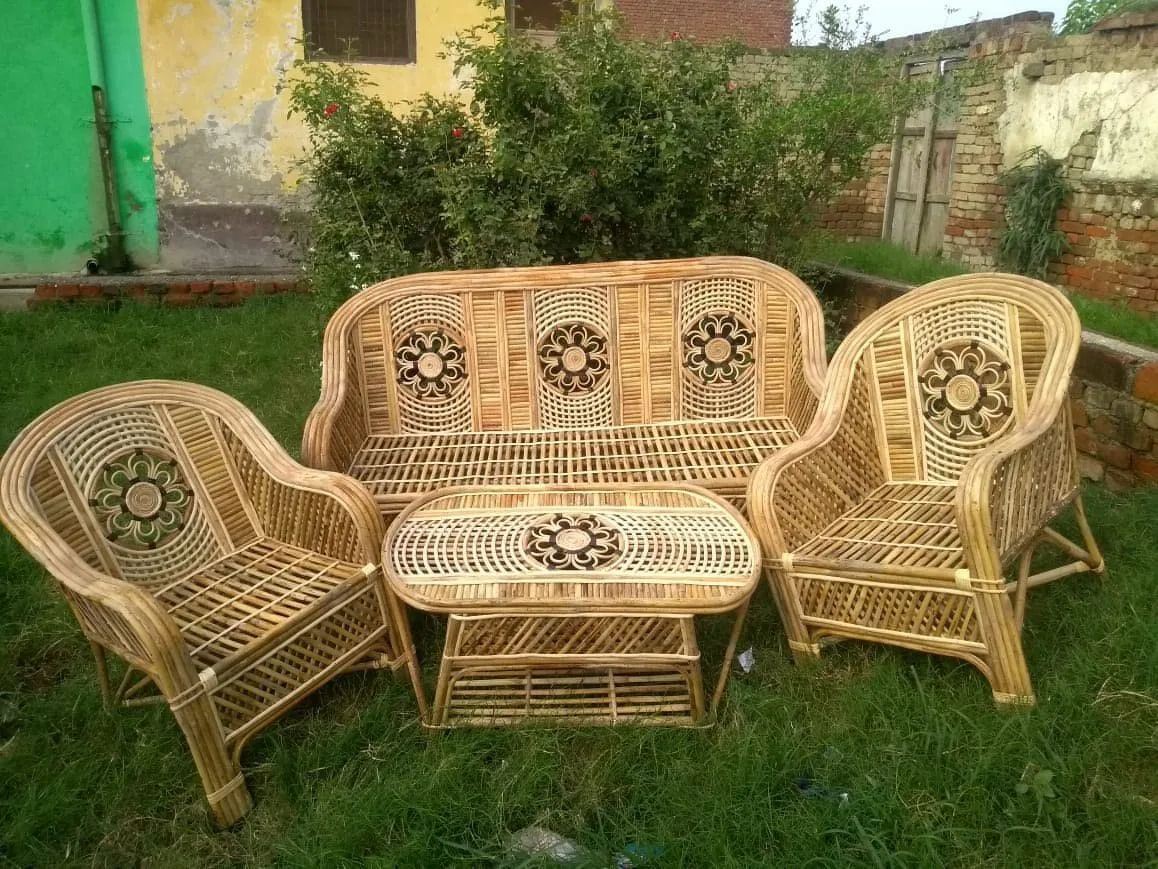
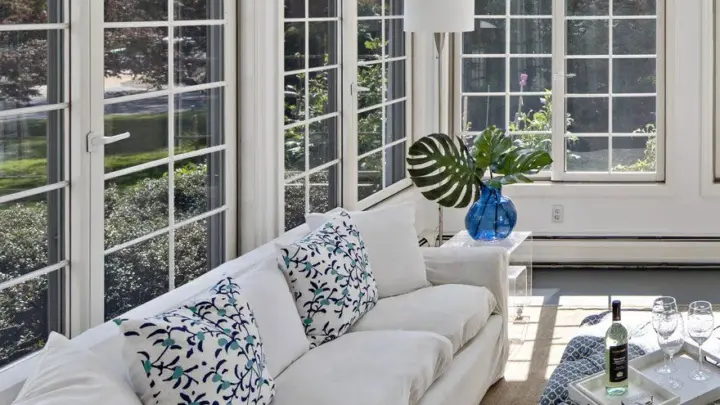
Image source: Bing (Web (fair-use with source credit))
Here's what tends to hold up well:
- Lime-washed or microcement walls. They "breathe" and resist the mold that builds up in humid corners.
- Cane, rattan, and teak furniture. All three handle humidity far better than particle board.
- Anti-skid matte floor tiles. Safer in monsoon, easier to clean, and they hide dust well.
- Ceiling fans with 4,000 to 7,000 CFM. This range comfortably cools a standard 10×12 ft bedroom.
- Built-in storage under beds and along walls. Joint families always need more storage than they think.
And here's what usually disappoints:
- Glossy white walls. They show every streak, handprint, and monsoon stain.
- Vinyl and laminate flooring. Edges swell within one or two wet seasons.
- Heavy velvet or dark fabric. It traps dust and holds damp odor.
- Elaborate false ceilings in low rooms. They block airflow and cost money to fix later.
- Showpiece furniture with no function. It just becomes a dust collector in a busy family home.
Start With the Bones: Climate, Plot, and Family Before You Pick a Single Color
The bones of your home decide what's possible. Rangpur runs hot and humid from April through September, with heavy monsoon rain from June to September and a mild dry winter. That pattern shapes everything you'll choose.
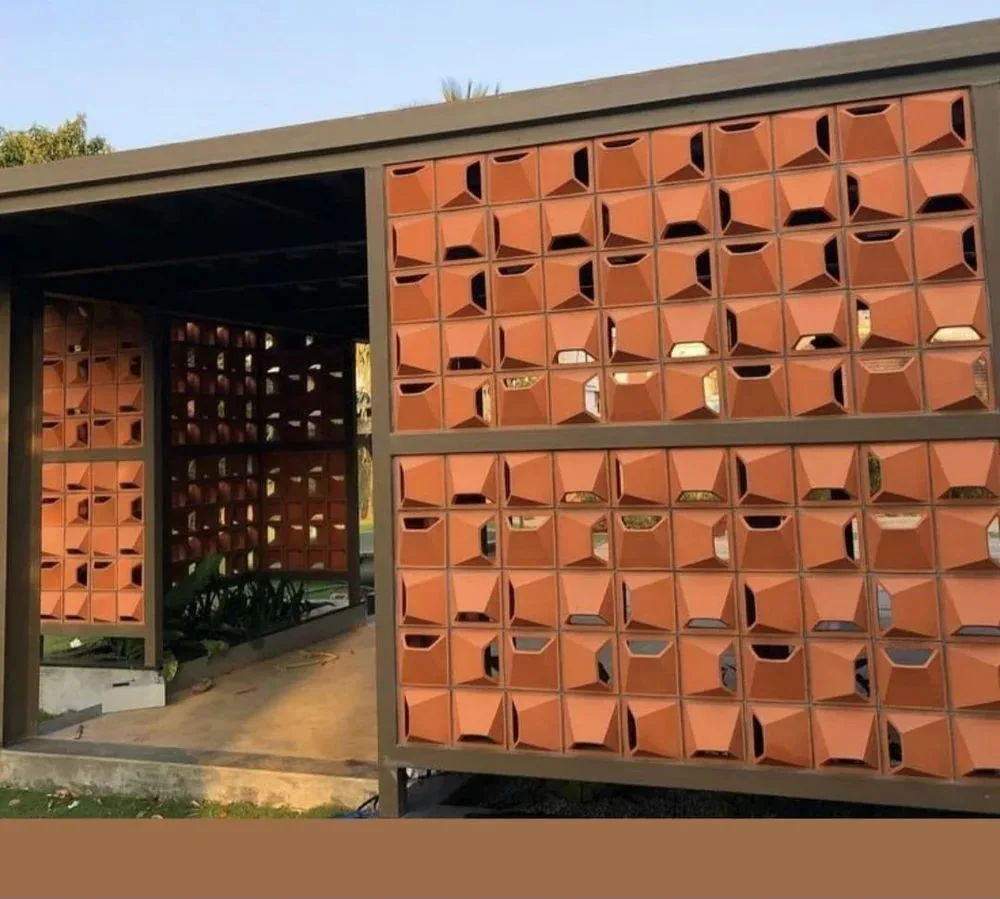
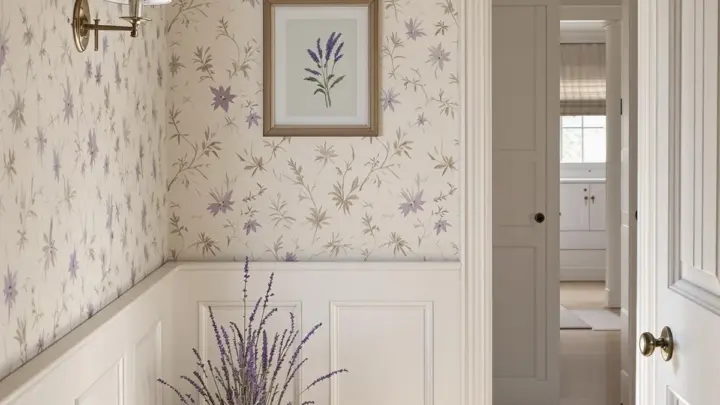
Image source: Bing (Web (fair-use with source credit))
A jali, which is a perforated screen panel, is one of the smartest tools here. It lets air move while cutting glare and giving privacy. If your windows face south or west, a jali screen can drop room temperature noticeably without any power use.
Now look at your plot. Many Rangpur homes sit on narrow frontage plots that are deep rather than wide. That shape blocks airflow through the middle of the house.
If that's you, then it helps to keep interior doors open and add a courtyard or light well where you can.
Family structure matters just as much. Ask who actually lives here and how they use space:
- Do grandparents need a ground-floor room with easy access?
- Does the family host guests and religious gatherings often?
- Do children share rooms, or does each need privacy as they grow?
- Is there one cook, or does more than one person use the kitchen?
Answer those before you buy a single tile. The rooms should follow the family, not the other way around.
The Living Room and Baithak: Layouts, Seating, and Finishes That Photograph Well
A living room photograph looks empty and calm. A real Rangpur baithak on a Friday evening holds twelve people, a tea tray, and somebody's sleeping toddler. Design for the second scene, not the first.
Seating comes first. A U-shape or L-shape arrangement around a central table keeps conversation easy and leaves floor space for prayer or extra guests. If your room is narrow, then place seating along one long wall and keep the opposite side open as a walkway.
For finishes, our editorial analysis of tropical interior guidance favors a few safe picks:
- Matte or satin wall paint in warm neutrals. Off-white, sand, soft terracotta.
- Floor tiles in matte finishes with a subtle pattern. They hide dust and monsoon grit.
- Cotton or khadi upholstery covers. Washable, breathable, and easy to swap.
- Layered lighting. One ceiling fan light, two warm LED wall sconces, and a floor lamp for evenings.
A photo of a good baithak shows clear walkways, warm light at eye level, and at least one piece of local craft. A nakshi kantha throw or a terracotta vase does more for the room than any imported accent.
If you want a rule, use this: cozy beats perfect. If a guest can find a seat without moving furniture, you got it right.
Kitchen, Dining, and Prayer Corner: Where Function Beats Decoration
Kitchens and prayer corners are the two rooms where clutter causes real problems. One is a working space with heat, water, and grease. The other needs cleanliness and quiet.
Both reward simple, sturdy choices over decorative ones.
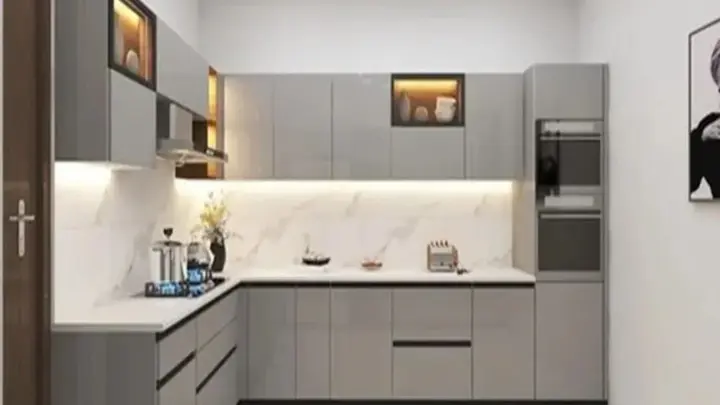
For the kitchen, an L-shape or parallel layout works best in a typical 8×10 ft Rangpur kitchen. Keep the stove, sink, and refrigerator in a triangle so no cook walks more than a few steps between them. Use the following material picks:
- Anti-skid ceramic floor tiles. Safe around water, easy to mop.
- Stainless steel or granite countertops. Heat-resistant and simple to sanitize.
- Marine plywood for cabinets, not standard ply. It resists moisture far better.
- A working chimney or exhaust fan vented outside. Grease buildup is a fire risk, and BNBC and fire-safety standards expect proper kitchen ventilation.
For the dining area, a rectangular table with bench seating on one side saves space. If your family eats on the floor sometimes, then leave a clear open area beside it. A jute mat stored nearby makes that easy.
The prayer corner deserves its own plan. Set it away from traffic and bathroom walls. A niche with a small shelf, a clean rug, and soft lighting is enough.
If the family prays together daily, then a dedicated 6×6 ft room beats a corner nook.
One warning: never run gas lines or cylinders close to a prayer space or bedroom. Keep gas cooking separate and well-ventilated.
Bedrooms and Shared Spaces: Privacy, Storage, and Comfort Across Generations
Most Rangpur family homes share bedrooms, so privacy is the hardest thing to design. You can't add walls cheaply, but you can add layers. A tall wardrobe, a bookcase, or a curtain track can split a room into two zones without any structural work.
Storage is the other big issue. In our review of South Asian family layouts, under-bed storage and full-height wardrobes solve more clutter than any decorating trend. If the ceiling is 10 ft or higher, then extend wardrobes all the way up.
That extra height stores winter quilts and travel bags out of sight.
For comfort across generations, keep a few basics in mind:
- Grandparents' room on the ground floor, near a bathroom.
- Grab bars and anti-skid mats in the bathroom if elders live at home.
- A low night light in every bedroom for safety at night.
- Child-safe socket covers and rounded furniture edges if small kids share the room.
Bedroom climate matters too. A single fan in a shared room often isn't enough. If two or three people sleep in one space, then plan for two fans or one fan plus a small window for cross-air.
Humid nights are the real test, not hot afternoons.
For couples, a soft neutral palette calms the room. For children, a brighter accent wall works, but choose anti-fungal paint on any wall that faces outside. Keep beds off the floor on a simple frame.
It improves airflow underneath and protects the mattress from damp.
Veranda, Courtyard, and Rooftop: The Outdoor Rooms Nobody Talks About
Rangpur homes often have three outdoor spaces people forget to design. The veranda, the courtyard (uthan), and the rooftop are where families actually spend cool mornings and warm evenings.
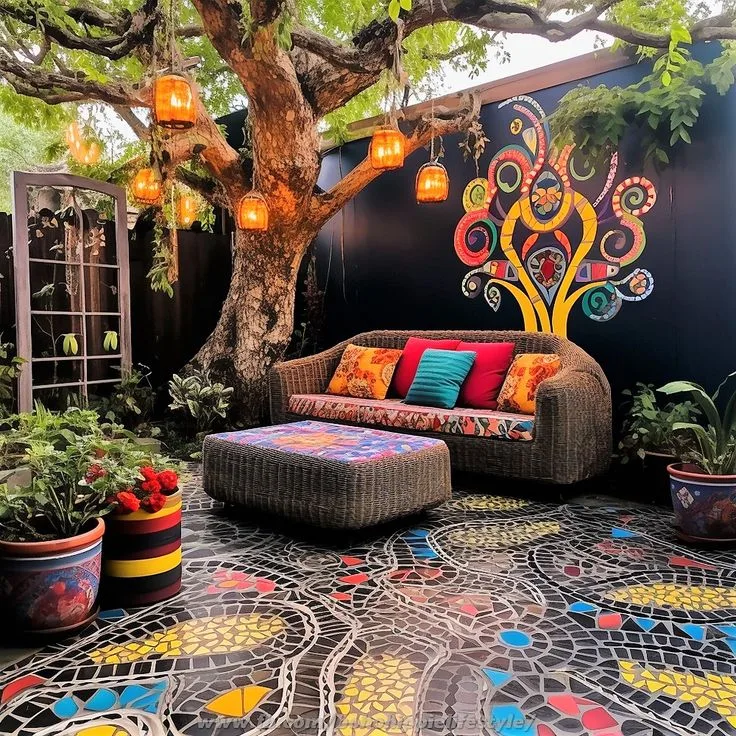
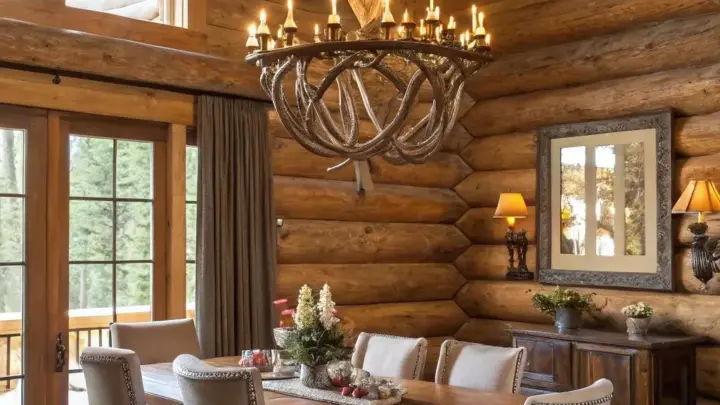
Image source: Bing (Web (fair-use with source credit))
For the veranda, low seating beats tall chairs. A built-in bench with cotton cushions, a small tea table, and a ceiling fan turn it into a real room. If your veranda faces the afternoon sun, then add a cane screen or climbing plant on a light frame.
That blocks heat without blocking air.
The courtyard is Rangpur's original cooling system. An open centre pulls hot air up and out while cooler air moves in from the sides. If you have a courtyard, keep it uncluttered.
Plants, a small water feature, and floor seating work well. Avoid paving the whole thing in dark stone.
Rooftops need shade before anything else. A pergola, a shade net, or a simple tin canopy makes the space usable from morning to evening. Use lightweight, water-resistant furniture up there.
Rattan or powder-coated metal handles sun and rain far better than untreated wood.
One maintenance note: check terrace drainage before monsoon. Water pooling on a flat roof finds its way inside within a season.
Materials, Colors, and Lighting: A Visual Palette That Survives Monsoon Season
A good palette for Rangpur homes starts with heat reflection and humidity resistance. Light exterior colors bounce sunlight. Warm interior neutrals hide dust between cleanings.
For walls, our analysis of tropical building guidance favors lime plaster, microcement, and low-VOC anti-fungal paints. All three handle damp air better than standard emulsion. Manufacturer specifications for exterior paints typically list 5 to 7 years of protection, so plan for a repaint cycle rather than a one-time job.
Floor picks follow the same logic:
- Matte porcelain tiles for living areas. Slip-resistant and easy to mop.
- Terrazzo or polished concrete in verandas. Cool underfoot and long-lasting.
- Anti-skid ceramic in kitchens and bathrooms. Non-negotiable near water.
For colors, keep the base neutral and pull warmth from textiles. Soft sand, off-white, pale olive, and dusty terracotta read well in Rangpur light. Add color through cushions, rugs, and one feature wall, not every surface.
Lighting should be layered. Ceiling fans with light kits handle general brightness. Warm LED wall sconces at 2700K to 3000K soften evenings.
Under-cabinet strips in the kitchen reduce shadow when you're chopping.
A photo of a well-lit Rangpur room shows three light sources at different heights. A photo of a badly lit one shows a single harsh ceiling bulb. That contrast tells you everything.
Common Mistakes That Wreck a Rangpur Home Makeover
The most common mistake is choosing finishes for looks and ignoring climate. Glossy paint, laminate flooring, and dark upholstery all fail fast in humid air. Swap them for matte paint, porcelain tiles, and washable cotton.
That single shift saves years of repainting.
The second mistake is blocking airflow. False ceilings, closed-off verandas, and sealed windows trap heat. Our research into hot-humid housing shows cross-ventilation drops indoor temperature more than most people expect.
If you're adding a partition, leave a gap at the top for air to pass.
The third mistake is under-planning storage. Joint families outgrow cupboards within a year. Then clutter spreads across every surface and ruins the look.
Build full-height wardrobes and under-bed drawers from day one.
Other frequent errors include:
- Skipping waterproofing on wet-area walls and rooftops.
- Choosing tiles without checking anti-skid ratings.
- Running gas lines too close to bedrooms or prayer rooms.
- Hiring the cheapest contractor and accepting material substitutions.
- Forgetting grab bars and non-slip mats for elderly family members.
One more: renovating everything at once. Phase the work. Structure first, then surfaces, then furniture, then decor.
You'll spot problems before they get expensive.
Budgeting, Timelines, and Working With Local Mistris vs Designers
A cosmetic refresh in Rangpur can run one to two weeks for a single room. A full room rebuild takes four to eight weeks. Whole-home renovation usually runs three to six months, depending on material availability and labor.
Costs break into three rough tiers:
| Tier | What You Get | Best For |
|---|---|---|
| Economy | Local materials, basic tiles, carpenter-built furniture | Renters, first-time owners |
| Mid-range | Branded tiles, modular kitchen, quality paint | Most family homes |
| Premium | Imported fittings, custom carpentry, designer lighting | High-budget rebuilds |
Local mistris, the masons and carpenters, often deliver solid work at lower cost. They know regional materials and have built homes just like yours. A designer adds layout planning, sourcing help, and quality checks.
If your budget is tight, then hire a designer for a one-time layout and material plan, and let local labor execute it.
Always get written quotes with material brands and quantities listed. Vague quotes invite substitutions. Pay in stages tied to completed milestones, not upfront.
How do I pick the right option for my home?
Pick based on three questions. What's my total budget? How long can I live with disruption?
How much of the work can I supervise myself? If you can supervise daily, mistris alone work well. If not, hire a designer for at least the planning phase.
FAQs: Rangpur Home Interior Questions Everyone Asks
What interior style suits a Rangpur family home best?
Climate-first modern is the safest pick. Keep rooms open for airflow, use warm neutral walls, and add character through local craft like jute, cane, and nakshi kantha. Skip heavy imported styles that fight the humidity.
The result feels rooted and stays practical through every season.
How do I stop mold on interior walls during monsoon?
Fix the source before you repaint. Seal leaks, improve ventilation, and use anti-fungal paint on exterior-facing walls. Run exhaust fans in kitchens and bathrooms.
If mold keeps returning, then a dehumidifier in the worst room helps. Per WHO indoor air guidance, persistent damp needs structural repair, not just surface treatment.
Is false ceiling worth it in a Rangpur home?
Only if your ceiling is at least 10 ft high. Standard 9 ft ceilings lose too much height and airflow. If you want a similar effect, use a slim cornice or cove lighting instead.
That gives definition without trapping heat or eating space.
What flooring works best for humid weather?
Matte porcelain tiles win for most rooms. They resist water, clean easily, and offer slip resistance when rated for it. Terrazzo and polished concrete suit verandas and courtyards.
Avoid laminate and vinyl. Their edges swell and lift within one or two wet seasons.
How much should I budget for a full room renovation?
In Rangpur as of 2026, a mid-range bedroom renovation typically runs between BDT 1.5 to 3 lakh, depending on size, carpentry, and finishes. Kitchen renovations run higher because of plumbing, counters, and appliances. Always add a 15 to 20% buffer for surprises.
Final Decision Guide: Matching Ideas to Your Home, Family, and Budget
Start with the bones, then the budget, then the beauty. Climate, plot shape, and family structure set the limits. Cost and timeline decide the pace.
Style comes last, and it's the easiest part once everything else lines up.
If you're renovating one room, focus on airflow, moisture-resistant finishes, and storage. If you're doing the whole home, phase it over months and prioritize structure and waterproofing first.
Use local craft where you can. A cane chair, a terracotta pot, a kantha cushion. They cost little and anchor the space in something real.
Get the ventilation right and the rest follows. Your Rangpur home doesn't need to look imported. It needs to work for the people living in it, season after season.
Maintenance: Keeping a Rangpur Home Fresh Through Every Season
Monsoon is the real test. Check terrace and balcony drainage before June, and clear any leaf buildup from outlets. If water pools for more than a day, then seal the area before it seeps into walls.
Wipe walls in humid corners monthly. A diluted vinegar spray stops surface mold from spreading. Touch up anti-fungal paint on south and west faces every two to three years.
Wood furniture needs a light oil coat once a year. Teak and sheesham absorb it well and resist borer damage better. Cane and rattan just need a dry brush and a wipe.
Service ceiling fans before summer. Dusty blades cut airflow and strain the motor. Tighten any loose brackets at the same time.
Real Scenarios: What Two Rangpur Families Got Right and Wrong
One family in Rangpur renovated a 20-year-old three-bedroom home over five months. They kept the courtyard open, added jali screens to west windows, and used matte porcelain floors throughout. Their electricity bill dropped noticeably in the first summer, and no mold appeared after the first monsoon.
Their lesson: spend on ventilation and waterproofing before decor. That order saved them thousands later.
A second family rushed a single-room makeover in two weeks. They chose glossy white walls and vinyl flooring to save money. Within one wet season, the floor edges lifted and the walls showed streaks.
They redid both surfaces the following year at roughly double the original cost.
Their lesson: cheap finishes in humid climates cost more in the end. Slow down, pick climate-rated materials, and phase the work if the budget is tight.

Similar Posts