Open Pantry Ideas with Natural Baskets for Easy Storage
Open pantry shelving looks effortless when it's done right. But most people hit the same wall: baskets that don't fit, a palette that clashes, and dust in places they never expected. The truth is an open pantry with natural baskets is a design system, not a shopping list.
Get the measurements and materials right and it looks calm. Miss them and it looks chaotic.
Shelf depth is the number most people ignore, and it's the one that matters most. Standard kitchen shelves sit around 10 to 12 inches deep, and baskets wider than that overhang or lean. From our research, the basket diameter should run at least 1.5 to 2 inches narrower than the shelf on each side.
That gap is what makes the whole thing breathe. Let's walk through the rules before you buy a single thing.
open pantry with natural baskets
An open pantry with natural baskets uses woven storage made from rattan, seagrass, jute, or wicker instead of plastic or metal bins. The baskets sit on open shelves so contents stay visible and reachable. Match basket diameter to shelf depth, and keep a 1.5-inch gap on each side.
Choose one fiber tone for a cohesive look.
The Visual Rules That Actually Govern Open Pantry Storage
Open storage removes the safety net of a cabinet door. Every proportion is on display, so the eye reads imbalance fast. According to our editorial analysis of styled pantry photography, the shelves that look best follow three rules: consistent fiber, repeating basket sizes, and deliberate empty space.
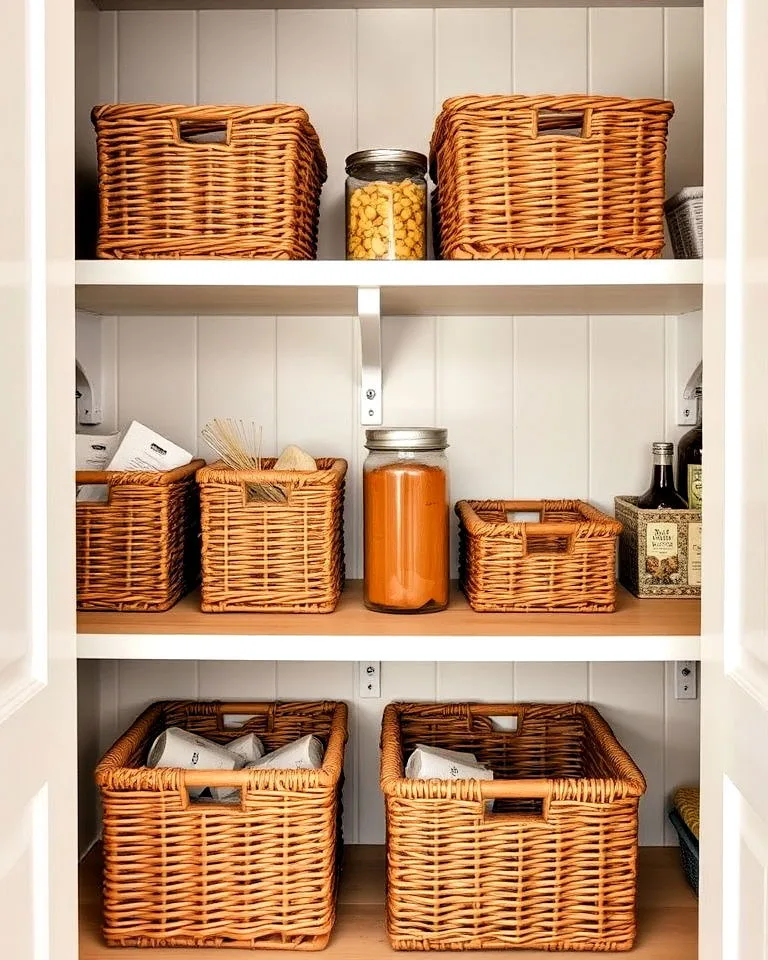
Image source: Bing (Web (fair-use with source credit))
Think of it as a rhythm, not a filler problem. If every shelf is packed edge to edge, the pantry reads as cluttered even when it's organized. You want gaps.
Those gaps do the styling work that color and texture can't.
Why Shelf Depth and Basket Diameter Have to Match
Basket diameter must be smaller than shelf depth, or the basket overhangs and looks unstable. A shelf at 11 inches deep takes baskets up to roughly 9 to 10 inches wide. Anything wider tips forward when someone bumps it.
Here's the working rule:
- Shelf depth 10 in: basket 8 to 9 in wide
- Shelf depth 12 in: basket 9 to 10 in wide
- Shelf depth 14 in: basket 11 to 12 in wide
- Shelf depth 16 in: basket 13 to 14 in wide
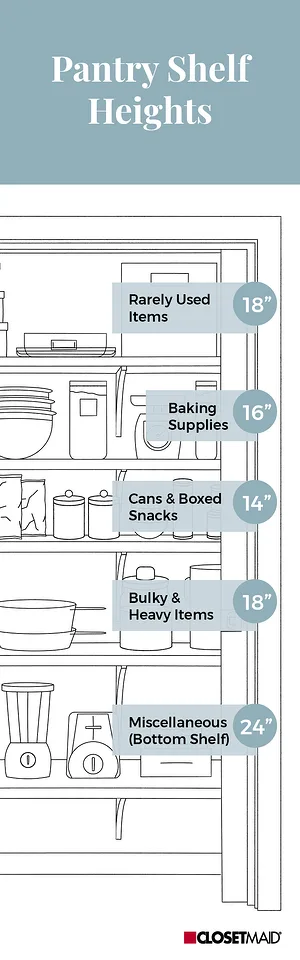
Image source: Bing (Web (fair-use with source credit))
The 1.5 to 2 Inch Breathing Gap That Prevents Clutter
Leave 1.5 to 2 inches of open shelf on each side of a basket. That gap stops baskets from touching and keeps the shelf from looking stuffed. It also gives your hand room to lift a basket without knocking its neighbor.
One Fiber, One Palette, Three Sizes
Pick a single fiber family, then repeat it. Rattan with rattan, seagrass with seagrass. Mixing four fibers in one pantry is the fastest route to visual noise.
Then cap yourself at three basket sizes and repeat them across shelves. Repetition reads as intentional. Variety reads as accidental.
Choosing Your Natural Basket Material Without Regret
Material choice decides three things: how long the basket lasts, how it handles moisture, and how it ages. Each fiber behaves differently, so pick based on your climate and what you're storing. Here's how the main options compare.
Rattan vs Seagrass vs Wicker vs Jute: A Side-by-Side Breakdown
| Material | Durability | Moisture behavior | Best for |
|---|---|---|---|
| Rattan | High | Resists warping well | Daily-use bins, humid rooms |
| Seagrass | Medium | Absorbs moisture easily | Dry climates, light storage |
| Wicker | Varies | Depends on base fiber | Decorative and mixed use |
| Jute | Low to medium | Softens when damp | Liners, light items only |
Image source: Bing (Web (fair-use with source credit))
When Liners Are Non-Negotiable (and When They Aren't)
Use a food-safe liner any time a basket touches open food, per FDA food-contact substance guidance. That means produce, baked goods, and bulk dry goods all need a liner. Anything in packaging, like jars or boxes, doesn't need one.
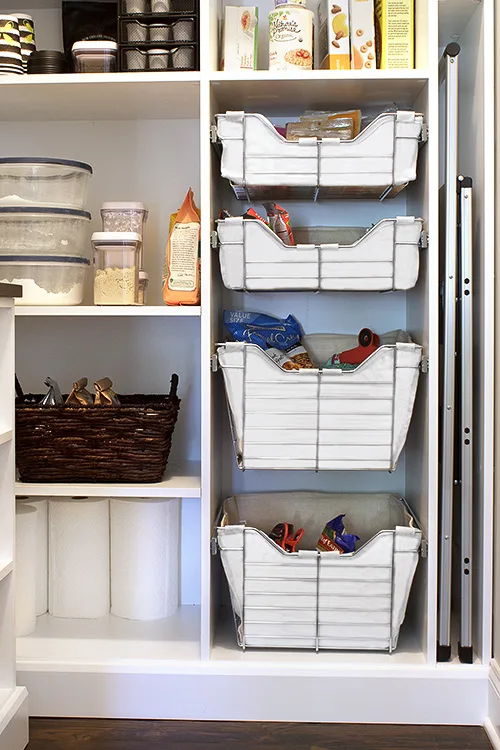
Image source: Bing (Web (fair-use with source credit))
Natural fiber is porous. It holds crumbs, absorbs odors, and can harbor moisture. A cotton canvas or linen liner creates a clean barrier.
It also makes the basket easier to empty and wipe down.
Tonal Match: Warm Baskets vs Cool Kitchens
If your kitchen runs cool (grey, white, blue), warm honey-toned baskets create contrast that pops. If your kitchen is already warm (cream, wood, terracotta), pick a bleached or grey-brown basket so it doesn't compete. As of 2026, the most photographed pantries pair one fiber tone with one wall tone and stop there.
Setting Up Your Open Pantry, Step by Step
This is the part where most people rush. They buy baskets first, then try to make them fit. Do it in reverse.
Measure, plan, then buy. The whole process takes one afternoon of planning and one afternoon of setup.
Measure First, Tape Second, Buy Third
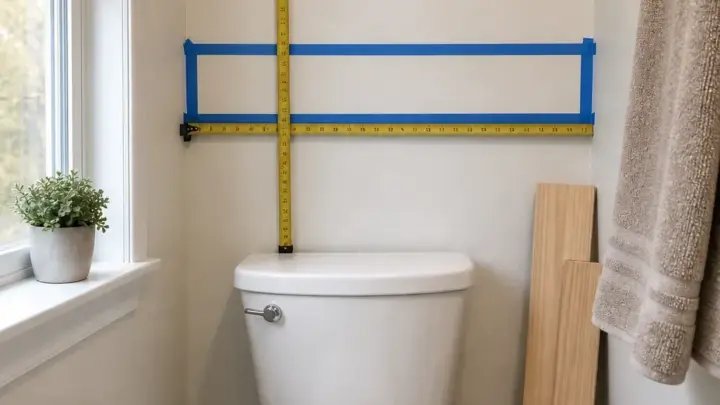
Measure shelf depth, usable width, and vertical clearance between shelves. Write the numbers down. Then tape outlines on the shelf where each basket would sit.
Masking tape works fine.
The tape test shows you proportions before you spend anything. If the outlines look cramped, they will look cramped with real baskets too. Adjust sizes until the tape layout looks balanced.
Only then do you order.
Zoning: Eye-Level Daily, Low for Heavy, High for Backup
Zone by use frequency, not by category. Eye-level shelves hold what you reach for daily, like snacks and coffee. Low shelves take heavy items because lifting is easier there.
High shelves hold backup stock and seasonal items you rarely touch.
Labeling Systems That Don't Kill the Natural Look
Labels should be readable from a step back, not from six inches away. Chalk tags, leather tags, and wooden tags all work. Keep the label style identical across every basket.
Mismatched labels undo the calm the baskets created.
Styling the Shelf So It Breathes
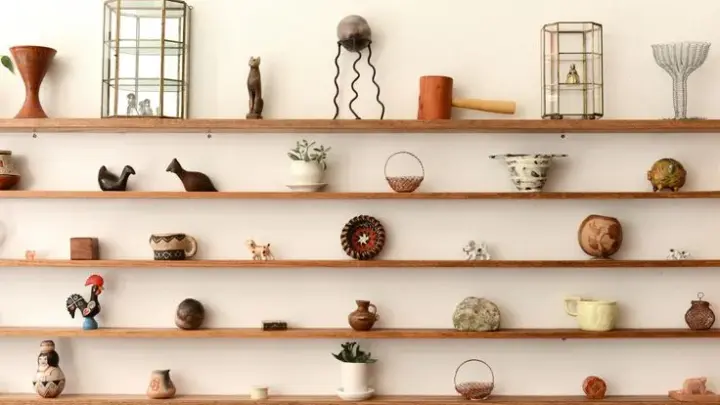
Leave one shelf partially empty. Seriously. An open pantry needs negative space, or your eye has nowhere to rest.
Aim for roughly 70 percent coverage per shelf. The remaining 30 percent is the gap that makes everything else look deliberate.
Mistakes That Ruin Open Pantry Baskets (and How to Dodge Them)
The first and biggest mistake is mismatched basket sizes scattered randomly. It reads as clutter even when the pantry is tidy. Repeat two or three sizes in a pattern instead.
Second is ignoring weight. Soft jute baskets sag under canned goods. Structured rattan handles 15 to 30 pounds safely.
Cans and jars go in structured baskets, always.
Third is skipping liners on food-contact baskets. Loose flour and grains sift through open weaves and land on the shelf below. That's a cleaning nightmare and a pest invitation.
Fourth is overloading floating shelves. Manufacturer specs confirm most floating shelves hold 25 to 50 pounds total. A shelf of full baskets can approach that fast.
Fifth is placing baskets near the stovetop or candles. Natural fibers are combustible. Keep them clear of heat sources at all times.
The Stuff Nobody Warns You About: Dust, Pests, Moisture, and Heat
Dust is the price of going open. In an active kitchen, our research shows visible buildup on open shelves within 2 to 4 weeks. Loose-weave baskets trap flour and crumbs deeper than a flat shelf ever will.
A soft brush or a vacuum brush attachment every couple of weeks keeps it manageable.
Pests follow food, and open baskets make access easy. Pantry moths and weevils love unprotected grains and flours. Per USDA home storage guidance, keep dry goods in sealed inner bags or lidded containers inside the basket.
The basket becomes the outer shell, not the barrier.
Moisture is the quiet killer of natural fiber. In humid climates, seagrass and jute absorb damp air and can grow mold. Rattan handles humidity better.
Run a dehumidifier in damp pantries, and never store baskets against a cold exterior wall where condensation forms.
Heat and sun do their own damage. Direct sunlight fades natural dyes and dries out jute until it cracks. Keep baskets off window-facing shelves or rotate them seasonally.
And keep every fiber basket well clear of the stovetop, candles, and any open flame.
If you live somewhere humid, favor rattan and check weekly for soft spots. If you're in a dry climate, expect brittleness and condition with a light oil. Match the fiber to your region first, then style it.
Keeping It Looking Good: Care, Rotation, and Long-Term Upkeep
A quick monthly routine keeps the look intact. Empty one basket at a time, wipe it inside and out with a dry cloth, and check the weave for loose strands. Press any lifted fibers back into place and secure them with a dab of clear craft glue.
Liners need washing more often than the baskets do. Cotton canvas and linen liners collect crumbs and absorb smells. Launder them every 4 to 6 weeks, or sooner if they hold produce.
A clean liner also keeps pests from settling in.
Rotate contents by season. Move heavy backup stock to high shelves in spring and pull produce baskets forward in summer. If a basket sits empty for months, check it for dust and damp before reusing it.
Structural checks matter too. Rattan handles loosen over time, and soft jute sags under load. Re-tighten woven handles and shift heavy items into structured baskets.
Replace any basket showing mold, splintering, or a collapsing base. Restyling is cheap. A collapsed shelf of jars is not.
Open Pantry with Natural Baskets: Your FAQs Answered
What size baskets fit standard pantry shelves?
Standard pantry shelves run 10 to 12 inches deep. Baskets should measure at least 1.5 to 2 inches narrower than the shelf on each side. That means 8 to 10 inch baskets for most kitchens.
Do I need liners in natural baskets?
Yes, for anything touching open food. Per FDA food-contact guidance, use food-safe cotton or linen liners for produce, flour, and bulk dry goods. Packaged items like jars and boxes don't require a liner.
Which natural basket material lasts longest?
Rattan lasts longest in most kitchens. It resists warping and handles humidity better than seagrass or jute. Jute is the softest and least durable, so keep it for light items only.
How often should I clean open pantry baskets?
Wipe baskets every 2 to 4 weeks to control dust. Wash fabric liners every 4 to 6 weeks. Check for pests and moisture monthly, and more often in humid climates.
Can natural baskets go near the stove?
No. Natural fibers are combustible, so keep every woven basket clear of stovetops, candles, and heat sources. Floating shelves near cooking zones should hold glass or metal instead.
How much weight can a natural basket hold?
Structured rattan handles roughly 15 to 30 pounds safely. Soft jute and seagrass hold about 5 to 15 pounds. Put cans and jars in structured baskets, and keep floating shelves under their rated load.
The Bottom Line: What Separates a Styled Open Pantry from a Cluttered One
The pantries that look effortless follow the same handful of rules. One fiber family, three repeating basket sizes, and a gap on every shelf. That's it.
The rest is maintenance.
Get the measurements right before you spend a dollar. Match basket diameter to shelf depth, leave breathing room, and zone by how often you reach for things. Everything else, from labels to liners, is a finishing touch on a structure that already works.
And respect the material. Natural fiber is beautiful, but it's porous, combustible, and moisture-sensitive. Liners for food, structured baskets for weight, and a monthly wipe-down keep it looking good for years.
If you remember one thing, make it the gap. Open storage isn't about filling space. It's about leaving enough of it empty that the things you do display actually get seen.

Similar Posts