Neutral Room with Antique Accents: Timeless Decor Ideas
The quickest way to make a neutral room with antique accents work is restraint. One strong piece beats five middling ones. The neutral base does the heavy lifting, and the antique earns its keep by contrast.
Most people get this backwards. They buy the antique first, then try to build a room around it. That's how you end up with brown furniture swallowed by beige walls.
Per the US Customs and Border Protection definition, a true antique is at least 100 years old, which matters because age drives both price and patina. As of 2026, that line still separates a genuine antique from a vintage piece. Here's how to read a room, choose the right piece, and style it so the whole thing feels collected instead of cluttered.
Why Neutrals Go Flat Without an Antique (and Why One Piece Fixes It)
A neutral room isn't boring. It's unfinished.
Beige, greige, cream, and bone give you a calm base, but they don't give you a focal point. Your eye needs somewhere to land. Without it, the space reads like a hotel lobby or a showroom.
One antique fixes that in a single move. It carries age, texture, and a story no new build can fake. That's the contrast at the heart of this whole look: quiet walls, one loud object.
Here's the practical logic. If your room feels cold or flat, add one antique focal piece. If it feels busy, you've added too many.
The pool of antiques available also supports a more sustainable approach, since extending the life of existing furniture keeps it out of landfill.
Reading the Room: The Visual Cues That Decide Everything
You can't judge this look from a swatch. You judge it in the space, in real light. That's why photos matter here more than any spec sheet.
Warm vs. cool neutrals and how wood undertones talk to your walls
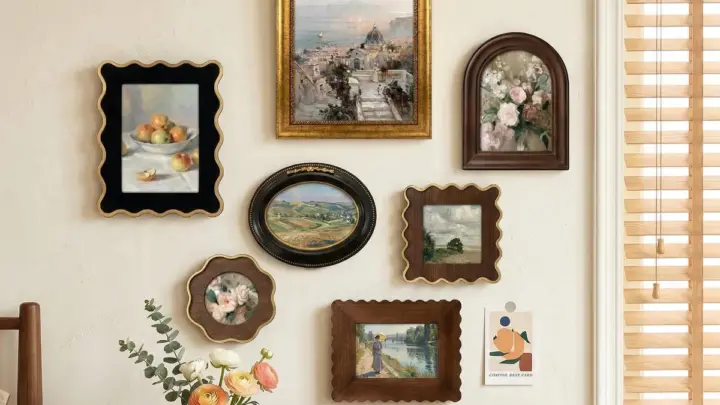
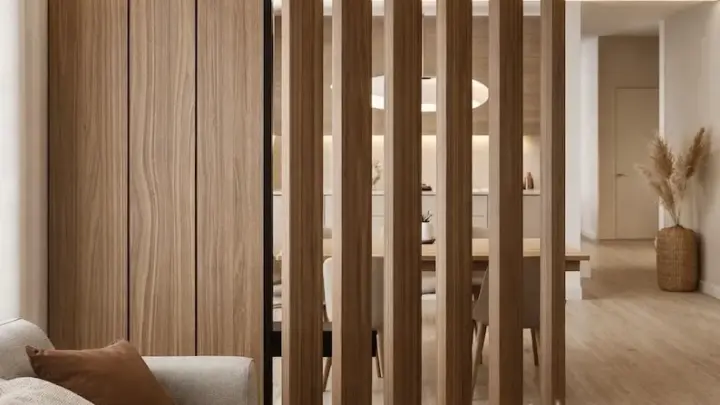
Warm neutrals (cream, oatmeal, bone) lean yellow, red, or brown. Cool neutrals (dove grey, chalk, stone) lean blue or green. Wood has undertones too: warm oak and red mahogany run warm, while walnut and ash can run cool.
If your walls are warm and your antique is cool-toned, they fight. Match the undertone and the piece settles in instantly.
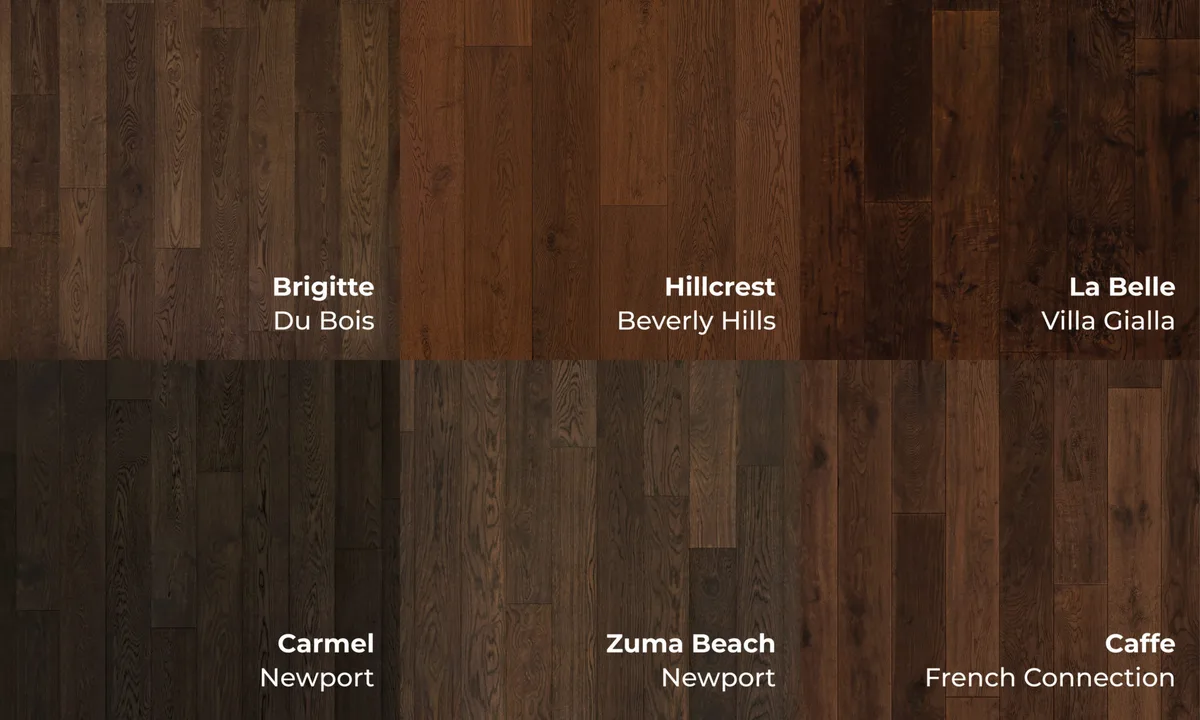
Image source: Bing (Web (fair-use with source credit))
Patina, reflectivity, and the one deep tone that anchors the palette
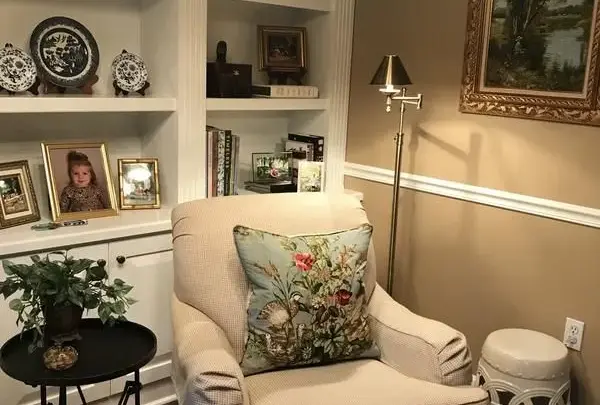
Patina is the worn finish and softened surface that age leaves behind. It's the single biggest reason antiques work in neutral rooms. A fresh finish looks flat against matte walls.
Real patina glows.
You also need one deep tone to anchor everything. Oxblood, forest, or ink, used once, stops the neutrals from floating away.
Scale, negative space, and why one antique beats five
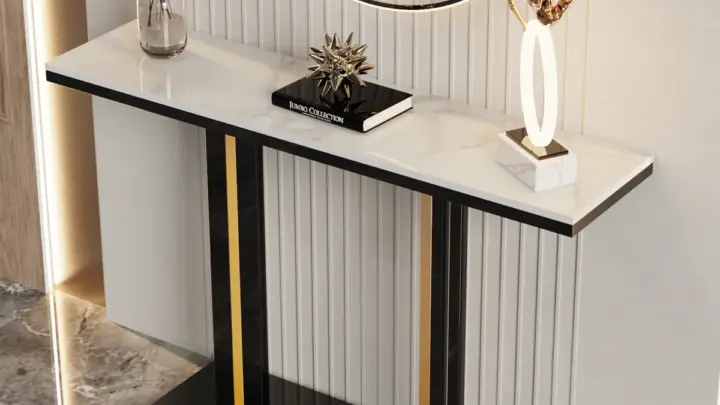
Scale is where most rooms fail. A tiny side table in a large room disappears. A tall armoire in a low-ceiling space looms.
For tall case goods, aim to leave at least 12 inches of clearance above the piece. Negative space isn't wasted space. It's what lets the antique breathe.
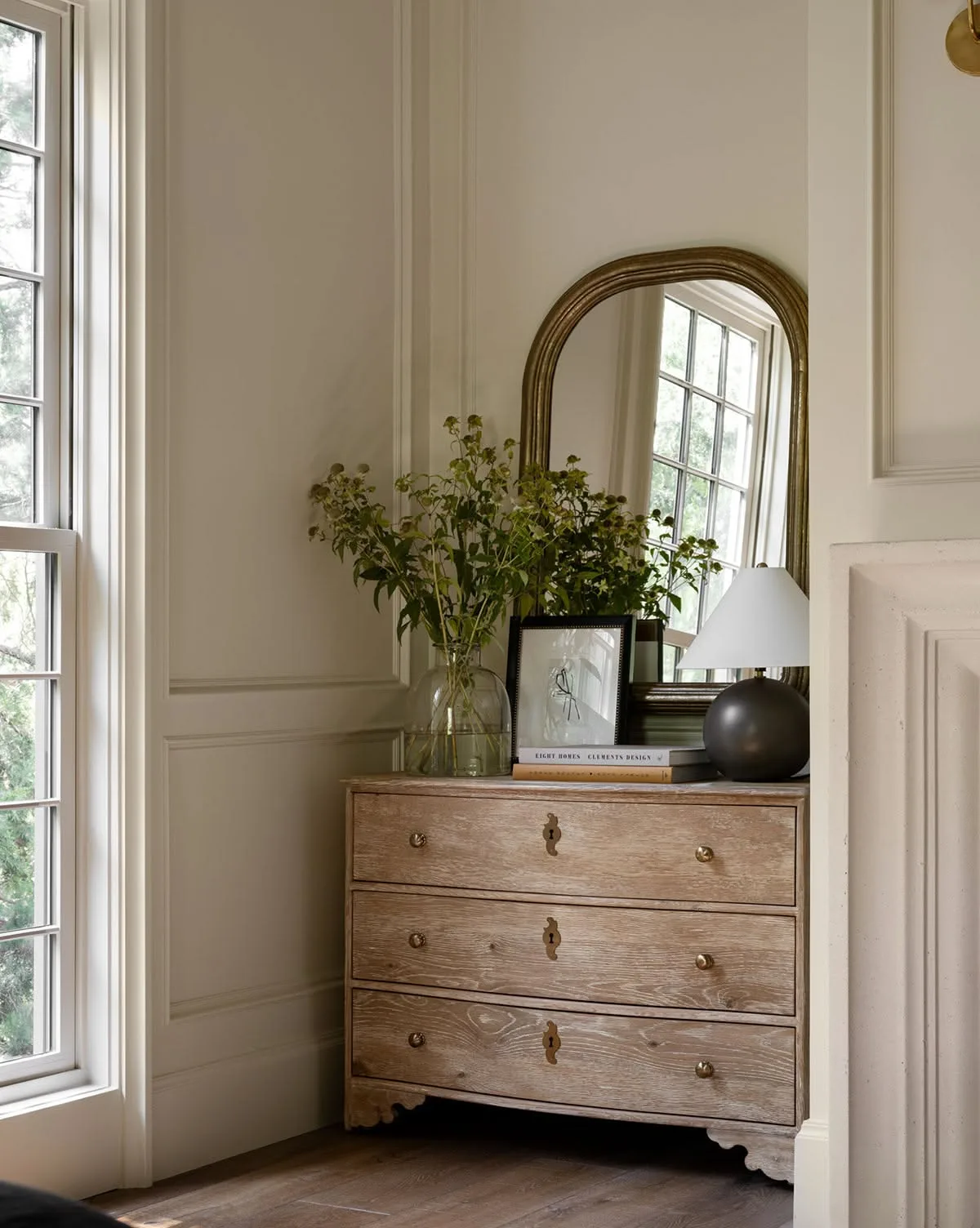
Image source: Bing (Web (fair-use with source credit))
Choosing the Right Antique for a Neutral Room
Each category of antique adds something different. Know what you're asking a piece to do before you buy it.
Case goods, seating, rugs, and lighting — what each piece contributes
Case goods (dressers, armoires, chests) give you mass and function. Seating adds softness and a human scale. Rugs bring pattern and warmth underfoot.
Lighting delivers the glow that makes patina sing.
Pick one category to lead. Let the others support.
Age, patina, and condition: what's worth buying and what isn't
Worth buying: solid joinery, stable frames, honest wear. Not worth buying: active woodworm, structural rot, and heavy restoration that's erased the finish.
Checking the underside and the back tells you more than the front ever will.
The 70/20/10 ratio that keeps a room neutral, not cluttered
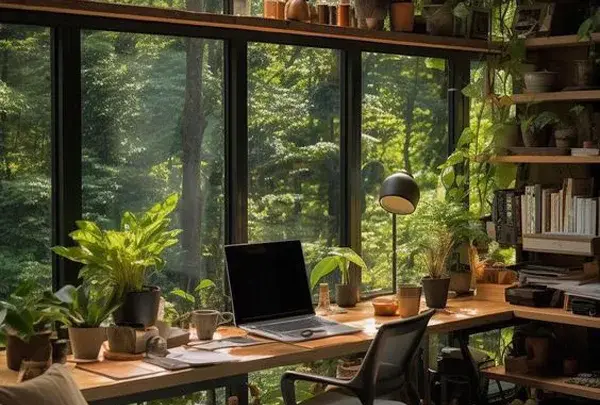
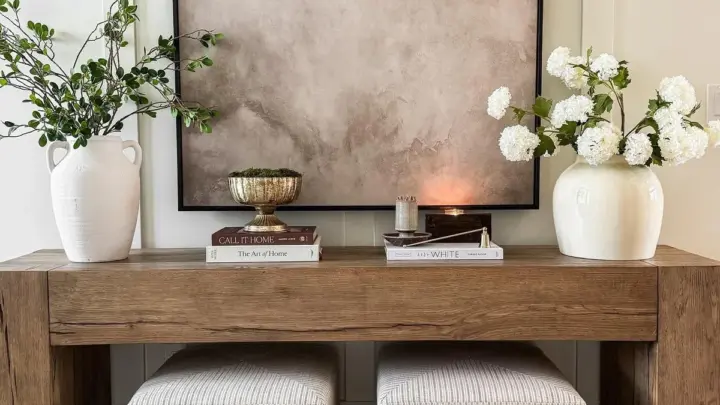
This is the simplest rule to remember. Roughly 70 percent modern neutral, 20 percent antique accent, 10 percent something unexpected.
That ratio keeps the room reading as neutral while still letting the antiques carry the weight.
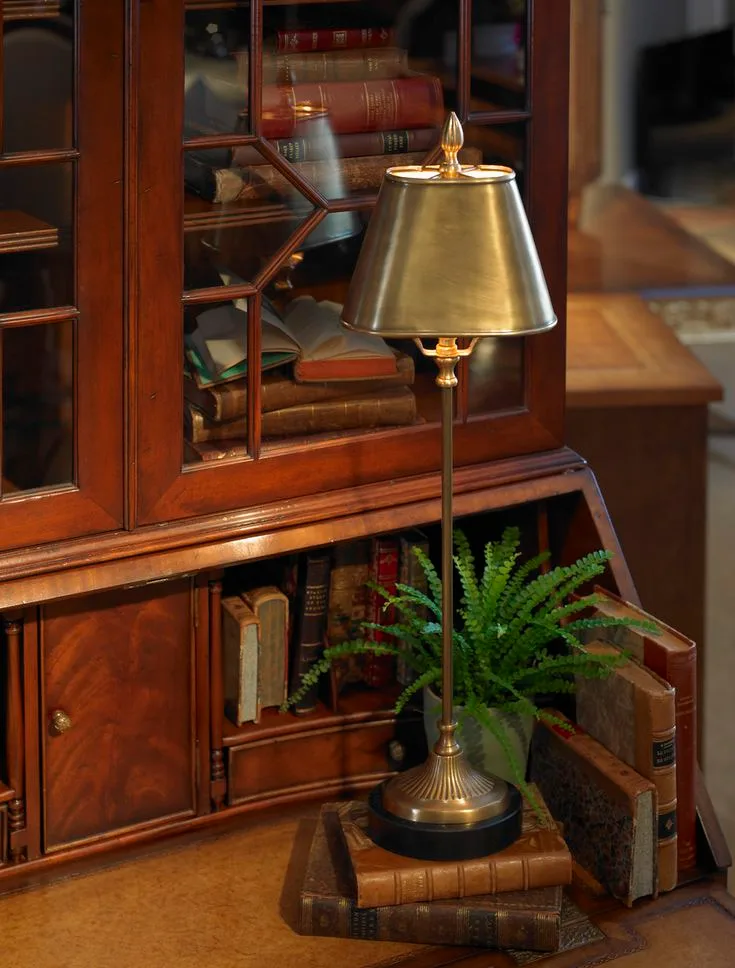
Image source: Bing (Web (fair-use with source credit))
Styling It: Placement, Layering, and the Modern Foil
Placement is a sequence, not a guess. Work through it in order and the room builds itself.
Anchor, layer, breathe — a simple arrangement sequence
Start with the largest piece and place it first. Layer smaller pieces around it, varying height and scale. Then step back and leave gaps.
If it looks finished, you've probably overfilled it.
Picking the modern pieces that make antiques look intentional
This is the part people skip. Antiques need a modern foil or they tip into museum territory.
A clean-lined sofa, a slab coffee table, a matte ceramic lamp. These give the eye something current to rest on, which makes the antique read as a deliberate choice.
Layered lighting and the 2700K–3000K rule
Light decides how your antiques look. Swap bulbs to 2700K, 3000K for warmth. Harsher light flattens wood and turns brass grey-green.
Add a picture light or a sconce to graze the surface of your focal piece.
Mistakes That Turn "Collected" Into "Cluttered"
Most neutral-plus-antique rooms fail for the same handful of reasons. Here are the ones to watch.
Undertone clashes, brown-furniture-on-beige, and over-restoration
A warm brown antique on a cool beige wall goes muddy fast. Fix the undertone match before anything else. And think twice about over-restoring a piece.
Stripping a waxed finish often destroys the exact patina you were chasing.
Overcrowding, odd proportions, and killing the patina
If every surface has something on it, nothing reads. Clear the tabletops. Let the antique be the only thing competing for attention in its zone.
Watch proportions too: a piece that's too tall, too small, or too deep for the space never settles.
Costs, Sourcing, and What You'll Actually Pay
Where you buy changes both price and risk. Estate sales and auctions can be cheap but unpredictable. Dealers cost more and reduce your risk.
Aggregate buyer feedback tends to favor dealers for statement rugs and case goods, where condition really matters.
| Source | Typical Range | Best For |
|---|---|---|
| Estate sale | $50–$400 | Accessories, small chairs |
| Dealer | $300–$1,500 | Mid-tier tables, seating |
| Auction house | $1,500–$15,000+ | Statement rugs, case goods |
For context, USDA Forest Products Laboratory research documents how wood moves with changes in moisture, which is why antiques in humid climates often show more cracking and joint movement than the same pieces kept in stable conditions.
Care, Safety, and Long-Term Upkeep
Antiques reward a little routine. Neglect them and the damage shows up fast. The good news is most of it is preventable with cheap habits.
Humidity, sunlight, and wax — keeping antiques stable
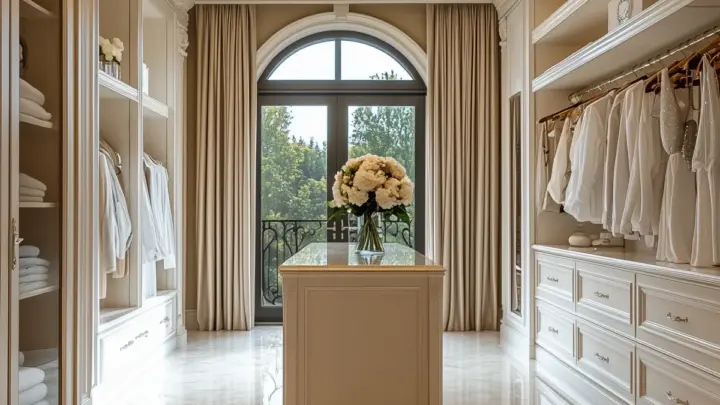
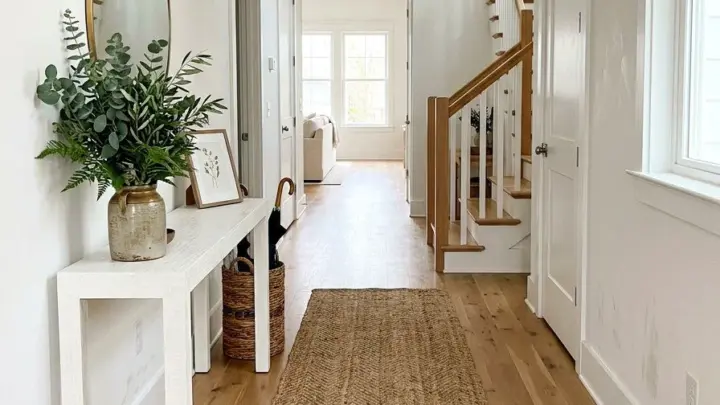
Keep indoor humidity around 40 to 50 percent relative humidity. That's the band most wood and textile conservation guidance settles on. Big swings in moisture cause cracking, warping, and joint movement.
Keep pieces out of direct sun to prevent fading and finish damage. Dust with a soft cloth, and avoid silicone polishes on waxed wood.
Re-wax oiled and waxed finishes about once a year. Rotate rugs and textiles now and then to even out wear.
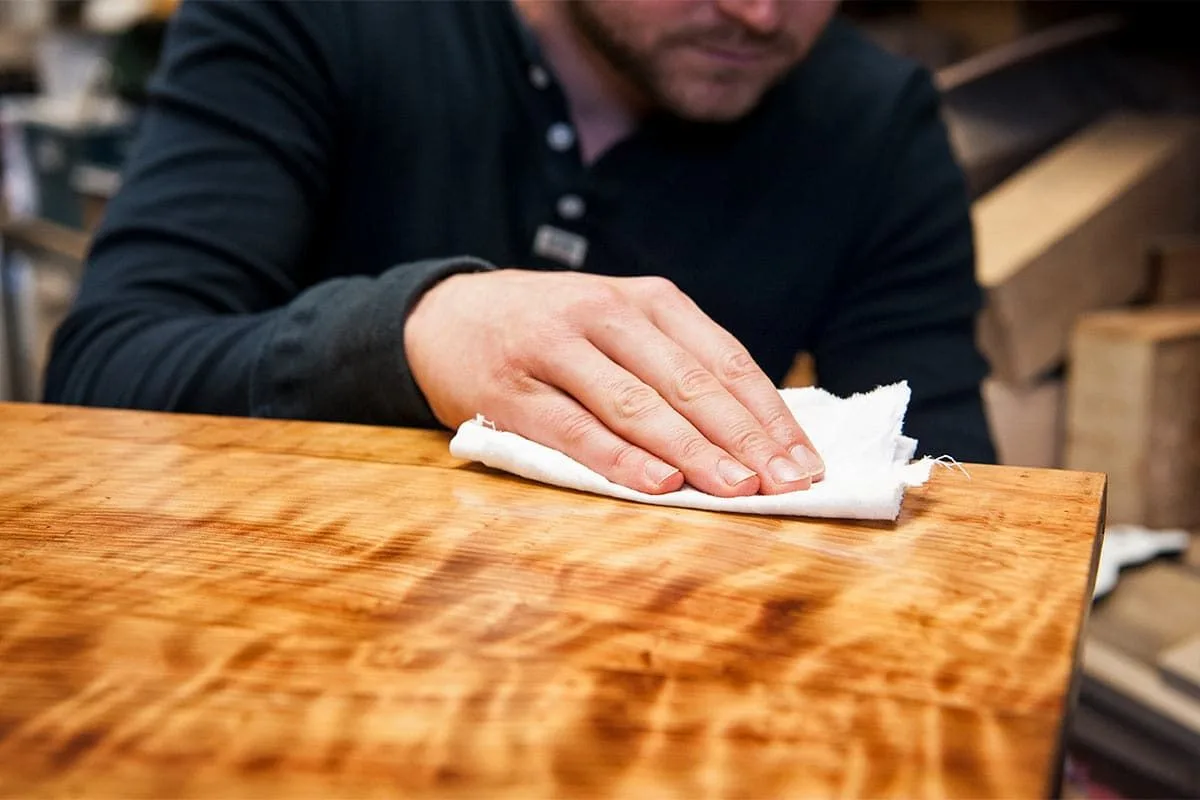
Image source: Bing (Web (fair-use with source credit))
Lead paint, old wiring, and stability checks you can't skip
Test any pre-1978 painted surface for lead before you sand it. The EPA's lead-safe renovation rule applies to painted furniture just as it does to walls.
Rewire old lamp cords and sockets before daily use. Original wiring rarely meets current safety standards.
Anchor tall armoires and chests to the wall, especially on uneven floors. Antique shelves and picture wire are rated for far less load than modern hardware.
FAQs
How do I keep neutrals from looking boring with antiques?
Give the room one clear focal point and let the neutral base stay quiet. Add one deep accent tone, like oxblood or ink, used once. The contrast does the work so the beige doesn't flatten out.
How many antique pieces can a neutral room handle?
Roughly the 70/20/10 ratio: 70 percent modern neutral, 20 percent antique accent, 10 percent unexpected. One to three antiques in a typical living room keeps it collected rather than cluttered. More than that and the room stops reading neutral.
What wood tones work best with warm neutrals?
Warm oak, red mahogany, and cherry pair well with cream, oatmeal, and bone. Cool-toned walnut, ash, or blonde wood work better against dove grey, chalk, and stone. Match the undertone and the piece settles in instantly.
Do antiques need special lighting?
Yes, in effect. Bulbs in the 2700K to 3000K range keep wood and brass looking warm. Harsher light flattens patina and turns brass grey-green.
A picture light or sconce lets the surface glow.
Is restoring an antique worth it?
Often, no, or at least only lightly. Aggressive restoration erases the patina that makes a piece valuable in a neutral room. Fix structural problems like rot, woodworm, or loose joinery, and leave honest wear alone.
Are there legal restrictions on antique materials?
Sometimes. Pieces with ivory, tortoiseshell, or certain restricted woods fall under CITES and US Fish & Wildlife rules for sale and interstate transport. Check before buying or shipping, and keep appraisals for insurance.
The Final Call: When a Neutral Room Works Best with an Antique
A neutral room with antique accents works when the antique earns its place through contrast, undertone match, and restraint. It fails when the piece gets buried or crowded out.
If you're starting fresh, choose the largest antique first and build the neutral base around its undertones. If you already own the antique, match your wall and upholstery undertones to it rather than fighting it.
Since the US Customs and Border Protection threshold sets true antiques at 100 years or older as of 2026, know what you're buying before you commit. A genuine, well-kept piece will anchor a neutral room for decades. A reproduction will just fill space.
Get the undertone, the scale, and the ratio right, and the room does the rest.

Similar Posts