Best Reading Chair with Floor Lamp Setup Guide
The dream of a perfect reading chair with floor lamp setup dies the moment you actually sit down in it. The chair is great. The lamp looks gorgeous.
And yet the light falls somewhere behind your left ear, throwing a shadow across every page you try to read.
It's not a taste problem. It's a geometry problem. Manufacturer specs and Illuminating Engineering Society guidance both point to the same idea: reading is a task, and task lighting has to land in a specific place.
Get the pairing right and you'll stay up one more chapter. Get it wrong and you'll blame your eyes. Here's how to spot the difference before you spend a dollar.
reading chair with floor lamp
A reading chair with floor lamp is a chair paired with a standing light placed behind and slightly overhead. The lamp head should sit 30 to 36 inches above your seated eye level. Warm 2700K to 3000K light at 400 to 800 lumens covers the page.
It shouldn't spill across the room.
Why Most Chair-and-Lamp Pairings Quietly Fail
Most pairings fail because the chair and the lamp get bought on looks. The chair matches the rug. The lamp matches the coffee table.
Nobody checks whether the light actually reaches the book.
There's a second, sneakier reason. Floor lamps radiate from a single fixed pole. Chairs position your head in one spot.
If those two points don't line up on purpose, you're improvising light placement every single evening.
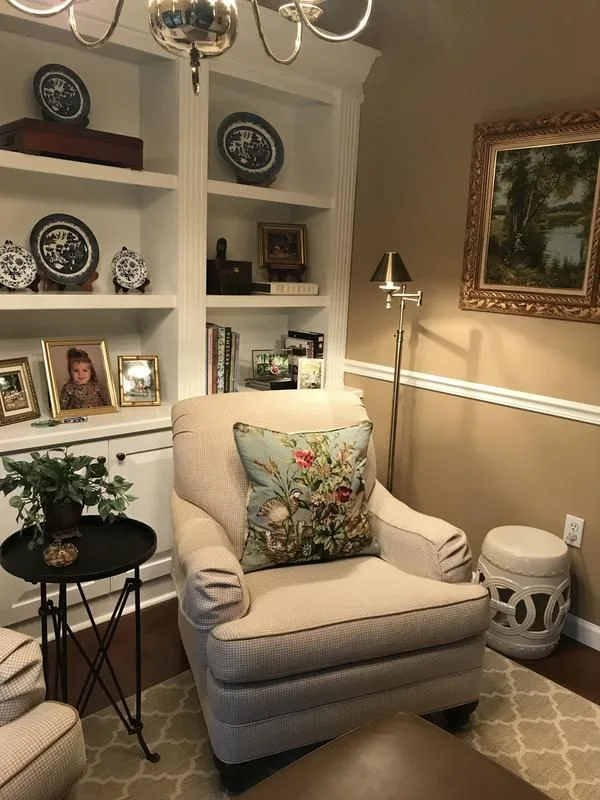
Image source: Bing (Web (fair-use with source credit))
Aggregate user reviews show the same three complaints over and over. Light too far behind. Head shadow over the page.
Bulb too dim or too blue. None of these are quality problems. They're placement problems.
The fix isn't a fancier lamp. It's matching two sets of specs before you buy. That's what the next section is for.
The Two-Part Harmony: What Makes a Chair and Lamp Work as One Setup
A working reading corner needs the chair and lamp to cooperate on three things: seat height, seated eye level, and lamp reach. Nail those three and everything else is preference.
Chair Specs That Decide Whether You Can Read for Hours
Seat height is the anchor spec. Standard reading chairs sit 17 to 19 inches off the floor, per most manufacturer specs. Taller readers often do better at 18 to 20 inches.
Seat depth matters just as much. Anything past 24 inches encourages you to slouch and recline. That's fine for napping.
It's bad for holding a book at a comfortable angle.
High-back chairs (wingbacks especially) support your head for long sessions. Low-back club chairs force your neck to do the work. Both can work, but they change how much lamp reach you need.
Floor Lamp Specs That Decide Whether the Page Gets Lit
Three specs do most of the heavy lifting on the lamp side.
- Lumens: 400 to 800 for focused reading. Above 1500 and paper starts to glare.
- Color temperature: 2700K to 3000K for evening reading. 3500K to 4000K works for daytime.
- CRI: 90 or higher. This keeps paper and ink looking true instead of washed out.
Then there's reach. Reach is how far the lamp head extends from its base. A swing-arm lamp might reach 20 inches.
An arc lamp can reach 40 to 50. A gooseneck barely reaches past the pole.
The Over-the-Shoulder Rule (and Why Arc Lamps Often Break It)
The single rule that separates a reading setup from a decorative one: light comes from behind and slightly over your shoulder. Never from in front of your face.
Front light bounces off the page and into your eyes. That's glare. It's the reason people think they need brighter bulbs when they really need a different angle.
Arc lamps trip this rule more than any other design. Their long reach curves the head out over your head. If you sit under the arc, light pours down past your shoulder onto the floor behind you.
Move the chair forward and now you're in your own shadow.
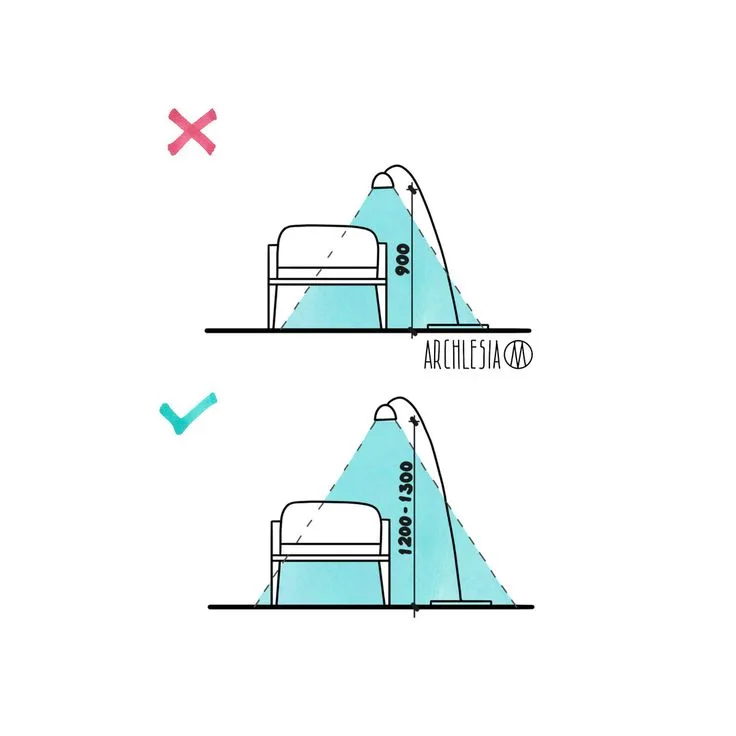
Image source: Bing (Web (fair-use with source credit))
Swing-arm and gooseneck floor lamps win for reading because you can aim the head back at the page, not at the ceiling. Adjustable wins almost every time.
Head-to-Head: The Pairings People Actually Buy
Here's where the four common setups stack up against each other. Each one suits a different room, body, and reading habit.
Wingback + Swing-Arm Lamp
Best for long, upright reading sessions. The high back supports your head. The swing arm lets you dial light exactly onto the page.
Watch the armrest height. Wingbacks often have tall arms that catch the light and cast a small shadow onto the book's lower edge.
Club Chair + Arc Lamp
Best for open-plan living rooms where you want a statement piece. The arc spreads warm light across a wide area.
Reading under an arc takes discipline. Position the chair so the head curves past your shoulder, not above your forehead. Test this before you buy.
Recliner + Adjustable Task Lamp
Best for readers who drift backward over time. Recliners change your seated eye level as you recline, so a fixed lamp will stop working the moment you lean back.
A telescoping or swing-arm task lamp lets you raise the head as the chair lowers. Power recliners and floor lamps on the same outlet need a cord check.
Papasan or Barrel Chair + Tripod or Shelf Lamp
Best for tight corners and rental setups. Barrel chairs cradle you without needing much floor space. Tripod and shelf lamps are compact and plug in without installation.
Shelf lamps double as a side table for a mug or glasses. That's a small win for anyone reading with a drink in hand.
Side-by-Side Comparison Table
| Setup | Best For | Lamp Reach Needed | Watch Out For |
|---|---|---|---|
| Wingback + Swing-Arm | Upright long sessions | 15 to 25 inches | High armrest shadows |
| Club Chair + Arc | Open-plan rooms | 35 to 50 inches | Light landing behind you |
| Recliner + Task Lamp | Reclining readers | 20 to 30 inches, adjustable | Eye level changes as you lean |
| Papasan/Barrel + Tripod/Shelf | Small spaces, renters | 10 to 20 inches | Low light output on some shelf lamps |
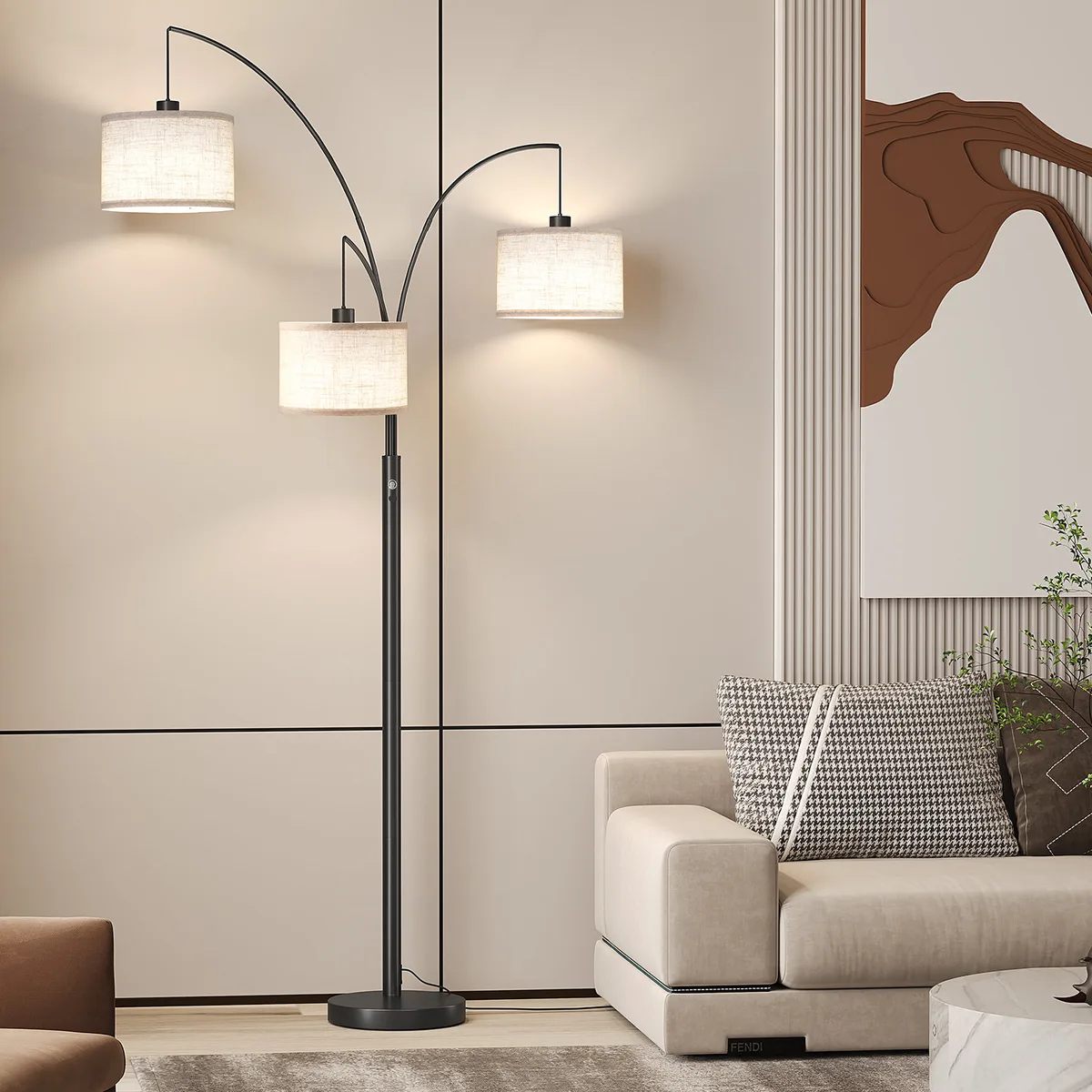
Image source: Bing (Web (fair-use with source credit))
Match the Setup to Your Room, Body, and Reading Habits
The "best" pairing depends on three things: how much floor space you have, how long you read, and when you read.
Small Apartments and Rental-Friendly Picks
If you can't install wall sconces or hardwire anything, you're working with plug-in options only. That rules out ceiling fixtures and most permanent lighting.
Compact wins here. A barrel chair with a swing-arm lamp takes up a 3-by-3-foot footprint. A shelf lamp adds storage.
A tripod lamp folds flat if you move.
Cord routing matters more in apartments than houses. Six to eight feet is standard lamp cord length. Measure from your intended chair spot to the nearest outlet before ordering.
Older Eyes, Longer Sessions, and Brighter Needs
As eyes age, they need more light for the same reading task. That's not opinion, it's basic optics. The recommended illuminance for reading rises with age.
Practical move: aim for the upper end of the lumen range (600 to 800) and add dimming. Dimming lets you dial up for detail work and back down for relaxed reading.
CRI goes up in importance too. A CRI of 90 or higher keeps small print legible and color accurate. Cheap bulbs at CRI 80 make text look flat and grey.
Evening Reading, Sleep, and Color Temperature
Warm light (2700K to 3000K) supports evening reading and doesn't fight your body's wind-down signals. Cool daylight bulbs (5000K+) feel alert and clinical at 10pm.
If you only have one lamp, pick 3000K. It reads as neutral and warm at the same time. Dimmable options let you drop to a cozy 10% after the last page.
As of 2026, most reading-focused floor lamps ship with 2700K or 3000K integrated LEDs. That's a shift from five years ago, when daylight white was the default.
Mistakes That Ruin a Good Reading Corner
The most expensive mistake is buying the chair first, then shopping for a lamp to "match" it. Chair specs decide lamp placement, not the other way around. Measure the chair, then find the lamp that reaches the right spot.
Glare is the second killer. A lamp head too low or too far forward bounces light straight off the page into your eyes. The fix is almost always angle, not brightness.
Move the head back and up before you swap the bulb.
Wrong lamp height ruins an otherwise perfect setup. If the shade sits below your seated eye level, you'll be reading in your own shadow. If it sits too high, the light pools on your lap instead of the book.
Glare, Wrong Height, and the Lamp Behind Me Trap
Sitting directly under an arc lamp is the classic "lamp behind me" failure. Light falls in the space between your chair and the wall, not onto the page. You feel like you're reading in the dark while the room glows.
The trap has a simple fix. Move the chair forward so the lamp head curves past your shoulder, not above your head. Test this while sitting, not standing.
Everyone underestimates this at standing height.
Scanning your page with a phone camera at night helps. If you see a bright hotspot on the paper, you've got glare. If the page looks dim and grey, you've got shadow.
Neither is a bulb problem.
Tip-Over Risk, Cord Runs, and Bulb Wattage Slip-Ups
Tall, light-base lamps tip when bumped. Children, pets, and vacuum cords are the usual suspects. UL Solutions advises checking the base weight on any lamp over 60 inches tall.
A base under 10 pounds on an arc lamp is a warning sign.
Cord routing deserves more thought than it gets. Six to eight feet is standard. Chaining extension cords across a walkway invites trips and heat buildup.
Route behind furniture or along a wall.
Never exceed the maximum wattage printed on the socket. Modern LED bulbs draw 8 to 15 watts to replace 60 to 100-watt incandescents. That gap is why old lamps and new bulbs get along fine, as long as the base type matches (usually E26 in the US).
What It Actually Costs (and Where the Money Is Worth It)
Reading setups split into three price tiers. Where you land depends on whether you want new, used, or a smart bulb retrofit.
- Budget: $150 to $350 total. Barrel chair plus tripod or shelf lamp with a warm LED bulb.
- Mid-range: $400 to $900. Club chair or recliner plus swing-arm or adjustable task lamp.
- Premium: $1,000 to $2,500+. Wingback or designer recliner plus arc lamp with dimming and 90+ CRI integrated LED.
Spend more on the chair, not the lamp. A $200 lamp with a $20 bulb beats a $600 lamp with a mediocre bulb. Lamp tech changes fast.
Chair comfort changes slowly.
| Component | Budget | Mid-Range | Premium |
|---|---|---|---|
| Chair | $100–$250 | $300–$700 | $800–$2,000 |
| Floor lamp | $40–$90 | $100–$250 | $300–$600 |
| Bulb / LED swap | $5–$15 | $15–$30 | Integrated |
| Dimmer add-on | $10–$20 | Inline included | Built-in |
Secondhand wingbacks and club chairs are the quiet value play. Frame quality on older furniture often beats new particleboard builds. Check the foam, springs, and joints before buying used.
Setting It Up Right: Measure, Position, Test After Dark
Setup takes about 30 minutes if you measure first. Skip the measuring and you'll spend weeks fiddling.
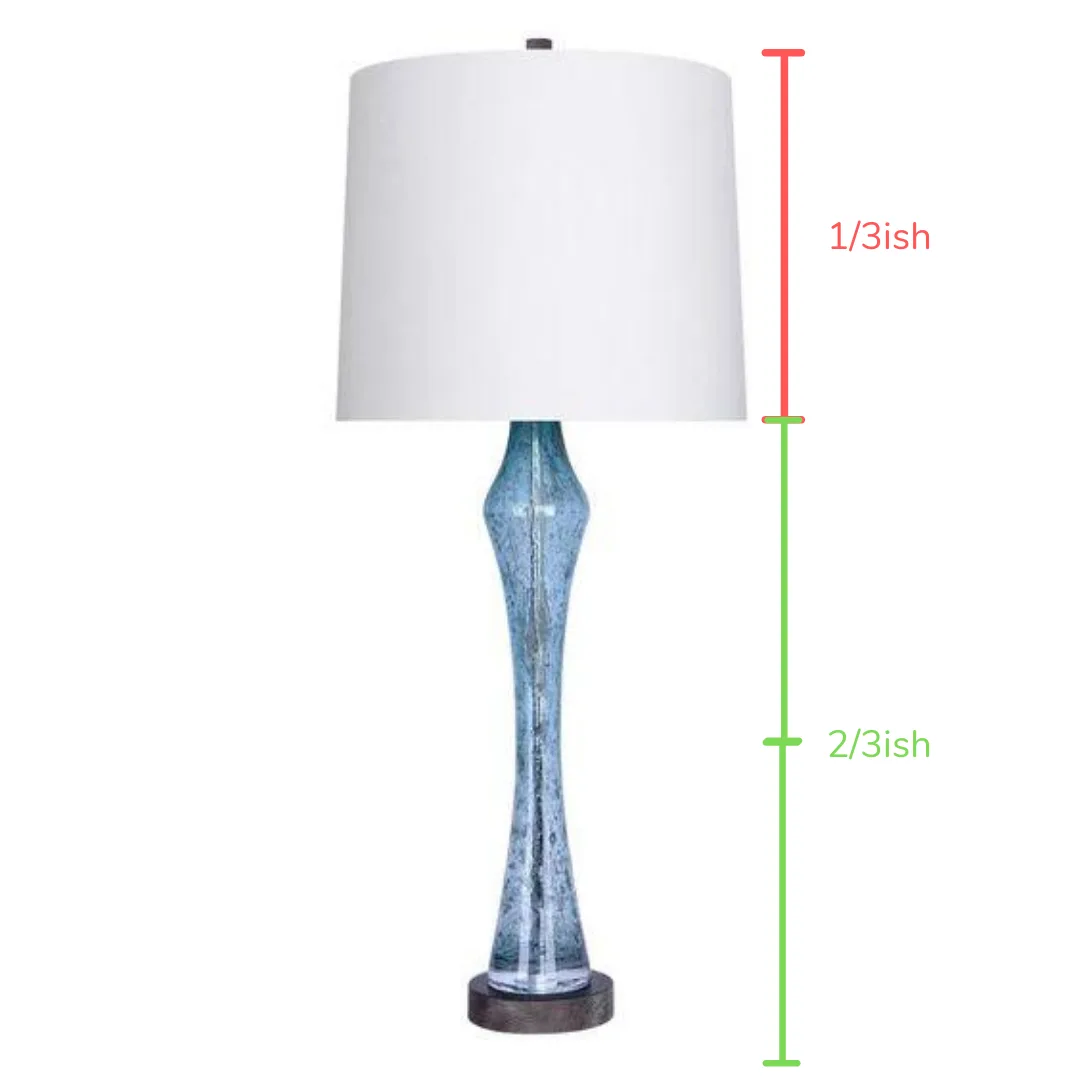
Image source: Bing (Web (fair-use with source credit))
Here's the sequence.
- Sit in the chair with a book in your normal reading posture. Have someone mark your seated eye level on the wall behind you.
- Measure from that mark down to where the book sits. That's your target lamp-to-page distance.
- Subtract the lamp's reach from the horizontal distance between chair and lamp base. That tells you where the base needs to sit.
- Place the lamp so the head lands 30 to 36 inches above your eye level, angled back toward the page.
- Test with the actual bulb at night. Adjust the head angle before you consider dimming.
- Add a dimmer or smart bulb if the fixed output feels too strong.
Renters and anyone who moves often should confirm outlet placement before buying. A nine-foot cord runs you $15 and saves the whole setup.
Per OSHA ergonomic guidance, you also want the book at roughly elbow height. That keeps your neck neutral during long sessions. A small throw pillow behind your lower back does the same job as a fancy lumbar cushion.
Frequently Asked Questions
How high should a floor lamp be for reading?
The lamp head should sit 30 to 36 inches above your seated eye level. That places light behind and slightly over your shoulder, which is where reading light works best. Lower than that and you'll cast a shadow on the page.
Do I need a special bulb for a reading lamp?
Yes, a warm bulb with high CRI. Look for 2700K to 3000K color temperature, 90 or higher CRI, and 400 to 800 lumens. Standard daylight bulbs (5000K+) create glare and feel harsh for evening reading.
Is an arc lamp good for reading in a chair?
Not usually, unless you position it carefully. Arc lamps throw light widely and often land the beam behind your shoulder. If you love the look, place the chair forward so the arc curves past your head, then check the page for shadow before committing.
Can I use a table lamp instead of a floor lamp?
Yes, if you have a side table and the lamp head reaches over the book. Table lamps are more adjustable and often cheaper. Floor lamps win when there's no surface to set one on, or when you want the lamp behind the chair.
What size chair works best with a floor lamp?
A chair with a seat height of 17 to 19 inches and a seat depth of 20 to 24 inches. Deeper chairs push your head back, which changes where the lamp needs to sit. High-back wingbacks work best with swing-arm lamps that can aim light past the headrest.
How do I stop glare on my book?
Move the lamp head behind and above your line of sight. Aim it down and back toward the page. If the light still hits your eyes, raise the head a few inches or angle it more steeply.
Brightness is rarely the real problem.
Final Verdict: The Pairing That Works for Most People
For the average reading corner, a mid-back chair with a swing-arm floor lamp hits the sweet spot. Seat height around 18 inches. Lamp head 30 to 36 inches above your eye line.
A 3000K LED at CRI 90 and about 600 lumens, dimmable if you read at night.
Spend the extra on adjustability, not on wattage. A lamp that can move will keep working when your posture or reading position changes. A fixed lamp forces you to change instead.
Before you buy, sit in the chair with a book. Have someone hold a lamp where you think it should go. Watch how the light lands.
If you see a clean page and no shadow, you've found your pairing. If not, keep adjusting. That five-minute test saves months of squinting.

Similar Posts