Forest-Inspired Home Office Ideas for Calm Focus
A forest inspired home office is a workspace styled to feel like a walk through the woods, using natural wood tones, layered greenery, warm light, and organic textures. It's not just green paint and a fern. Get the palette wrong and you end up with a jungle-themed room that fights your focus instead of supporting it.
Per the Terrapin Bright Green "14 Patterns of Biophilic Design" framework, the visual elements that read as "natural" are specific: material connection, dappled light, and complexity organized into calm layers. That framework is more useful than vague advice to "add nature," because it tells you exactly which levers to pull. So we'll walk through the materials, plants, and lighting that actually sell the look, then finish with the mistakes that ruin it.
forest inspired home office
A forest inspired home office works when wood, greenery, and warm light are layered, not matched. Choose one hero wood tone. Add five plants in a staggered size mix.
Swap overhead bulbs for 2700K warm white at CRI 90 or higher. Then keep surfaces 80 percent clear so the room reads as calm, not cluttered. That's the whole formula in four lines.
Start With the Feeling, Not the Color
Most people start by picking a green. That's backwards. The feeling you want is closer to "sheltered calm with depth," and color is one of the last tools that gets you there.
What three forest palettes actually signal
Forest styling breaks down into three sub-palettes, and each one lands differently in a real room.
- Evergreen: deep forest green, dark walnut, aged brass, low-light plants. Feels moody and grounded. Works well in rooms with less natural light.
- Moss: sage, light oak, cream, pale linen, fern-heavy greenery. Feels airy and bright. Works in south- and east-facing rooms.
- Autumn woodland: rust, amber, charcoal, oak, dried florals, wool throws. Feels warm and textured. Best for darker, cooler rooms that need warming.
Pick one and commit. Blending all three is the fastest way to lose the forest feel.
Do north-facing rooms need a different palette?
Yes, and this is where most guides skip the practical part. A north-facing room gets cool, indirect light most of the day. That light turns sage and cream slightly gray and flattens dark green walls.
If your room faces north, tilt toward the evergreen palette with warmer wood, then add a daylight-balanced bulb to offset the cool cast.
South-facing rooms are the opposite problem. Harsh direct sun washes out light oak and bleaches pale greens. Sheer linen curtains solve most of it, and the moss palette holds up best here.
Here's the if/then logic in plain terms:
- If your room gets under two hours of direct light daily, go evergreen and add warm task lighting.
- If it gets four or more hours of direct sun, go moss and add sheer curtains.
- If the light is uneven or you're working after dark, go autumn woodland and lean on layered lamps.
The window you sit near matters more than the paint
Before you buy anything, note which direction your desk faces and how the light moves across the wall during your working hours. A wall that looks great at 9am can look flat by 4pm. Sketch the light path, then place your wood and greenery where the light actually hits.
That single step saves you from re-doing the focal wall six months in.
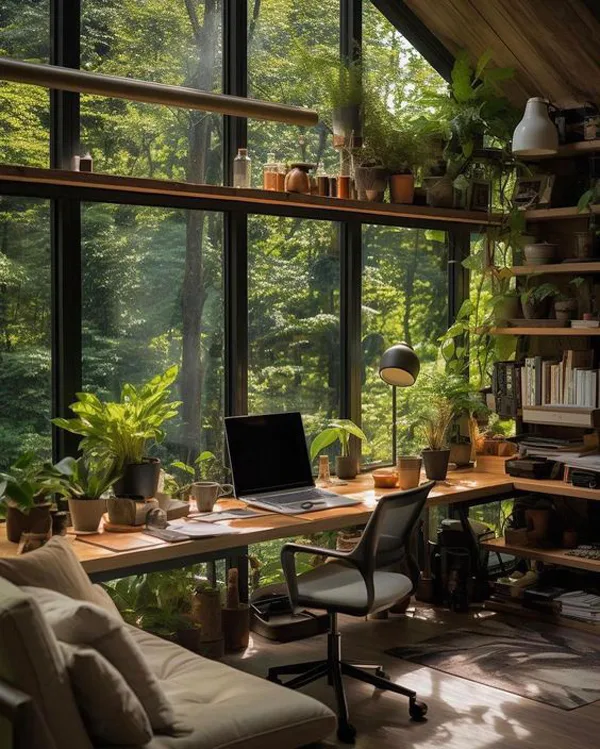
Image source: Bing (Web (fair-use with source credit))
The Visual Building Blocks of a Forest Workspace
Think of the room as four layers. Base surfaces, living elements, light, and texture. Build them in that order and the forest feel appears without any one piece doing too much work.
Wood, Texture, and Surface
Aim for one hero wood tone with one supporting tone. Walnut with pale oak, or reclaimed barn wood with ash. Three or more wood tones, and the room starts to look like a furniture showroom rather than a forest.
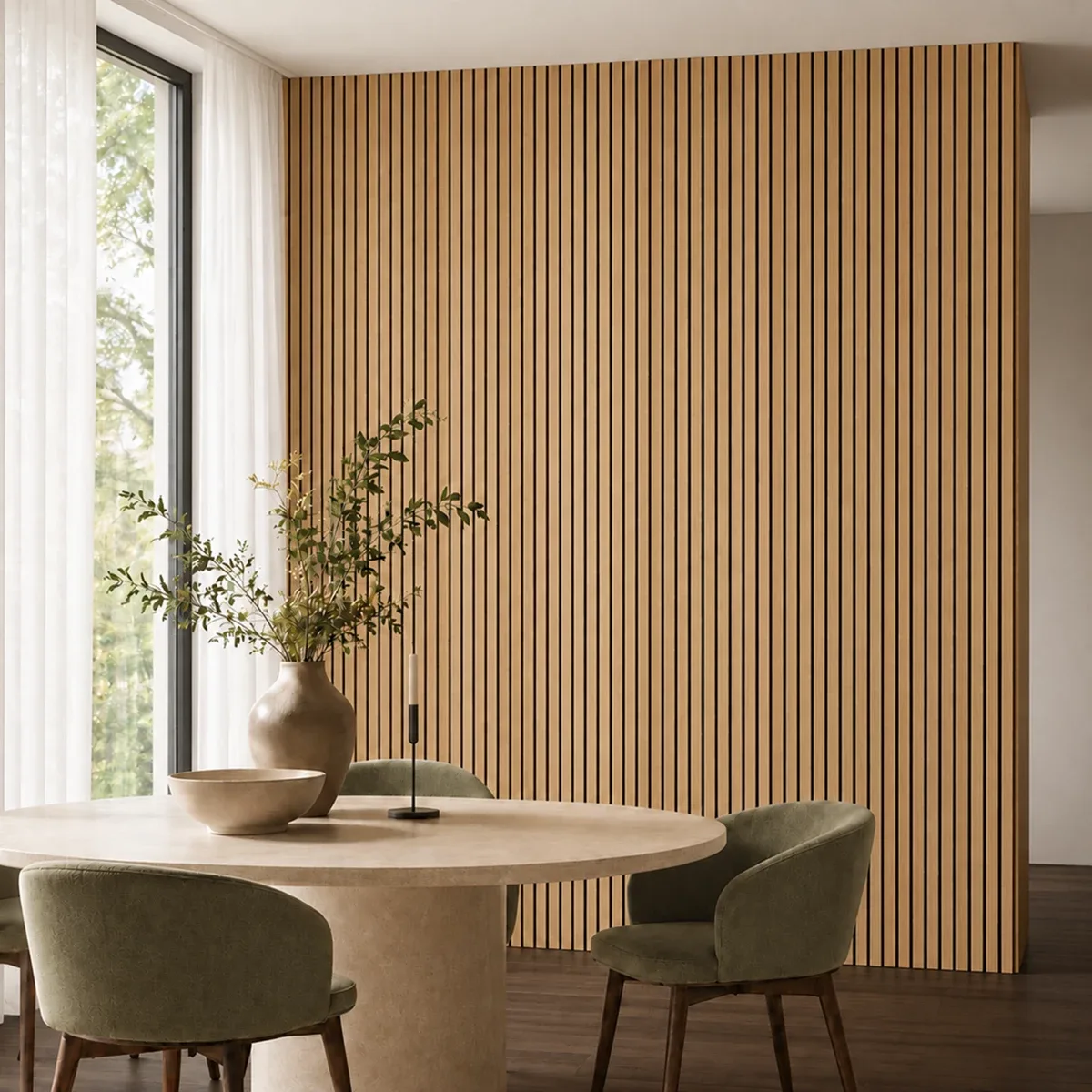
Image source: Bing (Web (fair-use with source credit))
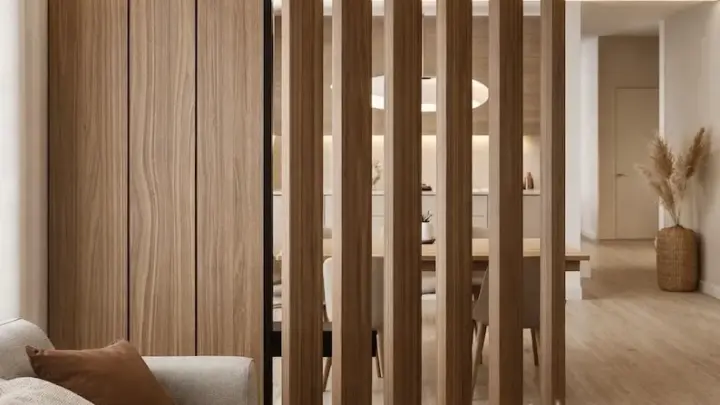
Wood slat accent walls are the highest-impact single move. Manufacturer specifications for typical acoustic slat panels list sizes around 94 inches tall by 12.6 or 23.6 inches wide, with MDF cores and real wood veneer. One panel covers roughly 8 square feet, so a 10 by 8 foot wall usually takes 10 to 12 panels.
Felt-backed versions add a noise reduction coefficient, which helps if you take a lot of calls.
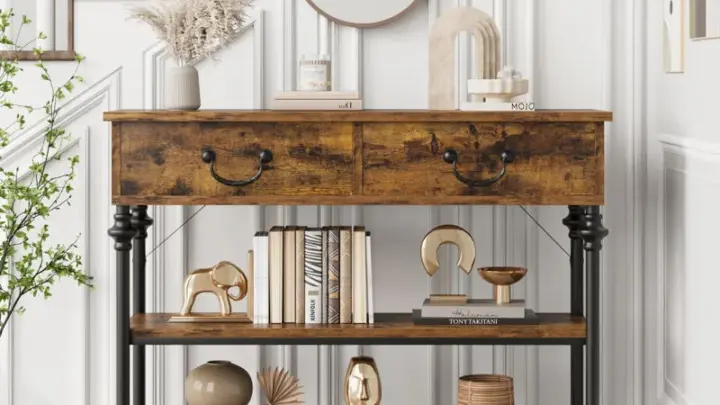
If you can't attach panels, the same visual reads from peel-and-stick wood plank wallpaper, a painted accent wall, or a freestanding wooden shelf unit against the wall.
Layer in natural fibers next. A jute rug under the desk, linen or oatmeal curtains, a rattan pendant, a cork desk mat. These soften the hard edges that make home offices feel corporate.
Greenery That Actually Lives
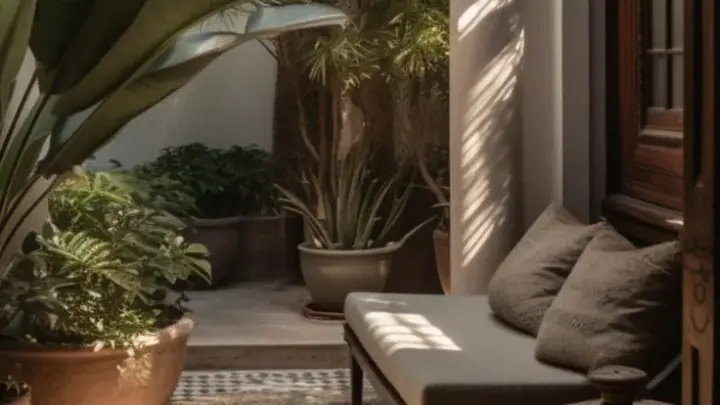
Use five plants in a staggered size mix. That's the sweet spot. One large anchor, two medium fillers, one trailing piece, one small desktop plant.
Any more and the room tips from woodland into jungle.
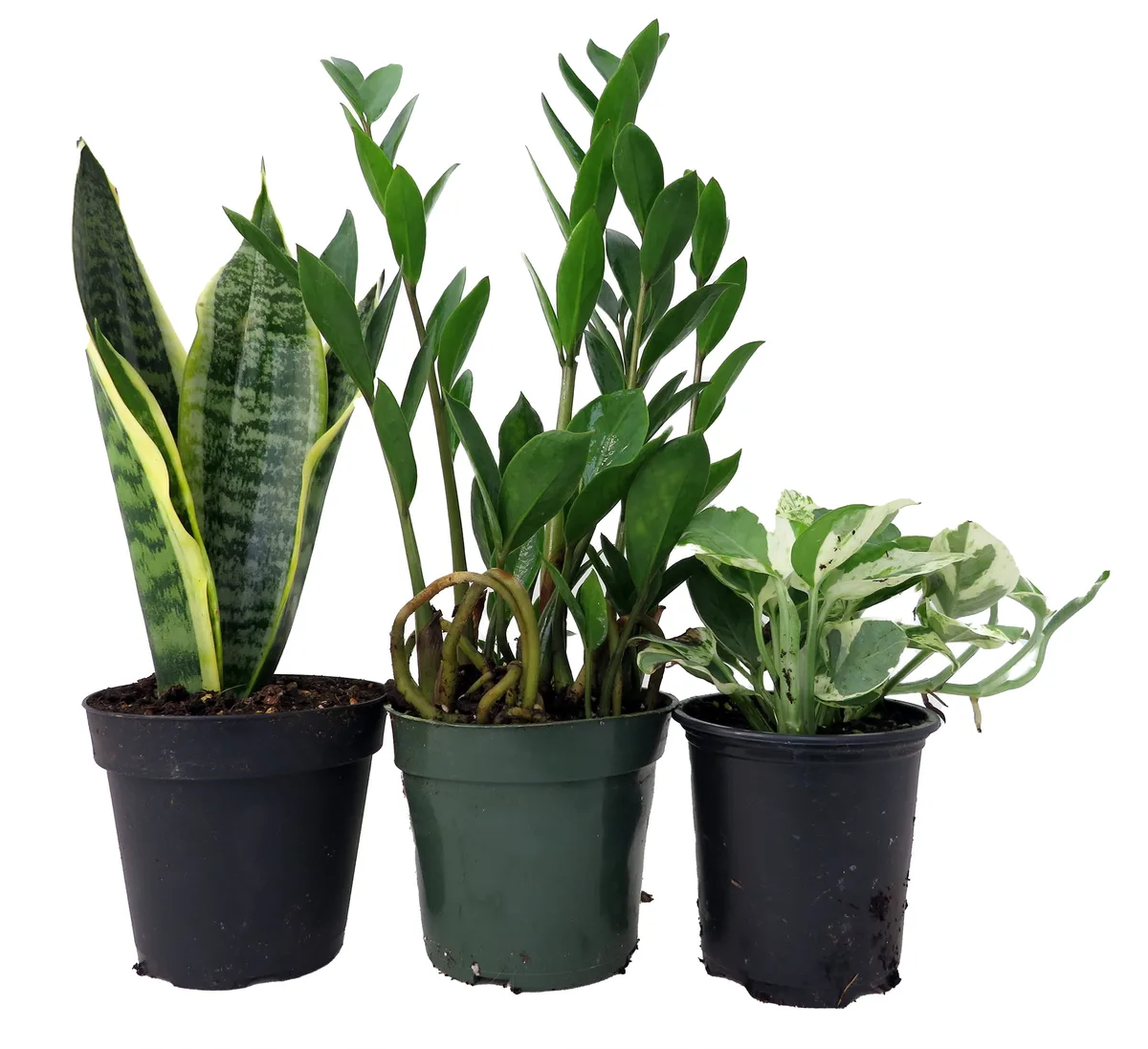
Image source: Bing (Web (fair-use with source credit))
Low-light champions that survive dim offices: pothos, snake plant, ZZ plant, philodendron, and most ferns. Sun-hungry statement plants like fiddle leaf fig and monstera need a bright window or a grow light, or they'll stretch and drop leaves within months.
If you want the moss-wall look without the maintenance, preserved moss art panels are the rental-friendly option. Preserved reindeer and mood moss keep their color for years in dry rooms, but they discolor and shed in high humidity. Know your climate before you commit.
Lighting That Sells the Forest
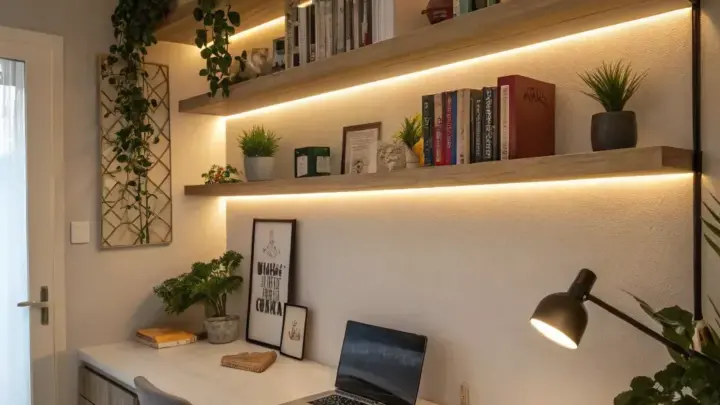
Lighting is the single biggest visual upgrade, and most people get it wrong. Warm white at 2700K with a color rendering index (CRI) of 90 or higher makes wood and foliage look genuinely natural. Cool bulbs at 4000K or above flatten everything into a hospital-corridor look, no matter how nice your plants are.
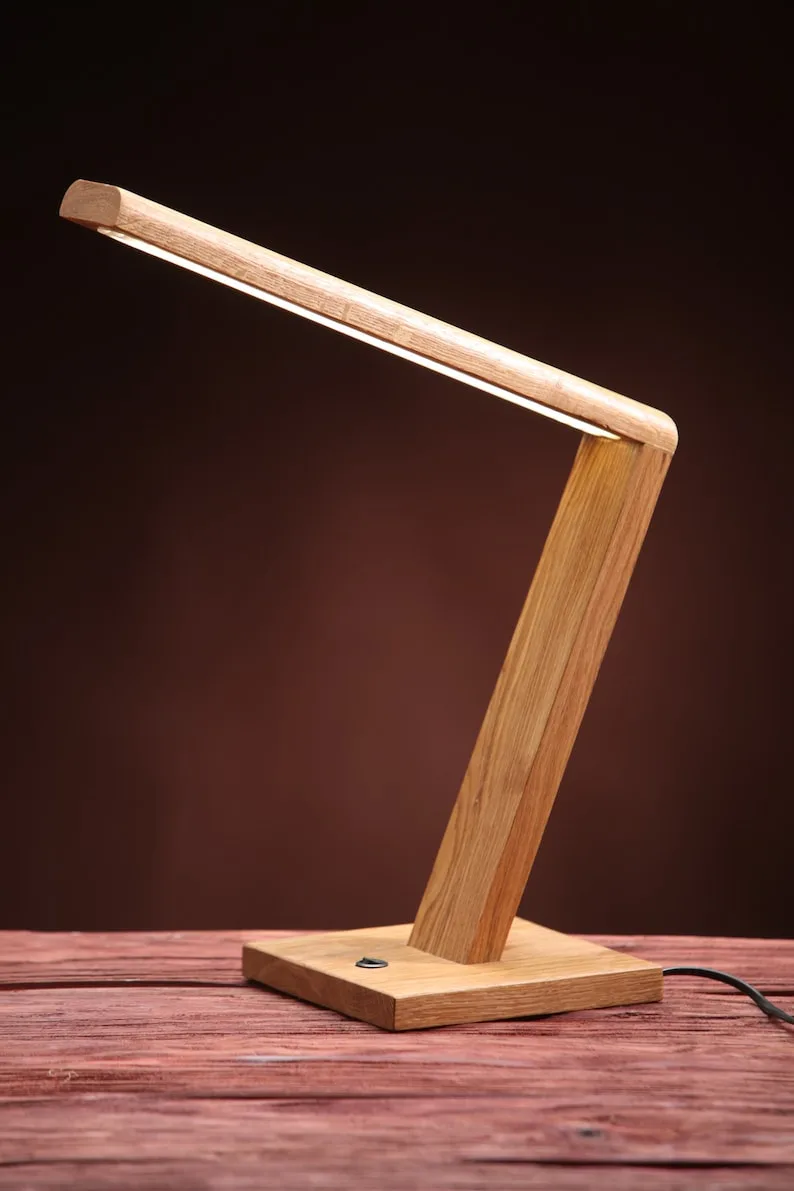
Image source: Bing (Web (fair-use with source credit))
Split the lighting into two jobs. A task light at the desk, around 3000K to 4000K at 400 to 600 lumens, keeps you focused without eye strain. An ambient source on the opposite side of the room fills the shadow areas the way canopy light does in a real forest.
Smart bulbs help here. Set them to shift warmer after sunset and you get a circadian effect that reads moody and forest-like without any extra fixtures.
Styling Without Clutter: The Layering Order
Build in this order and you won't over-decorate.
- Base surfaces: paint or wallpaper the focal wall, then add wood furniture.
- Living layer: plants, moss art, or a vertical planter.
- Light layer: task lamp, ambient source, warm bulbs.
- Texture layer: rug, curtains, basket, throw.
- Atmosphere: forest soundscape app, cedar or fir diffuser blend.
The rule that separates woodland from jungle: one oversized focal texture beats five small ones. Pick your anchor plant or moss panel and let it dominate.
Shelf styling is its own trap. If plants compete with your monitor, move them to the side of the desk, not behind the screen. Aggregate user reviews of ergonomic setups consistently flag plants that block eye flow as a top frustration.
Visual Mistakes That Kill the Forest Look
The most common mistake is matching green to green. Green walls, green decor, green plants, and no neutral anywhere. The room reads as a themed café, not a workspace.
Break it with cream, oak, or brass.
Fake plants under warm bulbs look plastic because warm light catches the sheen of polyester leaves. If you go faux, use UV-stable silk and pair it with cooler task lighting so the texture doesn't glow.
Too many small plants, scattered across every surface, creates visual noise instead of calm. Consolidate into three or four defined clusters rather than ten single pots.
Cords are the quiet killer. One tangle of cables under a beautiful wood desk ruins the whole effect. Cable trays, sleeves, and an under-desk basket solve it in an afternoon.
Peel-and-stick wallpaper on textured walls or in humid rooms lifts at the edges within a year. Check your wall texture and your room's humidity before committing.
Finally, watch for the "café theme" tell. Signs, mugs with forest slogans, and wood carvings that don't serve a function. Keep the props working or cut them.
Rental-Friendly and Small-Space Moves
No drilling, no repainting, and no stopping the security deposit. If that's your situation, the priority order shifts.
- Freestanding wood shelf or ladder shelf against the focal wall.
- Plant stands at varying heights to fake the layered canopy look.
- Wall planters that clip or hang on existing picture hooks.
- Peel-and-stick wood plank wallpaper on one wall only, removable grade.
- Gravity-fed or self-watering planters so vacations don't kill the greenery.
- A large area rug to warm up carpet without touching the floor.
For small rooms, go vertical. Wall-mounted planters, a propagation station on the wall, and a preserved moss panel high up draw the eye upward and make the room feel taller.
Skip the slat wall and the living wall in a small rental. Both need anchoring and both dominate the room the moment you install them. Save the big moves for a space you own.
If you rent and want to check what's permitted, your lease is the primary source, and most tenancy guidance from government housing agencies confirms removable décor that doesn't alter the wall surface is generally fine.

Similar Posts