Tiny Tokyo Apartments: Clever Compact Furniture Ideas
It's a familiar squeeze. You move into a Tokyo apartment with compact furniture filling every corner, then realize the sofa was measured but the doorway wasn't. The room fits the layout on paper; your life doesn't fit inside it.
Japanese floor plans are quoted in 畳 (tatami mats), where one mat is roughly 1.62 to 1.65 square meters. A typical 1K unit lands between 20 and 30 square meters, and standard Japanese single beds measure 97×195cm. Every centimeter of width, depth, and swing matters.
Here's how to plan around those numbers instead of fighting them.
tokyo apartment with compact furniture
A tokyo apartment with compact furniture works best when you measure the unit first, then buy pieces to match. Standard 1K units run 20 to 30 square meters. Japanese single beds measure 97×195cm.
Confirm doorway width, ceiling height, and elevator size before ordering anything. Fold, stack, and go vertical wherever possible.
Measure Before You Buy: The Numbers That Decide What Fits
Most first-time renters measure the room and stop there. That's the mistake. Delivery access, ceiling height, and the swing of a sliding door decide whether a piece actually makes it inside.
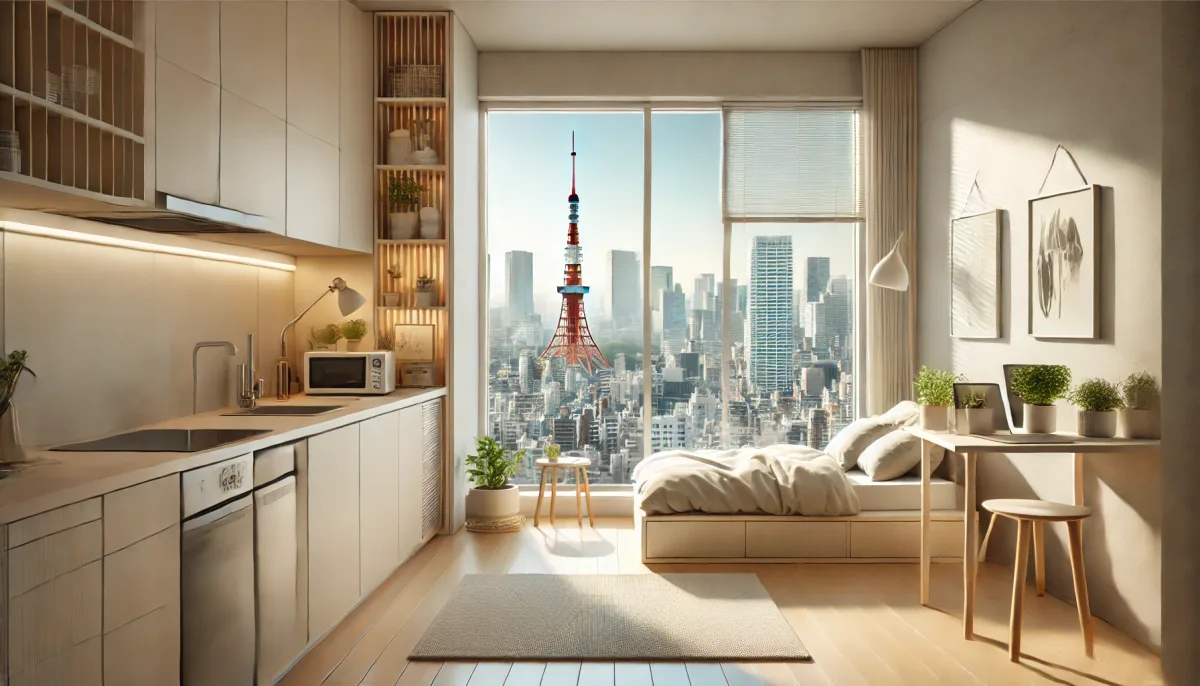
Image source: Bing (Web (fair-use with source credit))
Grab a tape measure and write down four numbers before you shop. Room dimensions, doorway width, ceiling height, and elevator interior. Those four values rule out most bad purchases.
Room Size, Ceiling Height, and Floor Plan Basics (1R, 1K, 1DK, 1LDK)
Japanese listings use a shorthand you'll see everywhere. 1R means one room with no kitchen divider. 1K adds a small kitchen, usually separated by a door. 1DK gives you a dining-kitchen area, and 1LDK adds a proper living space on top.
Sizes scale with those labels. A 1R might sit at 15 to 20 square meters. A 1K typically runs 20 to 30, while a 1LDK stretches to 40 to 55 square meters.
Older wooden apartments often have ceilings at 2.4 meters. Newer steel-frame manshon usually reach 2.5 to 2.7 meters.
That ceiling difference kills loft beds in older units. A semi-loft frame that works fine under a 2.6-meter ceiling will feel like a coffin under 2.4. Measure yours before you fall in love with a bunk design.
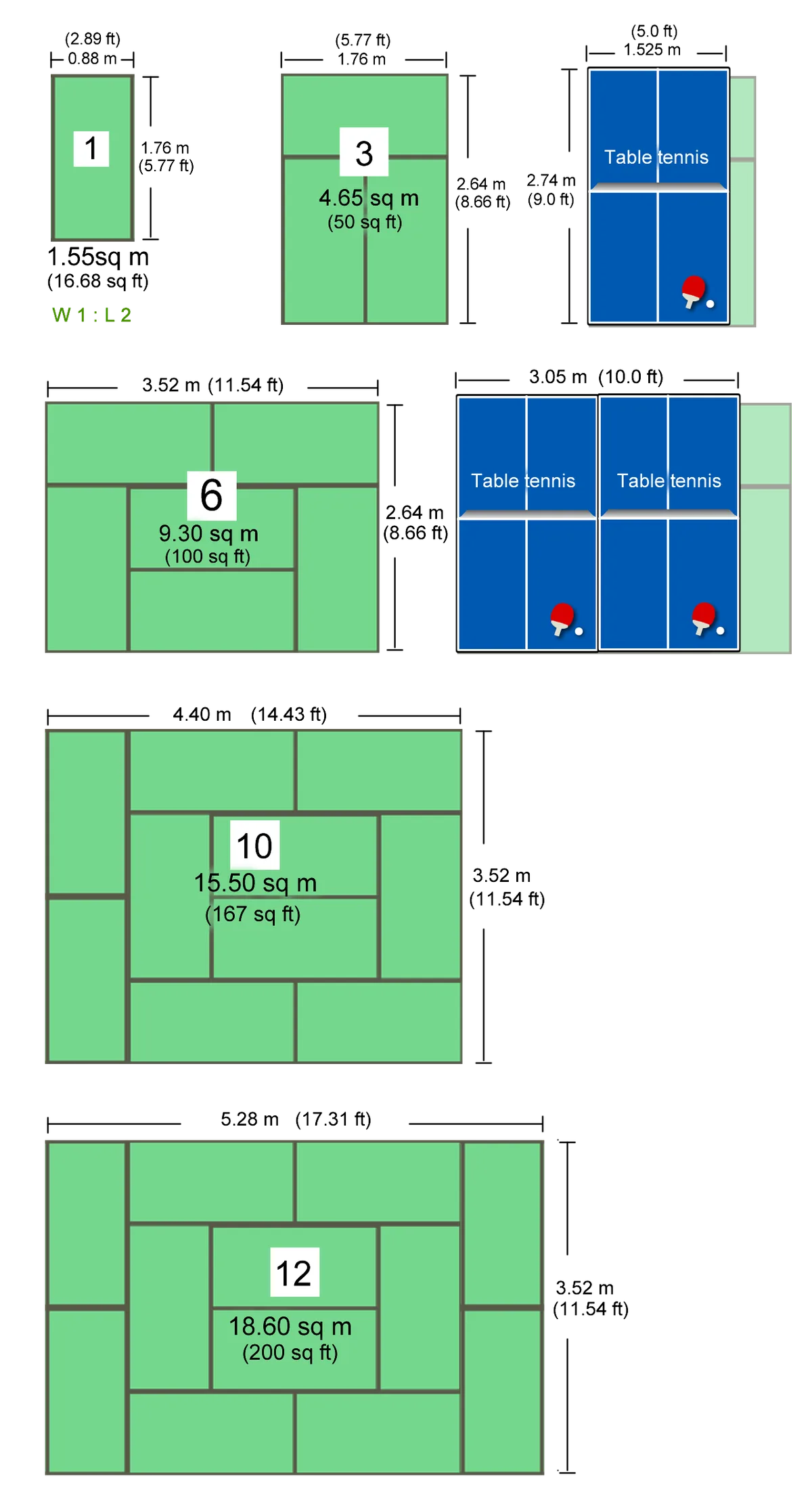
Image source: Bing (Web (fair-use with source credit))
Doorways, Corridors, Elevators, and Delivery Access
A sofa can clear an apartment door and still jam in the corridor turn. Standard door openings in Tokyo run 70 to 80cm wide. Older buildings often sit at the narrow end.
Older elevators are the real trap. Interior dimensions of 90×120cm are common, and some are smaller. If you're on the fourth floor with a tight elevator, a flat-pack bed frame that arrives in one long box may not fit at all.
Walk the full delivery path before ordering. Front door, corridor, elevator, apartment door, then the final turn into the room. Add a few centimeters of buffer for packaging and your hands.
Japanese Bed Sizes and Why They Trip Up New Renters
Bed sizing catches foreign renters off guard. A Japanese single is 97×195cm, narrower than a Western twin. Semi-double runs 120×195cm, double is 140×195cm, and queen stretches to 160×195cm.
That narrow single saves floor space but limits bedding options. Most Japanese futons, sheets, and mattress pads are cut to these exact dimensions. Buy a foreign-made double and you'll struggle to find compatible linens.
If you sleep alone and space is tight, a single or semi-double is the practical pick. If you host a partner regularly, semi-double is the sweet spot. It's meaningfully wider than a single without eating a double's footprint.
A Simple Measuring Workflow You Can Do in Ten Minutes
Follow this order and you'll avoid almost every fit problem.
- Measure each room's length and width at floor level.
- Check ceiling height at the lowest point, not the middle.
- Measure every doorway, both width and height.
- Measure the elevator interior and door opening.
- Sketch the floor plan and mark outlets, windows, and the AC unit.
- Mark door swing arcs so you don't block them with furniture.
Ten minutes of this saves a return shipping fee and a ruined weekend. It also tells you exactly which furniture categories are even possible in your unit.
The Furniture That Actually Works in Small Tokyo Units
Not every space-saving piece earns its place. Some fold but feel flimsy. Others store well but block walking paths once deployed.
These are the categories that hold up in real Tokyo units.
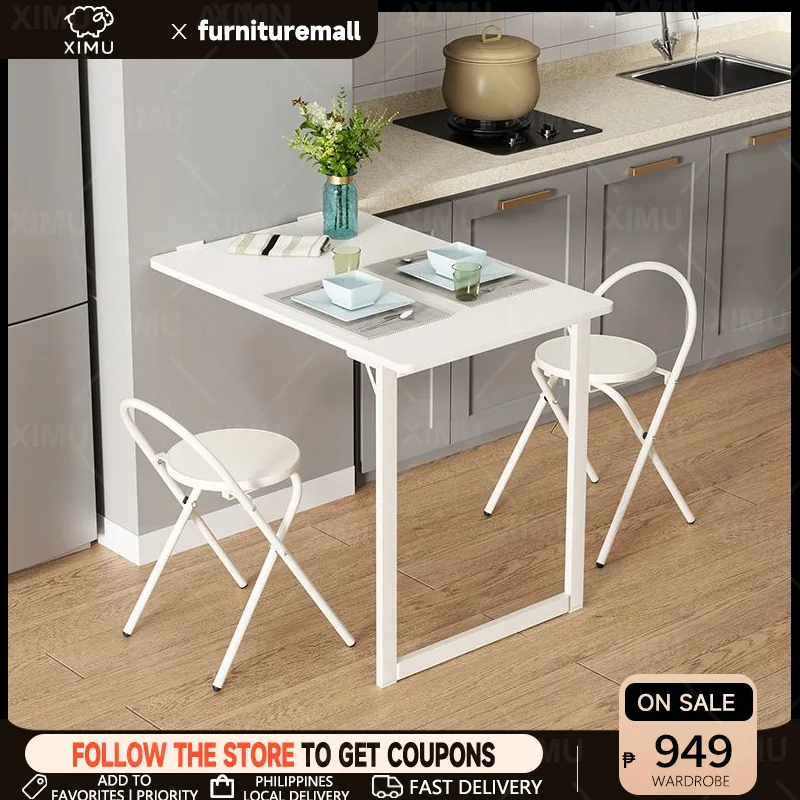
Image source: Bing (Web (fair-use with source credit))
Folding and Nesting Pieces
Folding desks and tables collapse flat against a wall when you're done. Nesting tables stack into one footprint until guests arrive. Both are rental-friendly because they need no drilling.
A folding desk at 60 to 100cm wide handles a laptop and a second monitor. When folded, it might drop to 10cm of depth. That reclaims a walking lane in a 6-tatami room.
The tradeoff is stability. Cheap folding furniture wobbles under real use. Look for steel cross-bracing and a locking hinge rather than thin particleboard.
Multi-Functional and Storage-Integrated Furniture
A sofa bed turns your living zone into a guest room. A bed with built-in drawers turns dead space under the mattress into real storage.
Storage beds are the quiet winner here. Their footprint matches a regular bed, but the drawers replace a whole dresser. Per manufacturer specs from major Japanese retailers, a standard under-bed drawer holds roughly 60 to 90 liters.
Ottomans that open into storage, coffee tables with lift-up tops, and benches with hidden compartments all pull double duty. Each piece should earn its floor space twice over.
Vertical and Gap Storage (Including No-Drill Options)
When floor space runs out, go up and into the cracks. Tension-rod racks (突っ張りラック) wedge between floor and ceiling without a single screw. That's gold in a rental where drilling voids your deposit.
Gap storage (すき間収納) targets the 10 to 20cm slots beside fridges, washing machines, and toilets. Slim rolling carts slide in and hold cleaning supplies, spices, or toiletries.
Over-door hooks and over-fridge racks add capacity without touching the walls. Tall narrow towers use vertical height that most renters ignore. Just anchor anything over waist-high to a wall or tension rod, since Tokyo sits in an active earthquake zone.
Futons, Loft Beds, and Murphy Beds
A shikibuton futon folds and stores in a closet by day. In a 1R or a tatami room, that's the single biggest floor-space win available. It's also the cheapest option, often ¥8,000 to ¥30,000.
Loft and semi-loft beds raise sleep above a desk or storage zone. They work in units with 2.5m ceilings but fail under 2.4m. Check your ceiling first, and confirm your lease allows the frame.
Murphy beds (wall beds) save the most floor space but usually need wall anchoring. Most Tokyo rental leases ban that kind of drilling. They're realistic for owned condos, not rentals.
What to Skip
Skip oversized sectionals, king beds, and deep armchairs. Skip anything wider than your doorway minus a few centimeters. Skip heavy solid-wood pieces if you might move within a year, since bulky-item disposal fees add up.
Skip decorative shelving with no storage function. In a small unit, every surface should hold something or do something.
Side-by-Side: Choosing the Right Compact Piece for Your Layout
Different layouts call for different pieces. Use this table to match furniture to your floor plan and rental situation.
| Furniture Type | Footprint | Rental-Friendly | Typical Cost | Best For |
|---|---|---|---|---|
| Futon (shikibuton) | Zero when folded | Yes | ¥8,000–¥30,000 | Tiny 1R, tatami rooms |
| Sofa bed | Small when folded | Yes | ¥15,000–¥80,000 | Studios with guest use |
| Storage bed | Same as regular bed | Yes | ¥25,000–¥90,000 | Anyone needing drawer space |
| Loft bed | Vertical gain | Sometimes | ¥20,000–¥70,000 | High ceilings, students |
| Folding desk | Zero when folded | Yes | ¥5,000–¥25,000 | Remote workers |
| Tension rod rack | Wall-to-ceiling | Yes | ¥3,000–¥10,000 | Rentals, no-drill storage |
| Murphy bed | Zero when up | Usually no | ¥80,000+ | Owned units only |
Match the piece to your unit, not to a Pinterest board. If you rent and might move, weight the rental-friendly column heavily. If you own and plan to stay, a murphy bed or loft frame pays off over years.
Futons and storage beds win on pure efficiency. Loft beds win when the ceiling cooperates. Sofa beds win when you host but can't spare a second room.
Pick based on your lease, not the other way around.
Layout Zoning in a 1K or 1LDK: Making One Room Do Four Jobs
A 1K is one room. That doesn't mean it can only do one thing. Zoning lets a single space handle sleep, work, eating, and storage without a wall between them.
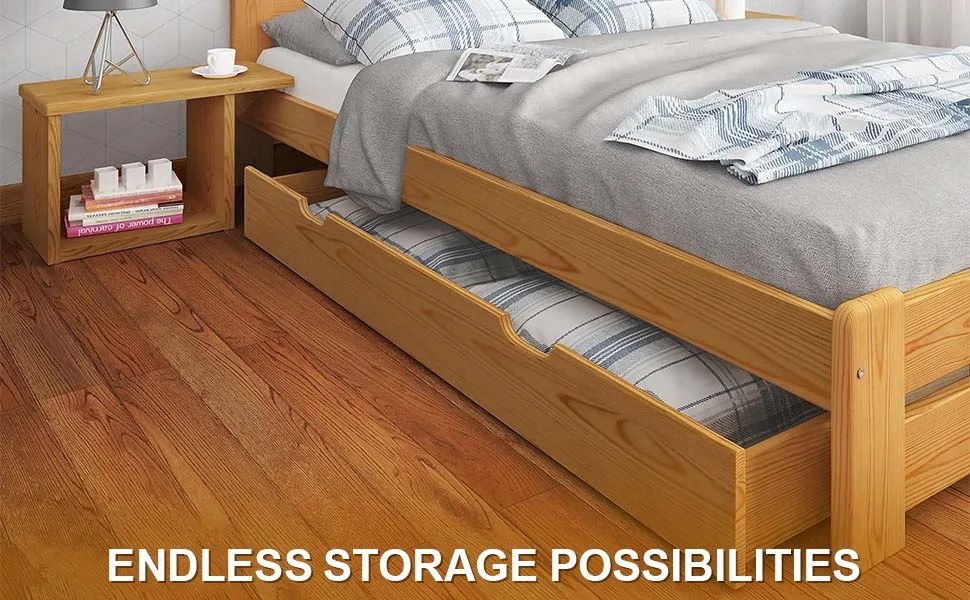
Image source: Bing (Web (fair-use with source credit))
The trick is visual and physical separation. Furniture placement, rugs, and lighting tell your brain where work ends and rest begins.
Sleep Zone
Put the bed or futon in the corner farthest from the door if you can. A futon folds into the closet each morning, freeing the whole floor. A storage bed claims that corner permanently, so treat it as final placement.
Keep a clear lane from bed to bathroom. Roughly 60cm of walking width is the minimum that doesn't feel cramped in a Tokyo unit.
Work Zone
A folding desk near a window gives you daylight and a reason to close it at 6pm. That closing ritual matters in a one-room apartment, where work never physically leaves.
Point the desk at a wall, not into the room. It feels less like an office in the middle of your living space, and it makes the room look larger from the door.
Living and Dining Zone
A nesting table set handles meals and guests on the same footprint. A two-seat table at 70 to 80cm diameter seats two comfortably and four tightly.
A slim sofa or a pair of floor chairs rounds out the zone. Keep the walkway from door to kitchen clear at all times or the apartment will feel half its actual size.
Storage Zone
Push storage to the walls and up the height. Tall narrow towers, tension rod racks, and gap carts cluster into one zone instead of scattering around the room.
Cluster storage along a single wall if possible. Scattered storage reads as clutter even when the volume is identical. One dense wall plus open floor beats evenly distributed furniture every time.
Rental Rules, Damage Fees, and Disposal: What Tokyo Renters Need to Know
Your lease decides which furniture is even possible. Read the contract before you order anything, because a drilled hole can cost more than the furniture itself.
Most Tokyo rental leases ban wall drilling outright. That rules out standard murphy beds and heavy wall-mounted shelving. Tension rods and freestanding racks are the safe path for renters.
Tatami damage is the sneaky cost. A heavy bed frame leaves permanent dents in the mat surface. Replacing tatami runs roughly ¥10,000 to ¥30,000 per mat depending on grade and region, per standard Japanese housing practice.
Wallpaper repair adds up too. Anchor holes, adhesive residue, and scrapes all get billed at move-out. Photograph every wall on day one so you have proof of its original condition.
Disposal and the Sodai Gomi System
Bulky furniture can't go in regular trash. You need a sodai gomi (bulky waste) booking through your ward office. Each of Tokyo's 23 wards sets its own fee, typically ¥400 to ¥1,200 per item.
Skipping the booking and dumping furniture is illegal. It also follows you if the item has your name or address on it. Use a licensed removal service or the official ward process.
Anti-Tip and Earthquake Safety
Tokyo sits in an active seismic zone. Tall bookcases, shelving towers, and storage racks need anchoring, even in rentals. Tension rods and furniture straps give you anchoring without drilling.
Per Japan's consumer safety guidance and JIS furniture standards, tall freestanding units should be secured before daily use. A toppled bookcase in a 2.4-meter room is a real hazard, not a theoretical one.
Where to Buy Compact Furniture in Tokyo (and How to Save)
Nitori, Muji, IKEA Japan, and Tokyo Interior anchor the mainstream market. Each offers compact lines sized for Japanese floor plans. Nitori leans budget, Muji leans clean design, IKEA leans modular.
For used pieces, sayonara sales groups on Facebook and Jimoty carry the best deals. These peak in March and August when job transfers force quick moves. Mercari works for smaller items you can ship.
Recycle shops like Treasure Factory and Off House stock inspected used furniture at a fraction of retail. Inventory changes daily, so visit in person rather than relying on the website.
Timing Your Purchase
Buy small items first and live in the space for a week. You'll learn where the light falls and where walking paths actually go. Then buy the big pieces.
Large-item delivery in Tokyo usually requires someone home. Unattended drop-off is rare for furniture. Book a delivery window you can actually keep.
Flat-pack saves money but costs an evening. Pre-assembled costs more but arrives ready. If your unit has a tight corridor, flat-pack is often the only way the box gets through.
Mistakes That Shrink a Tokyo Apartment
Buying before measuring is the number one mistake. A sofa that looked compact online can block the only walking lane in a 1K. Measure first, order second.
Overloading storage is the second trap. Filling a room with shelves and boxes makes it feel smaller, not bigger. Storage should hide clutter, not create it.
Ignoring the Delivery Path
That couch may fit the room but not the elevator. Walk the entire route with a tape measure before ordering. This one check prevents most failed deliveries.
Choosing Dark, Heavy Furniture
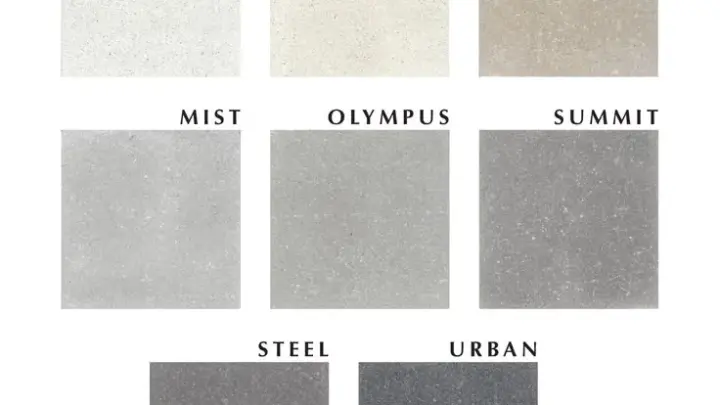
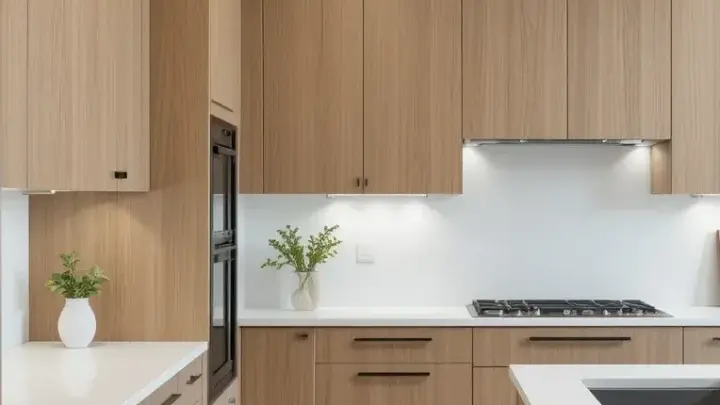
Dark bulky pieces visually shrink a small room. Light-toned wood, white, and greige finishes expand it. This is about how the space reads, not just how much it holds.
Skipping Vertical Space
Floor-only thinking wastes the biggest asset in a small unit: height. Tension rod racks, tall towers, and over-door storage use space you're already paying for.
Forgetting the Six-Month Rule
If you might move within a year, weight portability heavily. Light flat-pack pieces travel cheaply. Heavy solid-wood pieces cost real money to dispose of and replace.
Frequently Asked Questions
What size apartment in Tokyo needs compact furniture?
Anything 30 square meters or under benefits most. That covers most 1R and 1K units. A 1LDK at 40 to 55 square meters still benefits from space-saving pieces to keep walkways clear.
Can I install a murphy bed in a Tokyo rental?
Usually no. Most leases ban wall drilling, and murphy beds need heavy anchoring. Tension rod systems and freestanding storage are the rental-safe alternatives.
Murphy beds suit owned condos instead.
What's the cheapest compact furniture option for a small Tokyo unit?
A shikibuton futon. It folds into a closet by day and costs roughly ¥8,000 to ¥30,000. Paired with a folding desk and a tension rod rack, it covers sleep, work, and storage cheaply.
Do I need permission to put furniture in a rental?
You don't need permission for normal freestanding furniture. You do need it for anything drilled, glued, or built in. Check your lease for clauses on wall anchors and tatami protection.
How do I dispose of bulky furniture in Tokyo?
Book a sodai gomi pickup through your ward office. Fees run about ¥400 to ¥1,200 per item depending on size. Alternatively, use a licensed removal service or sell it through sayonara sales.
How much walkway space should I leave?
Aim for at least 60cm of clear walking width. That's the minimum that doesn't feel cramped in a Tokyo unit. Door-to-kitchen paths need priority since you use them constantly.

Similar Posts