Scandi Boho Small Foyer Ideas for a Welcoming Entry
Small foyers are the toughest decorating challenge in a home. You need scandi boho small foyer ideas that add warmth and function without eating the space you walk through. Most people overshop and under-measure, then wonder why the entry feels cramped.
The fix is simpler than you think.
The Scandi-boho look pairs clean Scandinavian lines with bohemian texture. Per CPSC furniture-stability guidance, anything you place in a hallway needs anchoring or a low center of gravity. Get that right and you have a warm, safe, photogenic entry.
Here's how to pull it off, room by room.
scandi boho small foyer ideas
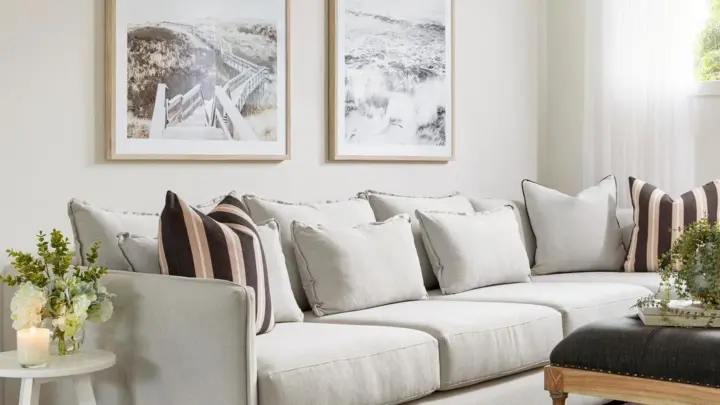
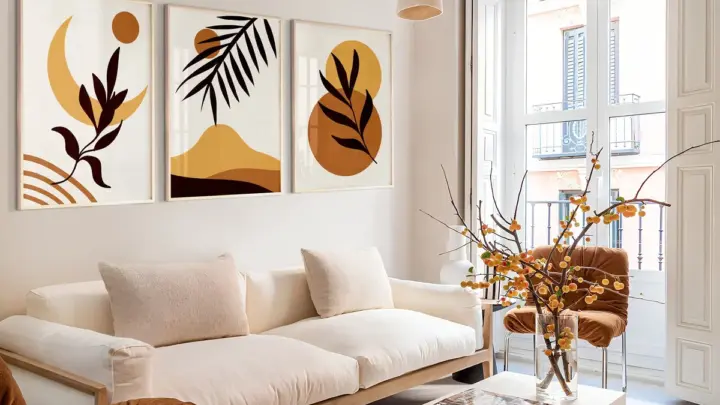
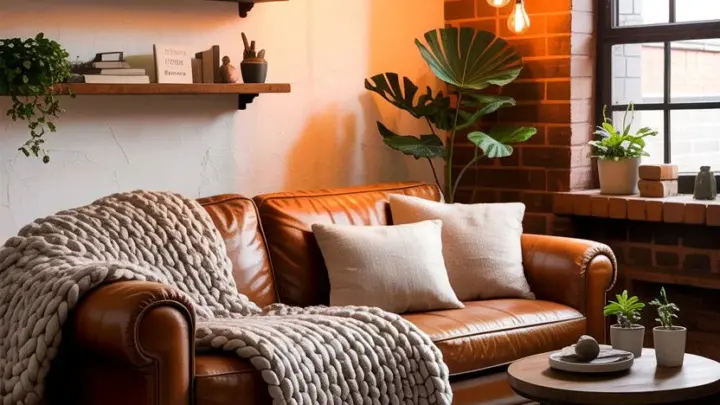
Scandi boho small foyer ideas mix light woods, warm neutrals, and natural fibers in a tight footprint. Pick one anchor piece like a narrow console or bench. Add a mirror and peg rail for vertical storage.
Cap yourself at three textures and one accent color. Keep 30 to 40 percent of the wall visually empty.
Why Small Foyers Live or Die on Visual Decisions
A small foyer is a sightline, not a room. Your eye reads the whole space in about two seconds, so every object either earns its place or fights everything else. That's why the same console that looks stylish in a hallway photo can wreck a 4-foot entry.
Context is everything.
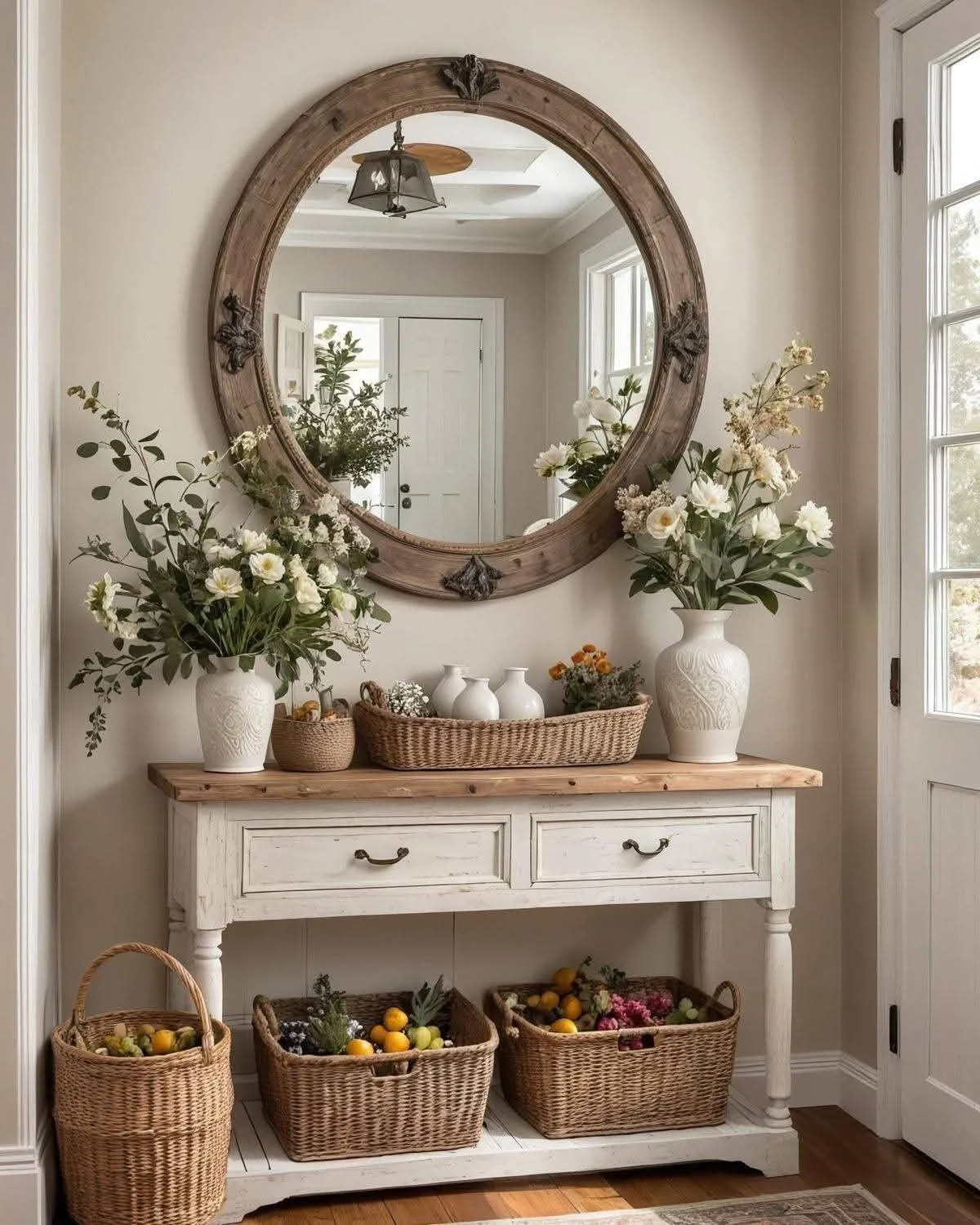
Image source: Bing (Web (fair-use with source credit))
Picture two foyers side by side. One has a console, a rug, a bench, a gallery wall, and a plant. The other has a mirror, a slim console, and one dried stem in a vase.
Same budget, wildly different results. The second one feels bigger and calmer. That's the Scandi principle at work: restraint creates the illusion of space.
Boho gets a bad rap in tight quarters. People hear "bohemian" and think layered rugs, macrame, and fifteen throw pillows. In a big living room, that's charming.
In a 5×5 foyer, it's visual noise. The trick is borrowing boho's warmth and texture while keeping Scandi's discipline about negative space.
If you take nothing else from this, remember the 30 to 40 percent rule. That's the share of your foyer wall that should read as empty, calm space. Per interior-design fundamentals taught in university extension programs, negative space is what makes small rooms feel intentional rather than overcrowded.
The Scandi-Boho Formula: Where Minimalism Meets Warmth
Think of it as a ratio. Roughly 70 percent Scandinavian, 30 percent bohemian. The Scand half gives you the light palette, natural wood, and clean silhouettes.
The boho half brings the texture, the earthy accents, and the lived-in warmth.
Here's what each side contributes.
Scandi side (base layer)
- Warm white, oatmeal, and sand walls
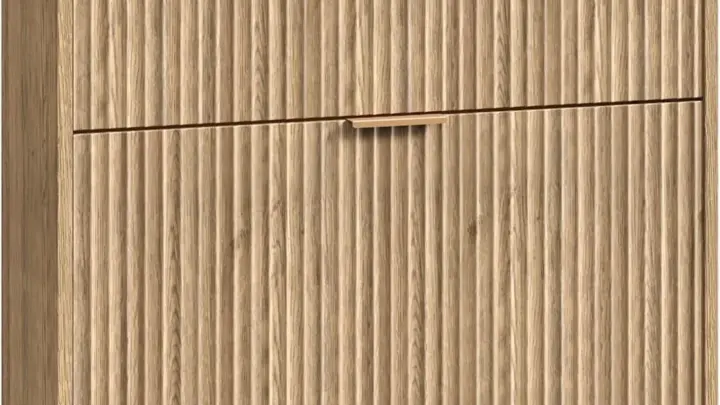
- Light oak, ash, or birch furniture
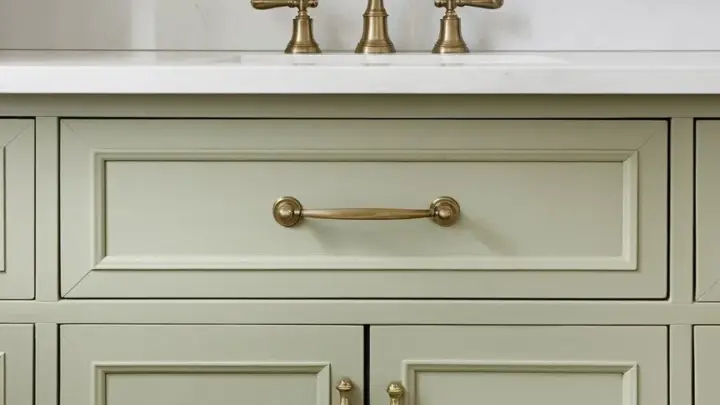
- Matte black or unlacquered brass hardware
- Round or arched mirrors with thin frames
- Flatweave or jute runners in neutral tones
Boho side (accent layer)
- One terracotta or clay accent
- Dried botanicals (pampas, eucalyptus, bunny tails)
- One woven element (seagrass basket, rattan tray)
- Sheepskin or chunky knit texture
- Stoneware or matte ceramic vessel
The ratio matters more than the specific pieces. If you add two boho accents, drop one Scandi element to compensate. If the palette skews too cool, warm one thing up with clay or brass.
What if your foyer has zero natural light? Lean harder Scandi. Cool greys look grey-er in the dark.
Warm whites, a lit sconce at 2700K, and a mirror facing the brightest adjacent room will bounce light where there isn't any. That combination alone can save a windowless entry.
What if you've got a long, narrow galley hall instead of a square foyer? Drop the console entirely. Go with a floating shelf at 36 inches, a peg rail above it, and a runner that runs the full length.
Narrow spaces read wider when the horizontal lines stretch, not when you stack vertical furniture.
What Actually Fits in a 4×6 Foyer (With Real Measurements)
Most small foyers land between 4×6 and 6×8 feet. That sounds roomy until you subtract the door swing. A standard interior door needs 32 to 36 inches of clear arc to open fully.
Subtract that and you're decorating a sliver.
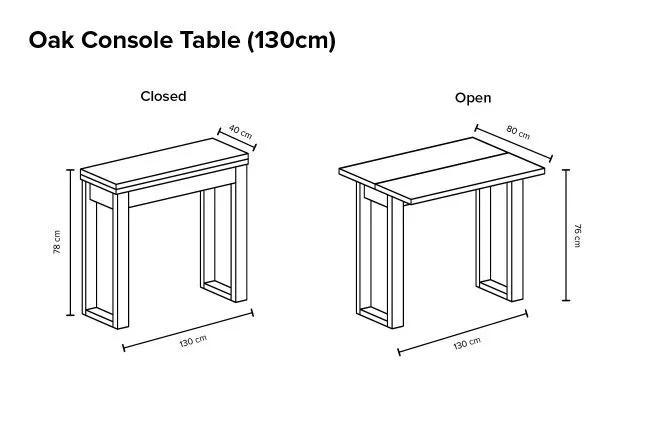
Image source: Bing (Web (fair-use with source credit))
Measure these three things before you buy anything. First, the wall widths on each side. Second, the door swing radius (mark it with painter's tape on the floor).
Third, the ceiling height. Everything else follows from those numbers.
Here's a quick reference for what fits where.
| Piece | Ideal Size | Wall Type |
|---|---|---|
| Console table | 10 to 14 in deep, 28 to 32 in tall | Solid wall, no swing conflict |
| Bench | 14 to 18 in deep, 16 to 18 in seat height | Under a window or on door-hinge wall |
| Floating shelf | 6 to 8 in deep, 36 in above floor | Any wall, minimal footprint |
| Runner rug | 2×6 ft (small), 2.5×8 ft (long hall) | Centered in walk path |
| Round mirror | 20 to 24 in diameter | Anchor wall, 60 to 65 in to center |
Which anchor piece is right for you? Use if/then logic.
- If your foyer is under 4 feet wide, skip the console. Go with a floating shelf or a peg rail only.
- If you have a bare wall opposite the door, a slim console plus a mirror is your move.
- If you need shoe storage, choose a bench with an open shelf underneath over a console.
- If you're in a rental, use a freestanding console or leaning mirror instead of wall-mounted pieces.
- If you have a window, put the bench under it and skip the console entirely.
The single biggest mistake is buying the anchor piece before you measure. Aggregate buyer feedback across furniture retailers shows that returns spike when shoppers ignore depth. A 15-inch console in a 4-foot hallway feels like a wall.
Vertical Space: Mirrors, Hooks, and Peg Rails
In small foyers, the wall is your storage unit. Floor space runs out fast. Vertical space is where function and style actually coexist.
Hang it right and your tiny entry works harder than a mudroom.
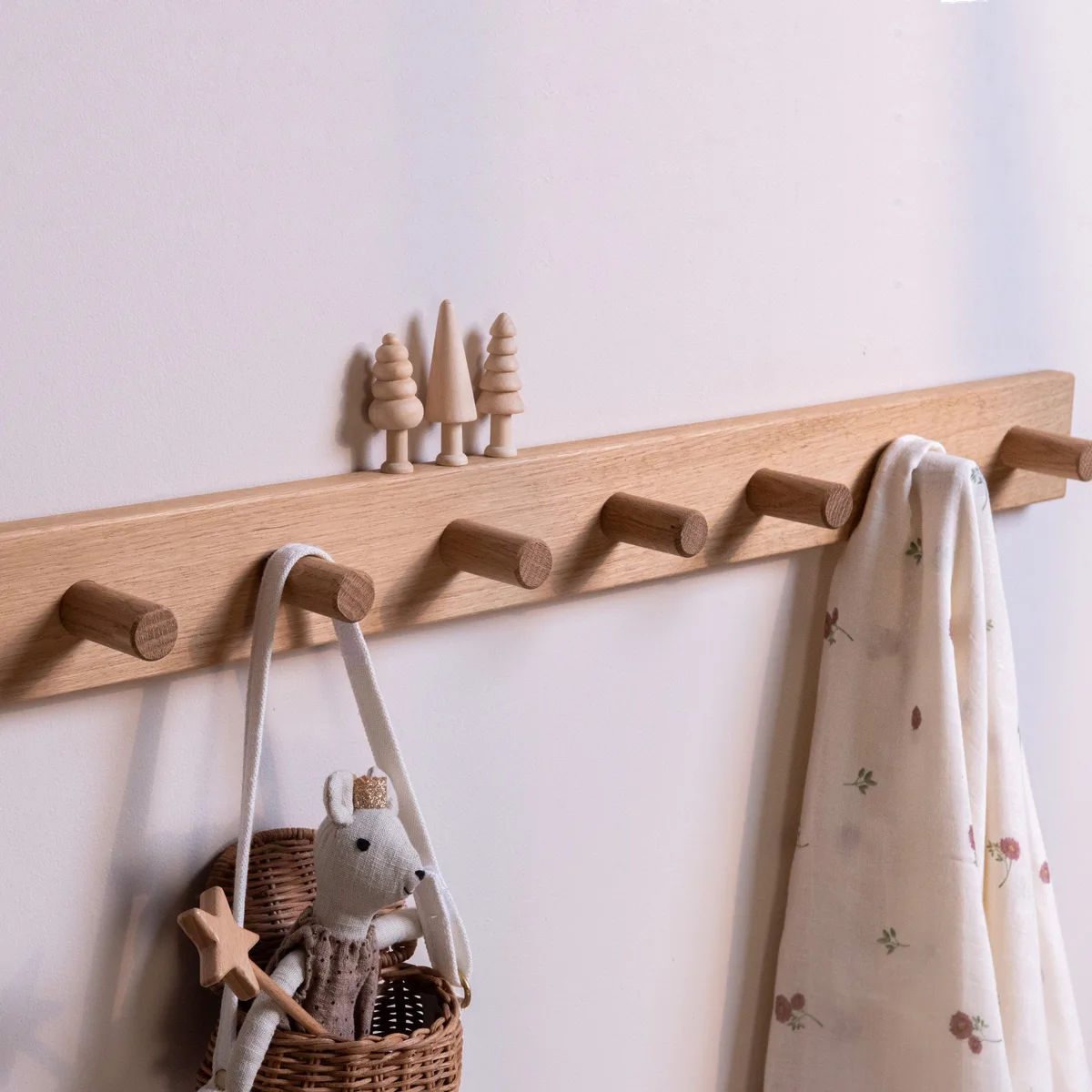
Image source: Bing (Web (fair-use with source credit))
Mount a peg rail or wall hooks at 65 to 68 inches from the floor. That height clears most shoulders and sits at a natural reach for adults. Add a shallow shelf above the rail at 72 inches for small objects, and you've got two functioning zones on one wall.
Mirror placement is trickier than it looks. Center a mirror at 60 to 65 inches from floor, which puts the reflection at most people's eye level. Then check what it reflects.
If it shows a cluttered closet or a bare wall, move it. A mirror should bounce light and show something worth seeing.
For a Scandi-boho peg rail, choose unfinished oak or ash with simple round pegs. Add a small woven basket hung by a leather loop for keys. A single dried stem in a stoneware vase on the shelf finishes it.
Three objects, one wall, no clutter.
One warning: never hang a mirror opposite a front door in foyers where the door has a glass panel. It creates a weird doubling effect when daylight hits at certain angles. And don't hang shelves above 78 inches, because they become unreachable decoration.
Per NFPA fire-safety guidance, keep candles and open flames well clear of dried botanicals and hanging textiles. Dried pampas is essentially kindling. If you want the candle look without the risk, use a flameless LED taper instead.
Step-by-Step: Styling Your Foyer Without Overcrowding It
Work in a fixed order. Buying before measuring is how foyers end up feeling cramped. Follow these six steps and you'll avoid that trap.
Step 1: Measure everything. Wall widths, door swing arc, ceiling height, and traffic path. Mark the door swing on the floor with painter's tape so you can see the dead zone.
Step 2: Pick one anchor piece. Console, bench, or floating shelf. Just one. Two anchors in a small foyer equals instant clutter.
Step 3: Lock the palette. One base color (warm white or oatmeal), one accent (terracotta, sage, or clay), and one wood tone. That's it. Don't add a fourth.
Step 4: Cap your textures at three. For example: oak, jute, and sheepskin. Adding rattan on top of that reads busy in a tight space.
Step 5: Layer light. Aim for two sources: overhead plus an accent sconce, table lamp, or candle at 2700K. One overhead light alone flattens the whole entry.
Step 6: Style the surface with the rule of three. One tray, one vessel, one small object. Stop there. Anything else is a someday rotation piece.
Measure First, Buy Second
Measure the wall you'll place your anchor against, then subtract three inches from each end. That's your true usable width. A 36-inch console does not fit a 40-inch wall with breathing room.
Pick a Palette, Cap Your Textures
Warm whites pair with terracotta, clay, and muted sage. Cool greys fight all three. Stick to one family or the entry will feel mismatched.
Layer Light, Then Style the Surface
A single overhead light washes out texture and makes neutral tones look grey. Add a sconce at eye level or a small lamp on the console. Two warm sources transform the same room.
Common Visual Mistakes That Shrink a Small Entryway
The biggest mistake is treating your foyer like a mini living room. It's a transition zone, not a destination. Every extra object makes it feel smaller.
Here are the offenders our research turns up again and again.
- Rug too wide. Anything over 2.5 feet steals walk-path width. Stick to 2×6 or narrower.
- Too many textures. Jute plus rattan plus sheepskin plus macrame equals visual noise.
- Furniture taller than the doorframe minus 12 inches. Tall pieces chop the room.
- Mirror reflecting clutter. A mirror aimed at a messy closet doubles the mess.
- No negative space. Filling every wall kills the Scandi half of the aesthetic.
- Faux botanicals that read plastic. Real dried pampas or preserved eucalyptus looks better.
- Cool grey walls with warm boho accents. The palette fights itself and looks accidental.
One more: hanging art in a gallery wall in a foyer under 30 square feet. It flattens the wall and removes the emptiness that makes small spaces breathe. Pick one framed print, not five.
Rental-Friendly and Budget Options (No-Drill, No-Damage)
Renters get the same Scandi-boho look without losing a deposit. The trick is choosing pieces that lean, stand, or stick instead of screw.
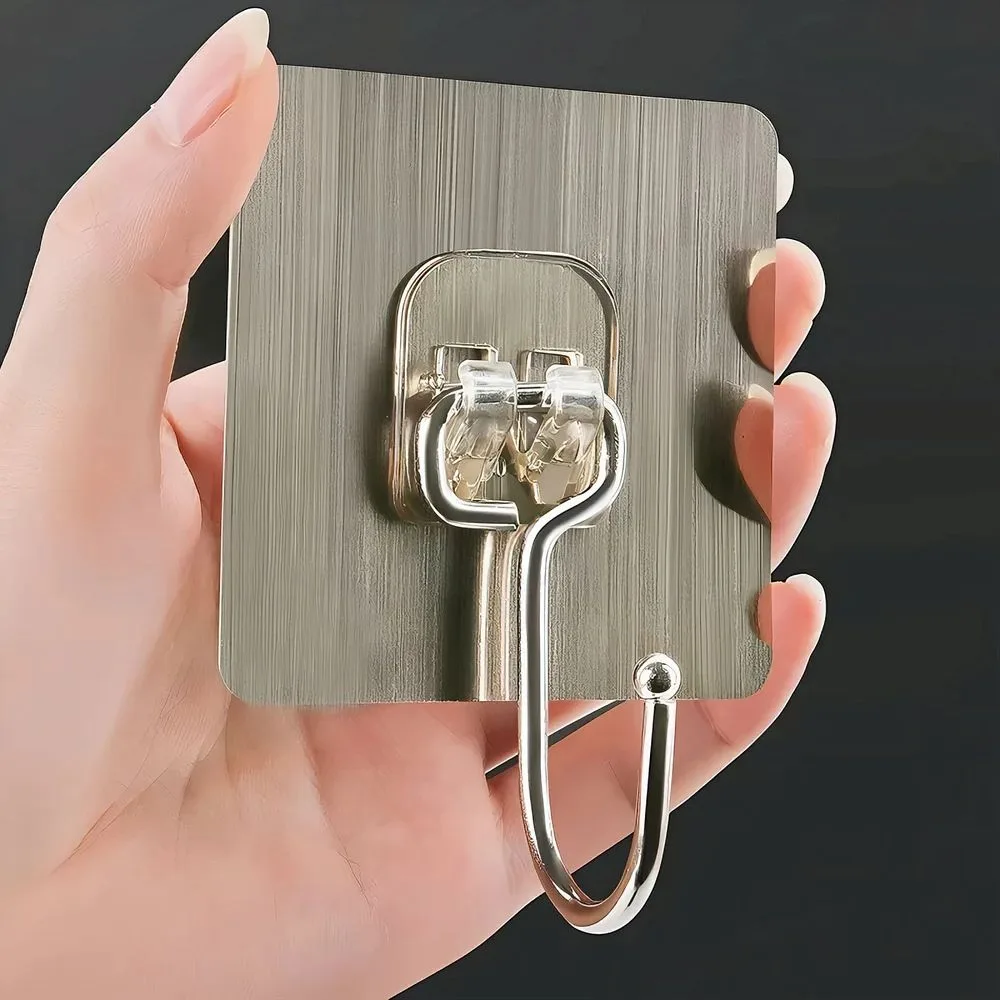
Image source: Bing (Web (fair-use with source credit))
Adhesive hooks hold 5 to 10 pounds on smooth painted walls, per manufacturer weight ratings. That's enough for keys, a light tote, or a small hat. Keep heavier items off adhesive and use a freestanding piece instead.
- Leaning mirror instead of a hanging one
- Freestanding console or slim bookshelf as your anchor
- Adhesive peg rail rated for light items only
- Tension rod across a narrow alcove for a mini hanging rail
- Woven baskets on the floor for shoes and umbrellas
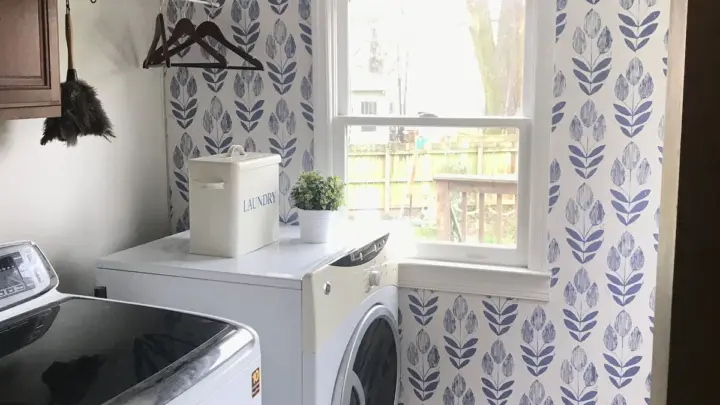
- Removable wallpaper strips if your lease allows and the wall is smooth
Budget tiers look like this. A bare-bones setup runs about $150 with a thrifted console, a round mirror, one dried stem, and a jute runner. A solid version lands near $400 with an oak peg rail, stoneware vase, and sheepskin.
An upgraded build reaches $900 with a solid-wood console and a lit sconce.
Patch and paint on move-out. That's the one thing renters forget. Small nail holes from picture hangers are easy.
Adhesive residue is easier. Both take minutes to fix.
Scandi Boho vs. Japandi vs. Coastal Boho: Which Fits Your Space
Japandi is Scandi plus Japanese wabi-sabi. Fewer textures, more austerity, and darker wood accents. Coastal boho swaps earth tones for pale blues, whites, and driftwood.
Scandi boho sits between them: warmer than Japandi, earthier than coastal.
Use this comparison to pick your lane.
| Style | Palette | Texture Level | Best For |
|---|---|---|---|
| Scandi boho | Warm white, clay, terracotta | Medium (3 max) | Warmth in a cool home |
| Japandi | Charcoal, oat, black | Low (1 to 2) | Minimalists who want calm |
| Coastal boho | White, sand, soft blue | Medium to high | Beach houses, bright rooms |
| Pure Scandi | White, grey, pale wood | Low | Modern, cool-toned homes |
| Pure boho | Earth tones, jewel accents | High | Larger rooms only |
Which is best for a small foyer? Scandi boho, honestly. Japandi can feel cold in a windowless entry.
Coastal boho needs natural light to work, otherwise the blues go grey. Pure boho overwhelms a tight footprint.
If your foyer faces north with no windows, lean Japandi. The darker palette hides shadows. If you have a bright south-facing entry with morning sun, coastal boho shines.
For everything in between, Scandi boho is the safest bet.
FAQs
What size console fits a small foyer?
A console 10 to 14 inches deep and 28 to 32 inches tall fits most small foyers. Cap the width at your wall minus six inches. Anything deeper than 14 inches eats your walk path and makes the entry feel tight.
Do I need a rug in a small foyer?
Not always. A runner adds warmth, but it can shrink a really tight space. If your foyer is under 4 feet wide, skip the rug.
If it's wider, choose a 2×6 runner in jute or flatweave and center it.
How do I style a Scandi boho foyer on a budget?
Start with one anchor (console, bench, or shelf). Add a round mirror, one dried stem in a stoneware vase, and a woven basket. A $150 setup covers all four.
Thrifted and secondhand pieces keep the cost down without losing the look.
Can I do Scandi boho in a rental?
Yes. Use a leaning mirror, a freestanding console, adhesive hooks rated for 5 to 10 pounds, and tension rods. Patch and paint small holes on move-out.
Avoid drilling into plaster or tile, which is hard to repair.
What color palette works best for a small entry?
Warm white, oatmeal, and sand as your base. Add one accent from terracotta, clay, or muted sage. Wood tones should be light oak, ash, or birch.
Avoid cool greys, which look colder in small windowless foyers.

Similar Posts